Sportxia

Category: How To Guide

  • Is Using an Apparel Sourcing Agent Worth It?

    Is Using an Apparel Sourcing Agent Worth It?

    SPORTXIA
    Inquire Now
    HOW TO GUIDE

    Is Using an Apparel Sourcing Agent Worth It?

    Compare agent fees, technical oversight and the factory-direct route. Pay for work that reduces your production risk—and check who actually performs it.
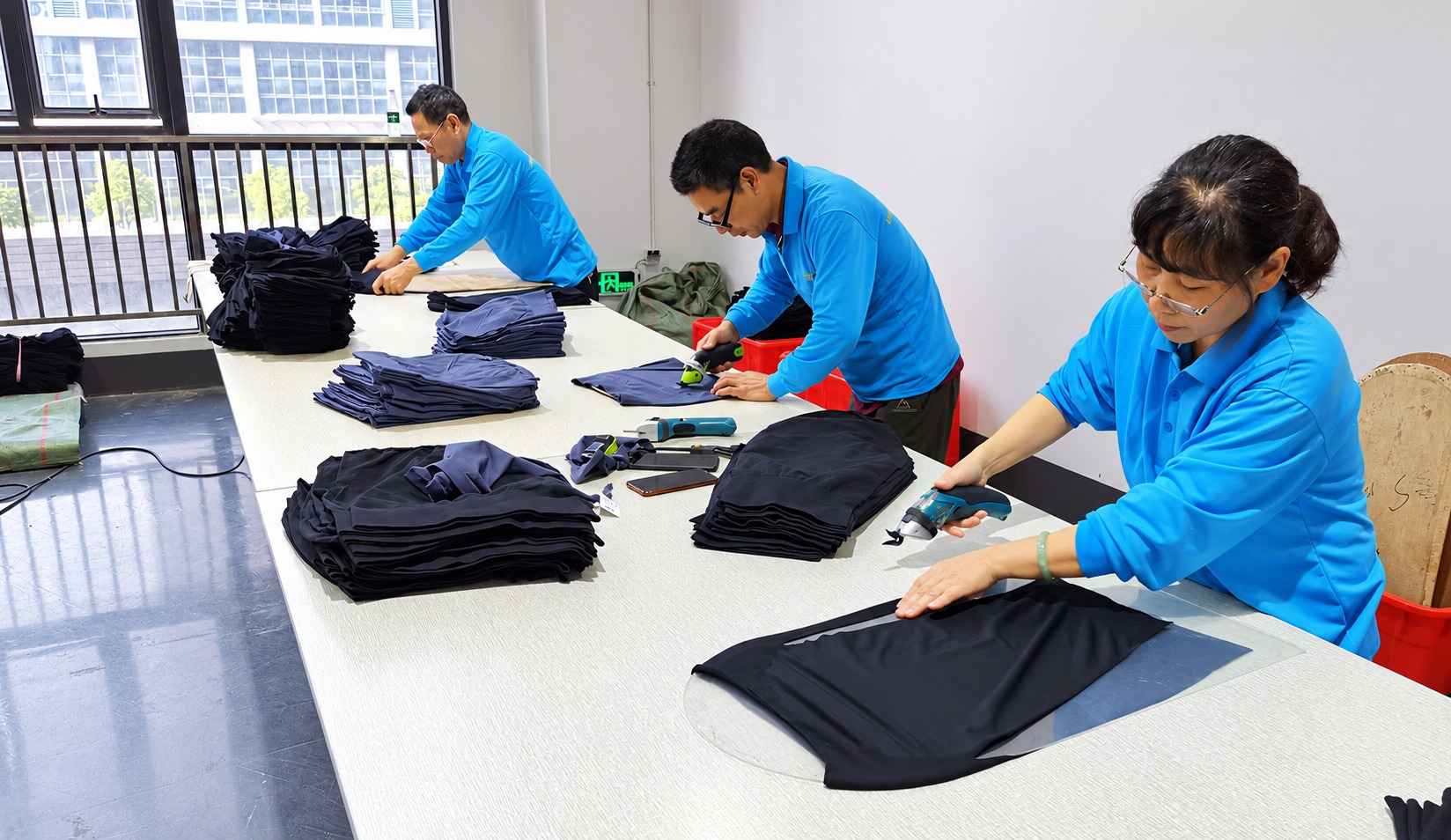
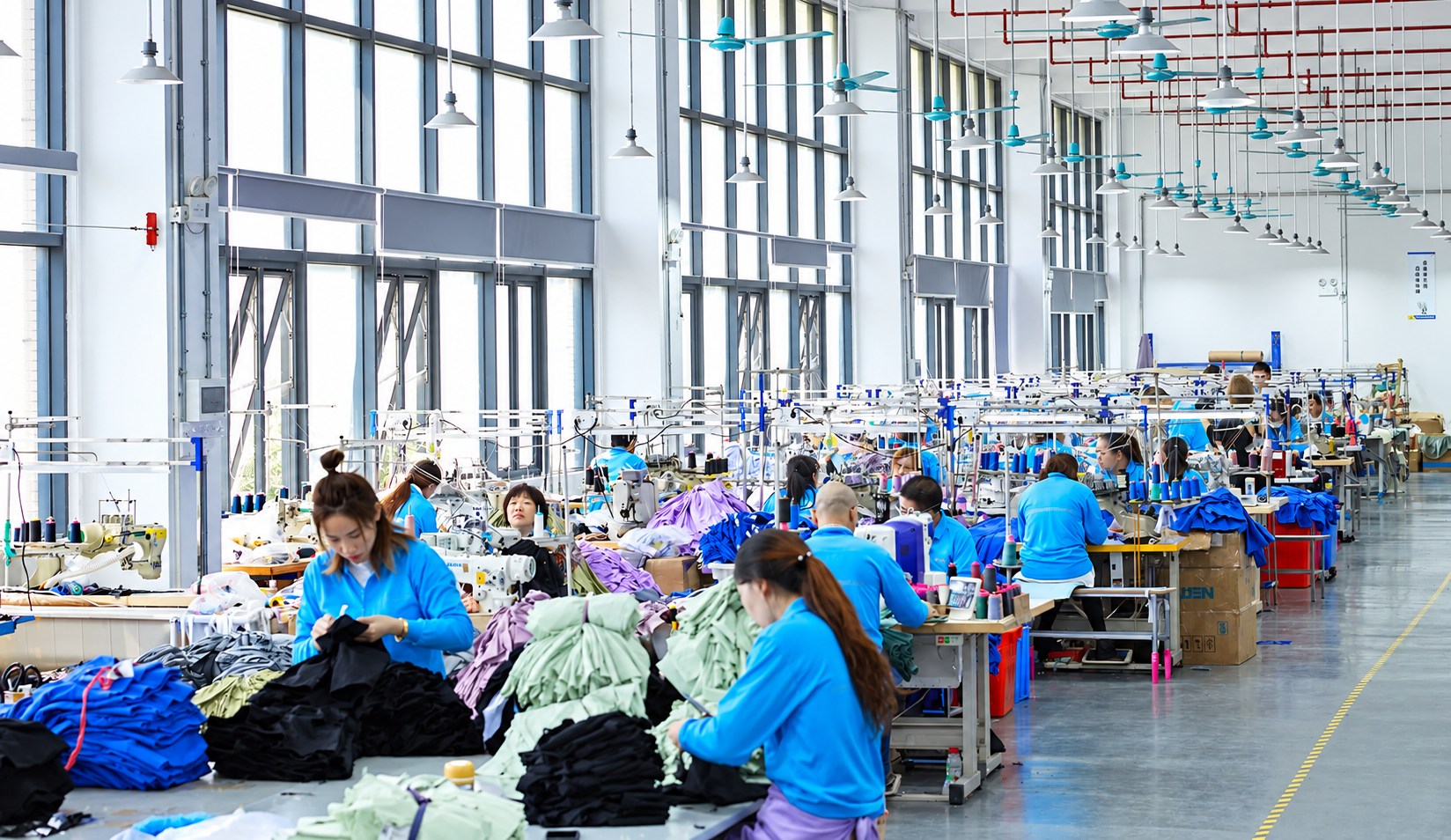
    Sportxia real factory photograph: garment inspection team checking finished sportswear

    An apparel sourcing agent is worth the fee when they close a capability gap you cannot manage yourself. That could mean verifying a factory, controlling technical approvals or coordinating several suppliers. When a capable manufacturer already performs those tasks, an additional agent can duplicate the same work. Decide from the deliverables, rather than assuming every intermediary is essential or every factory can replace one.

    Sportxia has encountered leggings whose seams failed after 20 washes because stitch tension and seam performance were not adequately controlled. An agent who catches that problem during production creates value. One who only forwards the factory’s messages does not. Also investigate undisclosed commissions: a 10–15% supplier-paid kickback is a risk scenario worth checking, not an automatic feature of every agent.

    Key Takeaways

    • Price the actual scope. Compare a disclosed 3–10% commission, project fee or retainer. Ask who pays the agent and whether any supplier rebates are retained.
    • Specify the delivery term. FOB, CIF and DDP allocate different costs and risks. A DDP quotation can simplify delivery budgeting only when the destination, importer arrangements, taxes and exclusions are clearly agreed.
    • Inspect while correction is still possible. Combine inline checks with a defined final sampling plan. An AQL 2.5 value alone does not define the entire inspection.
    • Verify the evidence. Check facility identity, certificate scope, dates and corrective actions. WRAP certification and SMETA audit reporting serve different purposes.
    • Ask where small orders will run. For orders below 300 units, verify capacity, approved subcontracting and material availability rather than accepting a low MOQ on its own.
    • Trace the claimed material. Where a certification scheme requires a transaction certificate, connect it to the relevant shipment and invoice—not just a generic company PDF.

    Start with the factory-floor warning signs and verification checklist if your immediate decision is whether to approve a supplier.

    What Should an Apparel Sourcing Agent Do? Define the Scope

    Finding a list of factories is only the beginning. A useful sourcing partner turns the brief into an executable production plan and follows it until delivery. Ask for named owners, documents and approval gates for each service; a broad promise to “handle everything” is difficult to assess or price.

    • Manufacturing advice and vendor selection: match the construction to demonstrated equipment and operator skill. Seamless knitting on a Santoni-type system is a different production route from cut-and-sew garment manufacturing. A machine list does not replace a relevant sample.
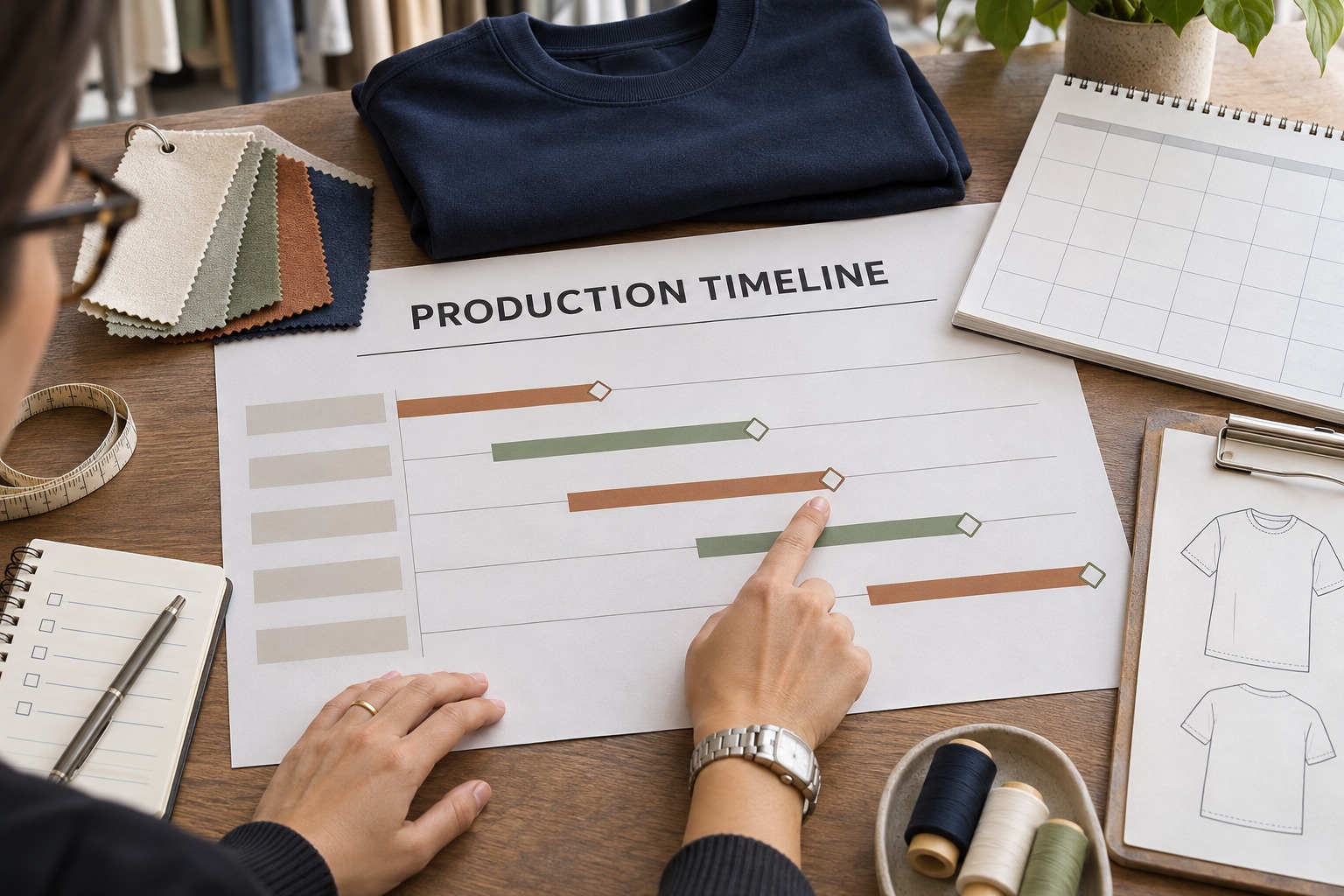
    • Production management: maintain the critical path, schedule the pre-production meeting, obtain approval decisions and report delays while there is still time to act.
    • Overseas procurement and coordination: compare equivalent quotations, track fabric and trim readiness, and arrange the agreed logistics handover. A low garment price is unhelpful if the correct zippers arrive after cutting should have begun.

    The Apparel Workflow: Where Activewear Can Fail

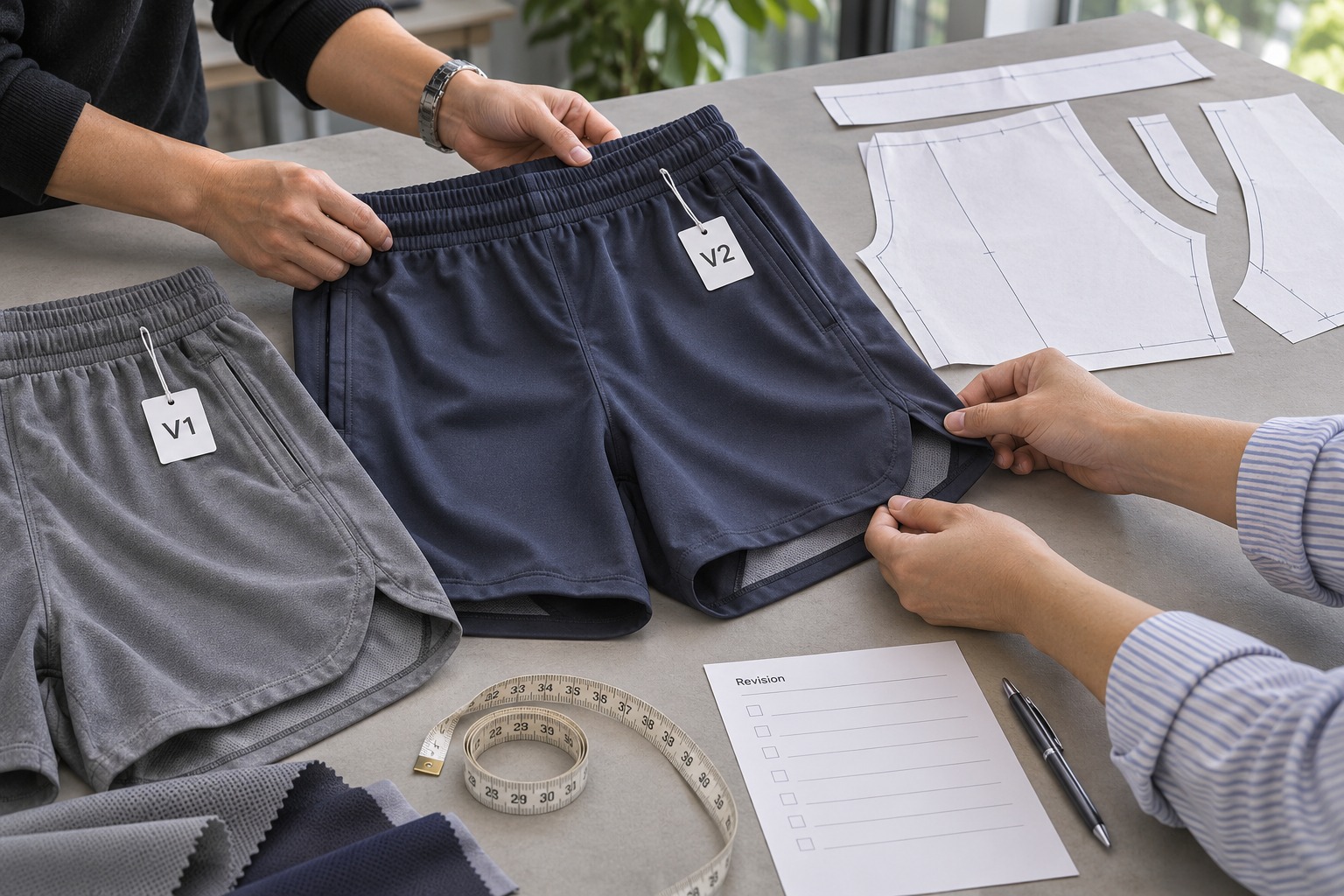
    Sportswear workflow: tech pack, fabric and trims, PP approval and inline quality control

    Performance clothing combines stretch, recovery, finishing chemistry and construction under load. A comfortable hand feel does not establish squat coverage, wash durability or seam strength. The agent’s contribution should be visible at the following three approval points.

    Tech-Pack Development: The Technical Agreement

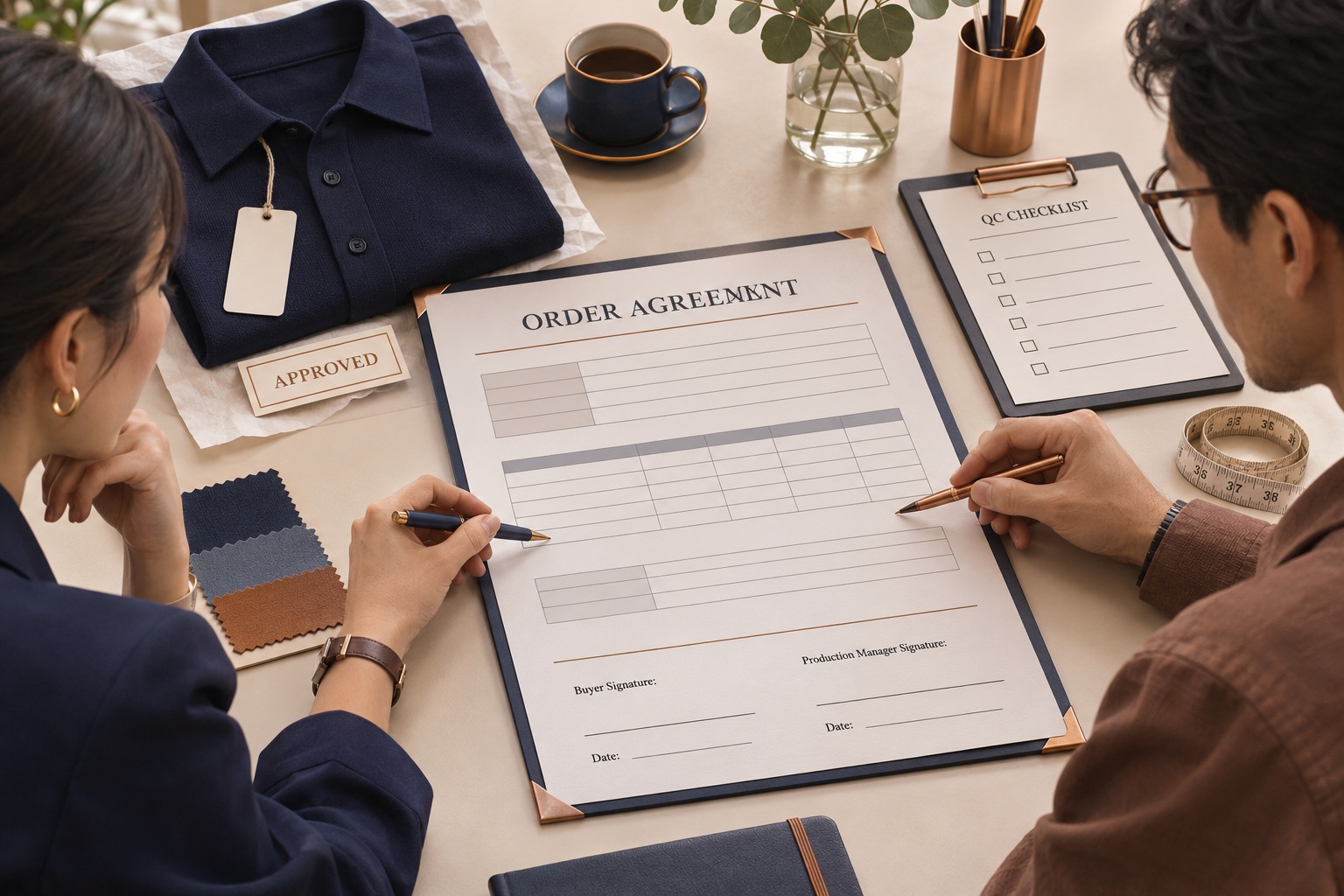
    Make the controlled tech pack part of the agreed order specification. It is not automatically a legal contract merely because it exists; identify the approved version in the purchase order or manufacturing agreement. A reference photograph cannot specify the engineering behind a garment, and it should not become an instruction to copy another brand’s protected design.

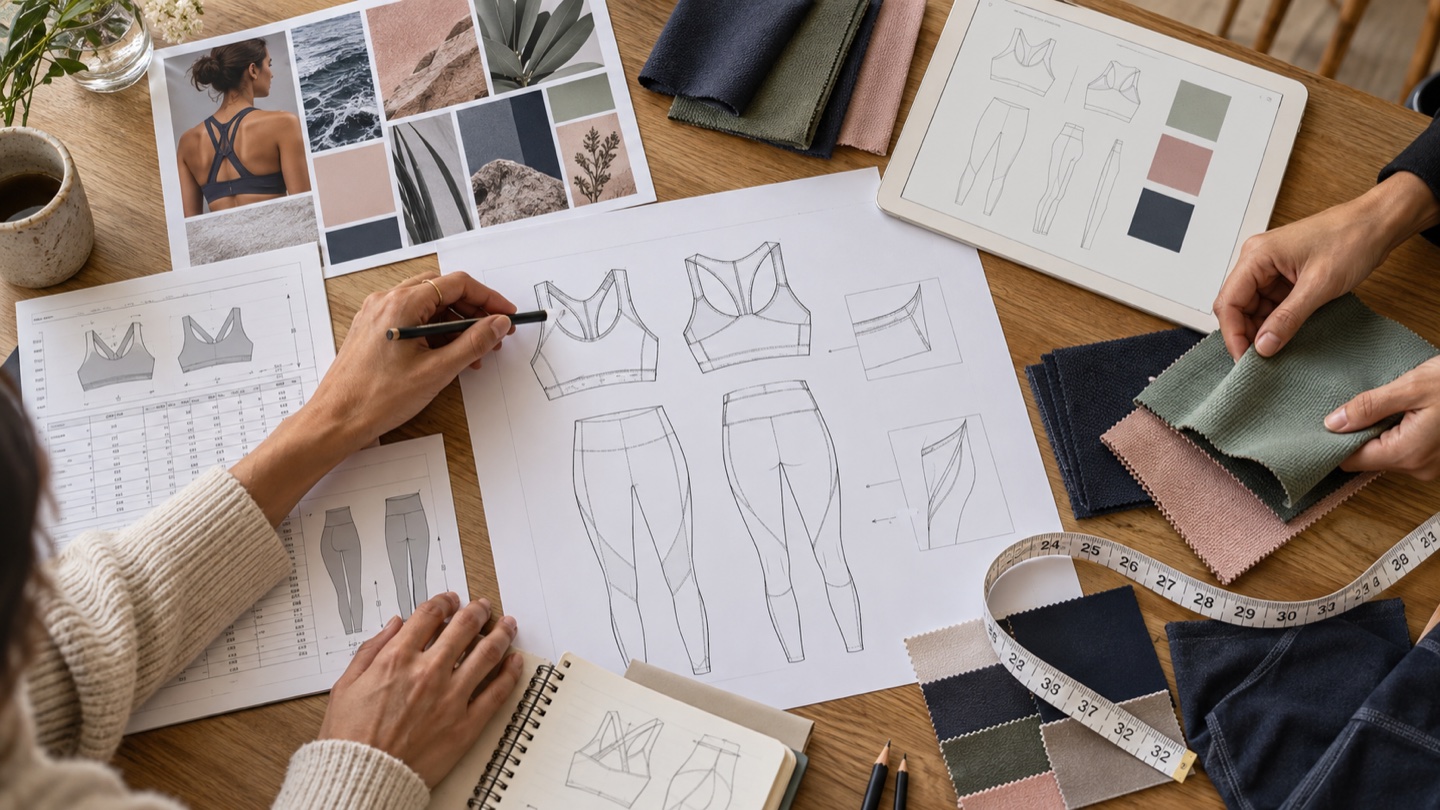
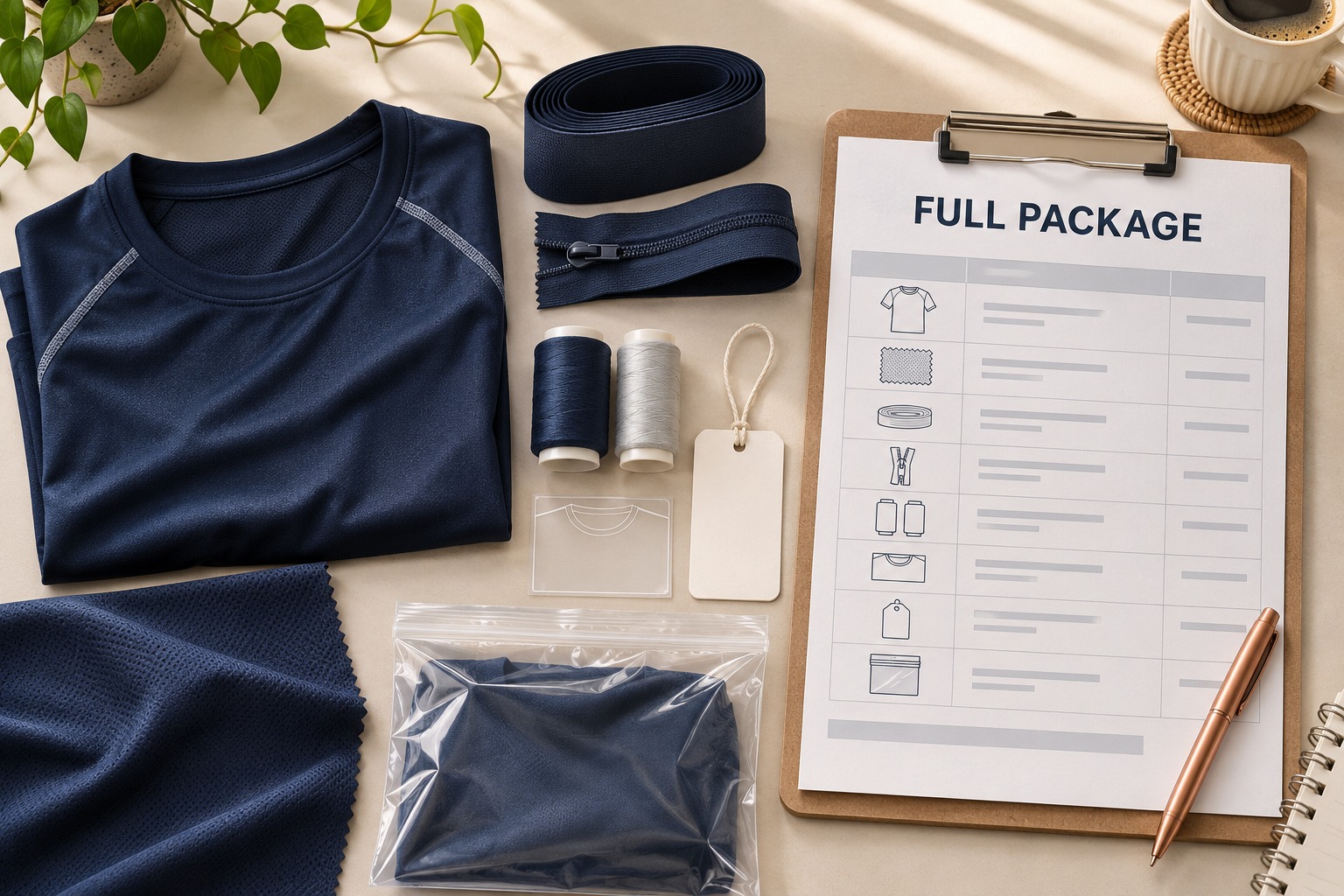
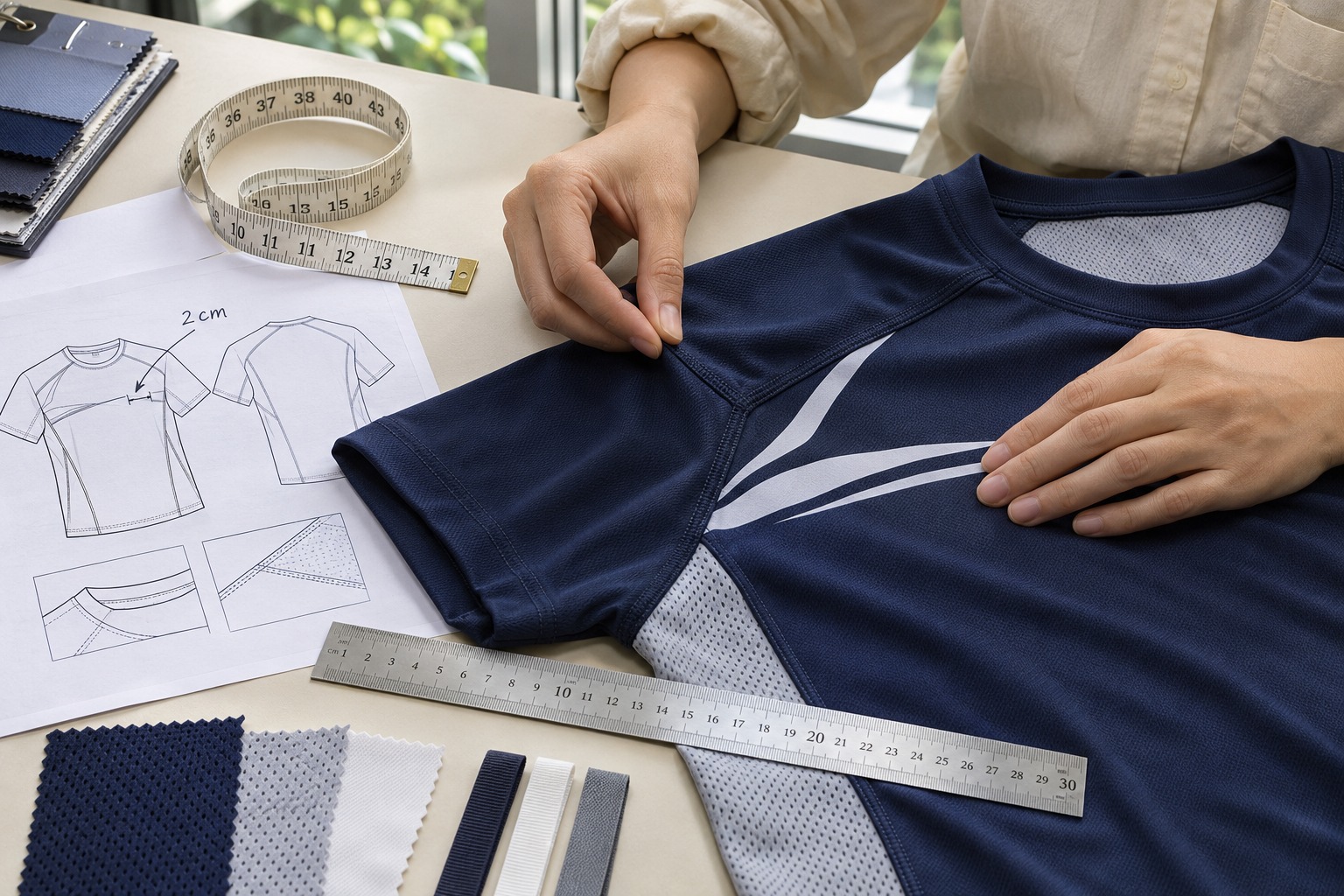
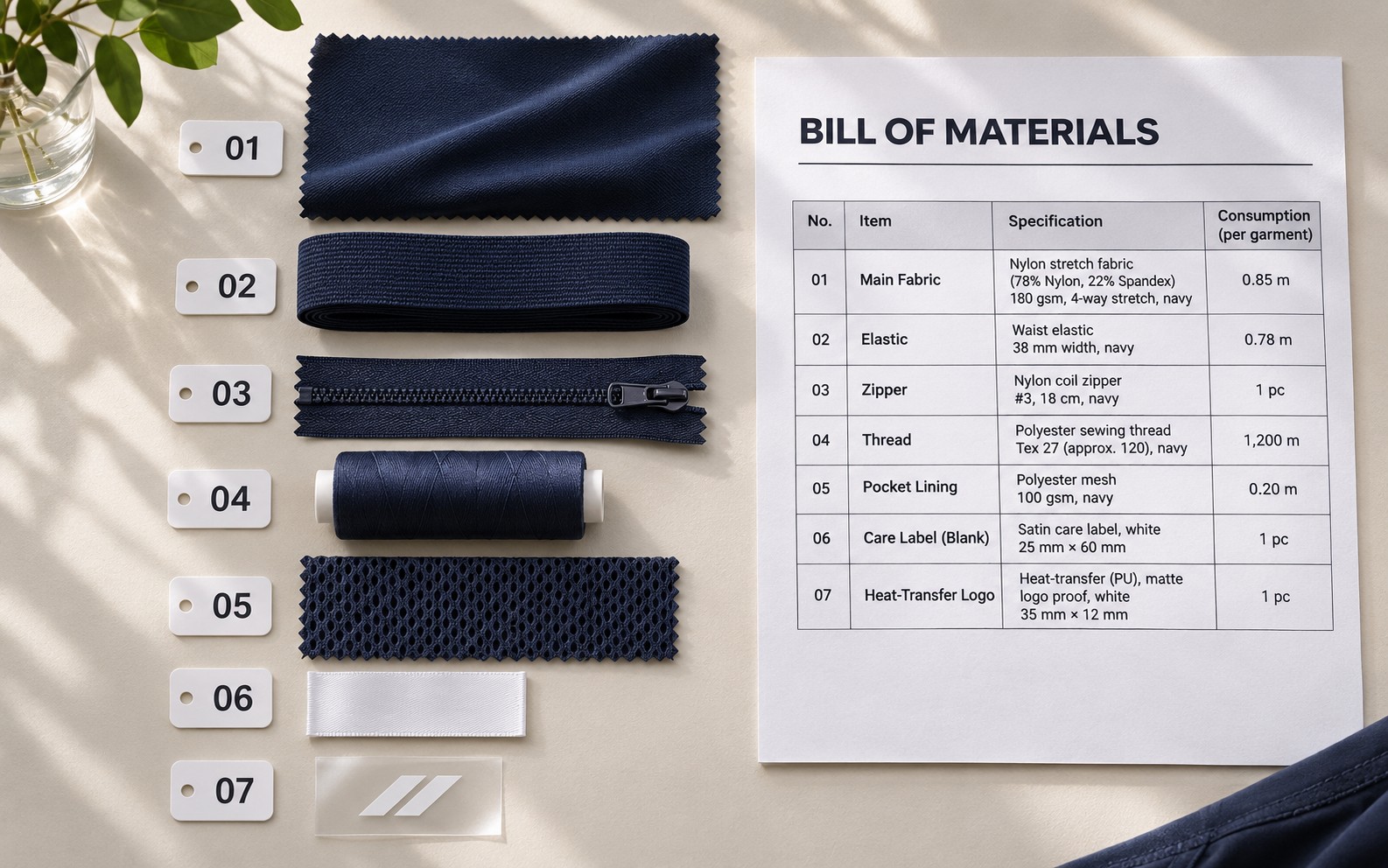
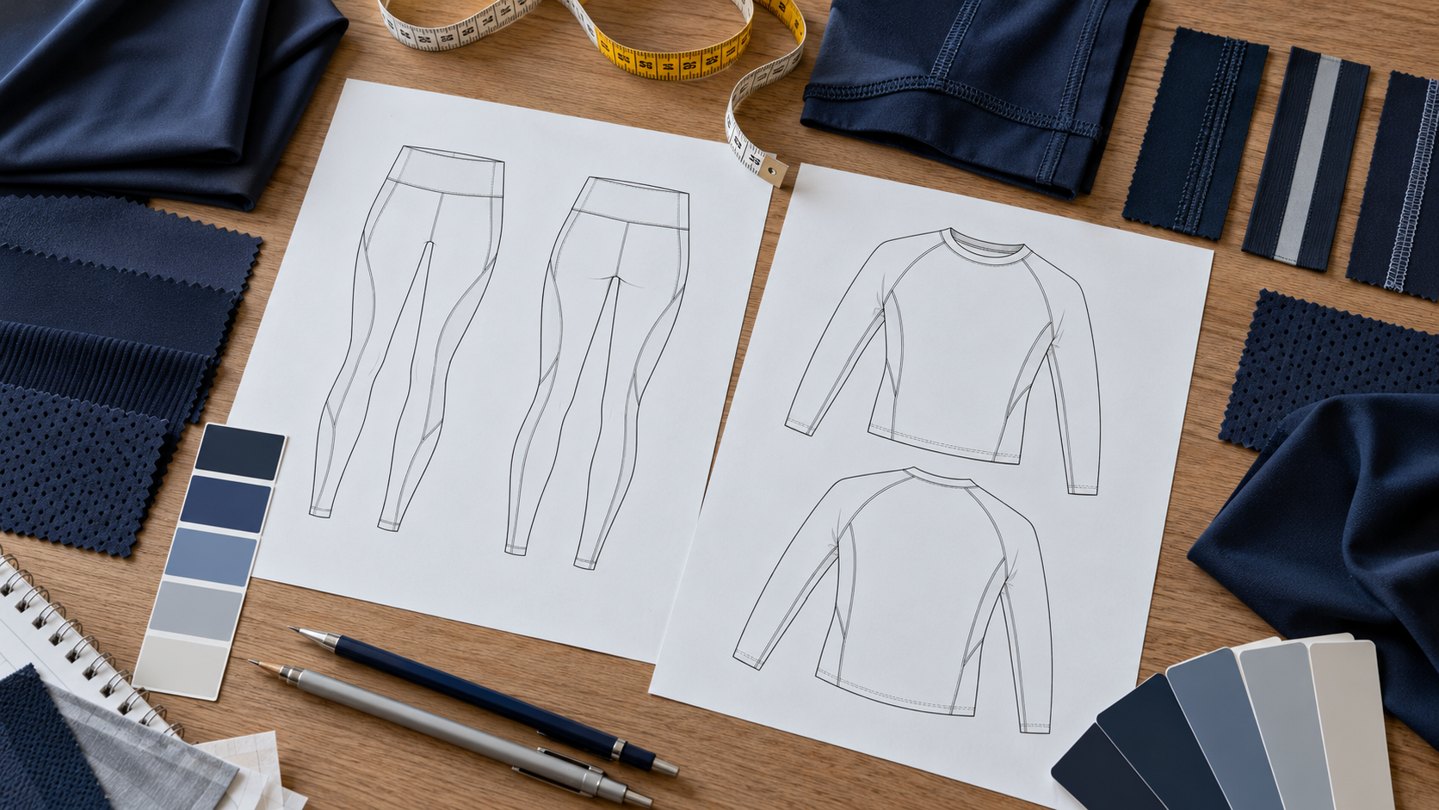
    • Technical flats and BOM: show front, back and seam details, then list fabric, thread, labels, elastic and every trim.
    • Grading: define how measurements change through the size range. A good base-size fit does not establish coverage or compression in larger sizes.
    • Material behaviour: specify composition, knit structure, GSM, stretch and recovery requirements. Fabric weight alone does not prove opacity.
    • Performance acceptance: agree squat-opacity conditions, pilling, colourfastness to perspiration and relevant wash or seam tests before ordering.

    Use our sportswear tech-pack guide to prepare the specification and assign technical development separately from supplier search.

    Fabric and Trims: Prevent Substitution

    Do not let a promising sample become permission to use an unspecified bulk fabric. The approved swatch, supplier reference, composition, finish and test requirements should travel together. Keep a signed master sample and a change log so any proposed substitution is reviewed before production.

    • Lab dips: review colour under agreed lighting, such as D65 and TL84, rather than relying on a phone photograph.
    • Strike-offs: approve print alignment, colour, coverage and penetration on the intended substrate. Match the printing method to the fabric.
    • Bulk comparison: compare incoming material with the controlled reference and investigate differences before cutting. A generic sustainability certificate does not identify the actual roll used.

    PP Sample and Pre-Production Meeting

    Approve the pre-production sample in the intended bulk material and trims before releasing cutting. Record agreed tolerances, seam settings, decoration, needle control and packaging specifications. Retain the approved reference at both sides of the transaction. If the agent will attend the PP meeting, specify what report and open-issue list you will receive afterward.

    Our sampling-stage timeline explains how prototype, fit, size-set and PP approvals serve different decisions.

    How Apparel Sourcing Agents Charge: Follow the Incentives
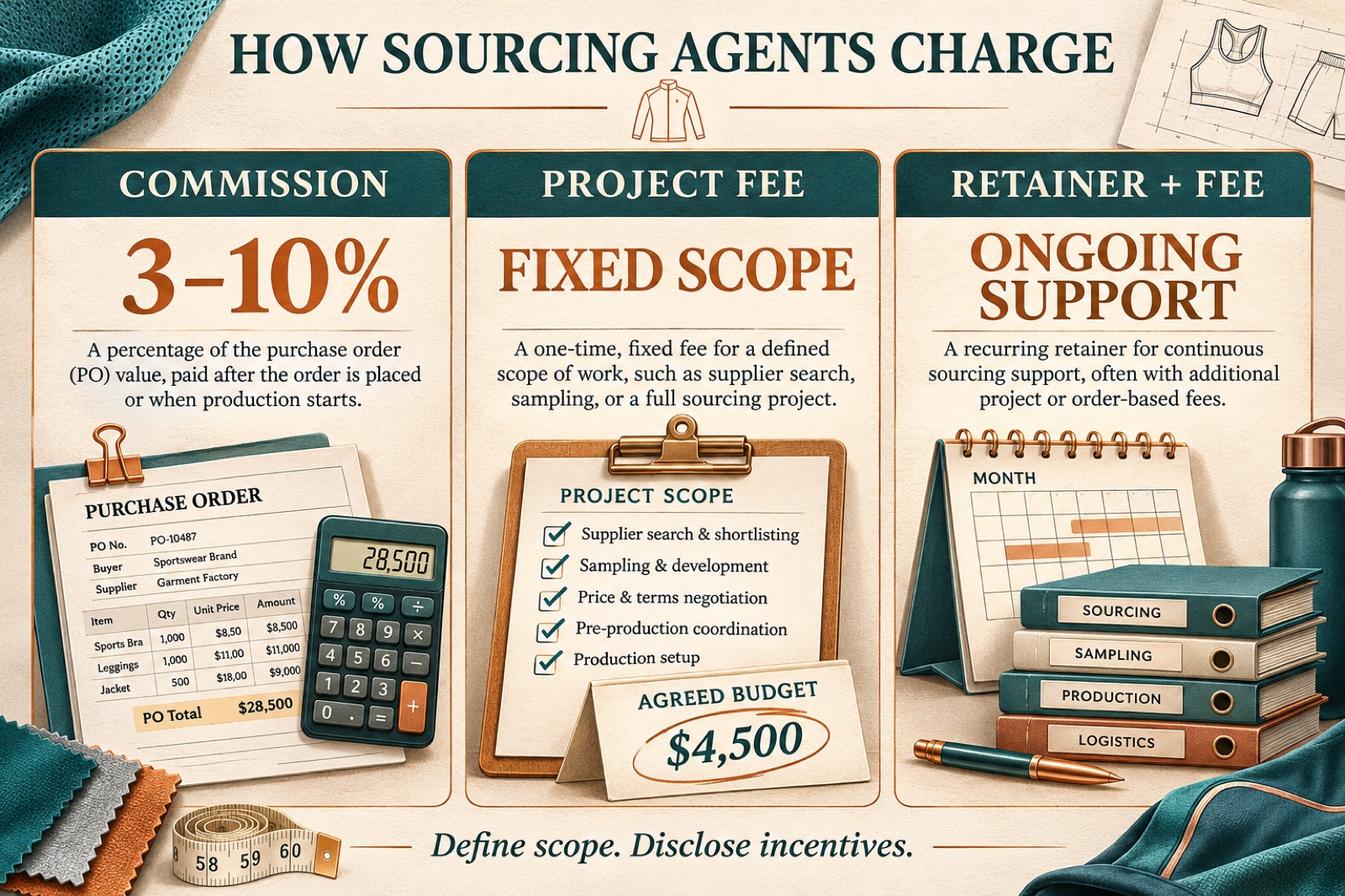
    Three sourcing-agent fee models: 3–10% commission, fixed project scope and ongoing retainer

    The figures and payment timing pictured in this illustration are examples, not a Sportxia fee schedule.

    Three common fee structures need different controls. The cheapest headline fee is not necessarily the lowest total cost.

    • Commission on order value: use 3–10% as a comparison range from the sourcing example, subject to the order and contracted work. Define whether the percentage applies to goods only, freight, repeat orders or other charges. A percentage can create an incentive to favour a larger order value; address that conflict through transparent comparisons and performance obligations.
    • Fixed project fee: agree a price for a defined shortlist, quotation exercise or development project. It can make budgeting clearer, but only if supplier checks, revisions and handover deliverables are specified. A fixed fee alone does not guarantee independence.
    • Retainer or hybrid: a monthly management fee, sometimes with a reduced commission, may suit several seasonal collections. Define availability, reporting frequency and what additional work costs.

    A “free sourcing” offer deserves a direct question: Who pays you, and what do you receive from the supplier? A supplier-funded fee can be disclosed and agreed. Hidden 10–15% payments undermine price comparison; their existence cannot be established from a low quoted fee alone. Likewise, a commission below 3% is a reason to clarify scope and incentives, not proof of misconduct.

    Calculate a simple break-even test: measurable savings + the value of work avoided + risk reduction you can reasonably support − the agent’s total fee. Do not count promised defect savings as cash already earned. Ask whether independent inspection can be purchased separately at a lower cost.

    Incoterms in Practice: FOB versus CIF

    Cost allocation and risk transfer are different questions. Use the ICC Incoterms guidance and write the named port or place plus the applicable edition into the order. A term alone does not set payment, ownership or all contractual remedies.

    The Two Sea-Freight Terms to Understand

    • FOB: the seller delivers the goods on board the vessel at the named shipment port; the buyer arranges the main carriage. It gives a buyer with logistics support control over carrier selection and transport costs.
    • CIF: the seller pays carriage and the required insurance to the named destination port, but risk transfers when the goods are on board at origin. Paid freight is not the same as seller risk through arrival. Compare destination charges and insurance cover rather than assuming every CIF offer is poor value.

    FOB and CIF are for sea or inland-waterway transport. For containers handed to a carrier at a terminal, or multimodal movements, discuss FCA, CPT or CIP as appropriate. The ICC selection checklist distinguishes these handover points.

    The Hidden 5–10%: Check the Missing Lines

    An omitted-charge allowance of 5–10%, or even an overrun above 10%, is a budgeting scenario—not an automatic surcharge created by an Incoterm. Make each relevant cost visible:

    • Destination handling: identify local port and terminal charges, including DTHC where applicable.
    • Customs clearance: confirm brokerage, importer responsibilities and required documents.
    • Chargeable volume: compare carton dimensions as well as weight. Compression or vacuum packing may reduce volume, but approve its effect on garment presentation and materials before use.
    • Classification and duty: establish the correct HS classification, origin and destination rules. Consolidating freight can save handling; it does not justify choosing an incorrect tariff code.

    Landed Cost Example: Run the Full Calculation

    A $10.00 factory unit price is not a delivered unit cost. Keep the following example as a worked model, then replace each assumption with your actual quotation and customs treatment.

    Illustrative per-garment budget

    • Goods, FOB: $10.00
    • Agent commission, 10% of the goods price: $1.00
    • Sea freight: $1.50
    • Illustrative duty, 16% × ($10.00 + $1.50): $1.84
    • Inland trucking: $0.50
    • QC and contingency allowance: $0.50
    • Total: $15.34 per garment

    The 16% rate and goods-plus-freight duty base are assumptions for this calculation. The actual rate and customs value depend on the jurisdiction, classification, origin and treatment of charges such as commissions. Ask the broker to confirm before ordering.

    Removing only the $1.00 commission gives $14.34 in the same simplified model—about 6.5% less than $15.34. It is a valid saving only if the remaining partner provides equivalent work without replacement charges or extra losses. For 1,000 garments, the agent therefore needs to justify a $1,000 fee through defined services and credible value, rather than a general promise to “get a better price.”

    FOB versus DDP: compare responsibility as well as price
    FOB versus DDP: compare responsibility as well as price
    ComponentFOB: buyer arranges main carriageDDP: seller delivers to named place
    Risk handoverOn board the vessel at the named origin portAt destination, import-cleared and ready for unloading
    CoordinationBuyer manages freight, import clearance and onward movementSeller arranges carriage and import formalities; validate importer feasibility
    Price claritySeveral quotations and variable charges to consolidateOne agreed delivery scope; check taxes, unloading and exclusions

    DDP can simplify a small brand’s budget when a lawful import arrangement and complete quotation are in place. Confirm the named delivery place, unloading, VAT/tax treatment, importer of record and exclusions. It does not guarantee that customs will never inspect or delay a shipment, and it is not suitable where the seller cannot perform the required import formalities.

    Quality Control That Matters in Activewear

    Final appearance checks cannot establish how a seam behaves during a squat or after repeated washing. Ask the agent to connect the approved product specification with incoming-material controls, inline checks and final release. The report should distinguish visual inspection from performance tests.

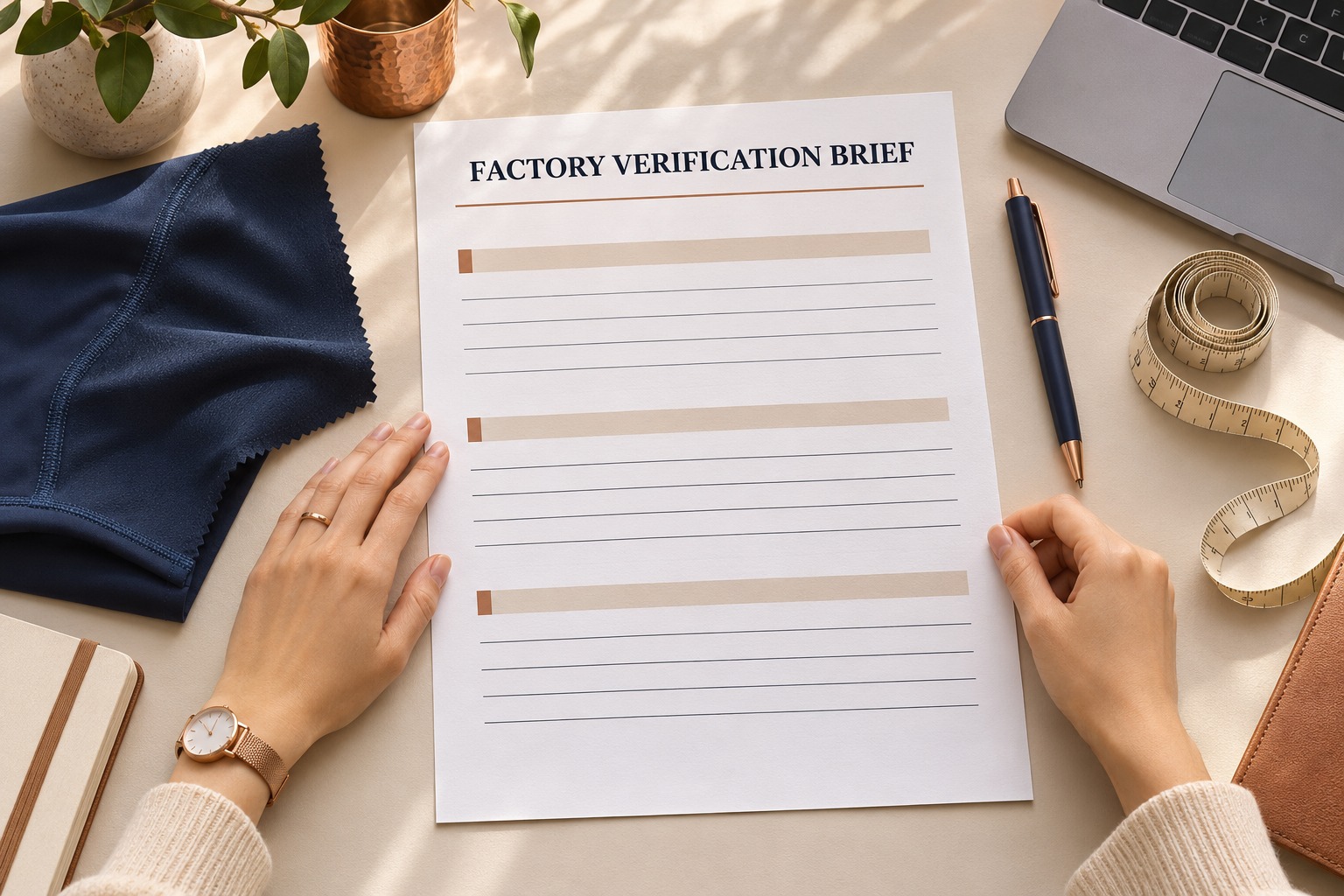
    1. Before booking: verify the production site, relevant machinery, skill, subcontracting arrangements and social-compliance evidence. Use our manufacturer-verification checklist for the supporting records.
    2. During production: an early checkpoint around 10–20% completion can expose stitch-density, thread-tension or assembly problems while correction is possible. Confirm that enough representative work is available; the exact timing should match the risk and production plan.
    3. Before shipment: check colour variation, measurement, twisting and agreed workmanship criteria. Shrinkage and wash durability need the relevant test procedure and conditioning—not a visual judgment of a packed garment.

    For an AQL 2.5 major-defect plan, agree lot size, inspection level, defect classes, sample size and acceptance/rejection criteria. The ISO 2859-1 sampling framework does not mean every accepted shipment is guaranteed to contain fewer than 2.5% defects.

    Keep broken-needle accounting, retrieval and detector checks in the safety plan. Detector suitability and challenge-piece sensitivity depend on the product and agreed protocol; sampling inspection does not certify needle-detector performance. Specify how unresolved critical safety findings stop release.

    Compliance and Certification Checklist

    A document is a starting point for verification. Match the legal entity, actual production site, scope, status and dates with the order. If a public search is inconclusive, contact the issuing body rather than treating a missing result as definitive proof of fraud.

    • WRAP: check the named facility and certification status through the official WRAP organisation. Social-compliance certification does not establish every product’s technical performance.
    • GOTS: verify the certified entity and product/process scope through Global Standards’ verification guidance. For a GOTS-certified supply, request the transaction evidence required for the actual shipment. Organic fibre content by itself does not establish finished-garment certification.
    • Sedex and SMETA: request access to the relevant site audit, findings and corrective-action report. Sedex states that membership and SMETA are not certifications and do not provide a simple pass/fail endorsement.

    Verify Scope, Not Just the Logo

    Check that the address and activities include the sewing floor used for your order. Match contracting and payment entities, and obtain a documented explanation for any legitimate difference. Trace the approved subcontractors. A certificate from another factory cannot be borrowed to cover an unlisted facility, and an audit is not proof that every production step remains unchanged afterward.

    The Sportxia Approach: Factory Access with Production Support
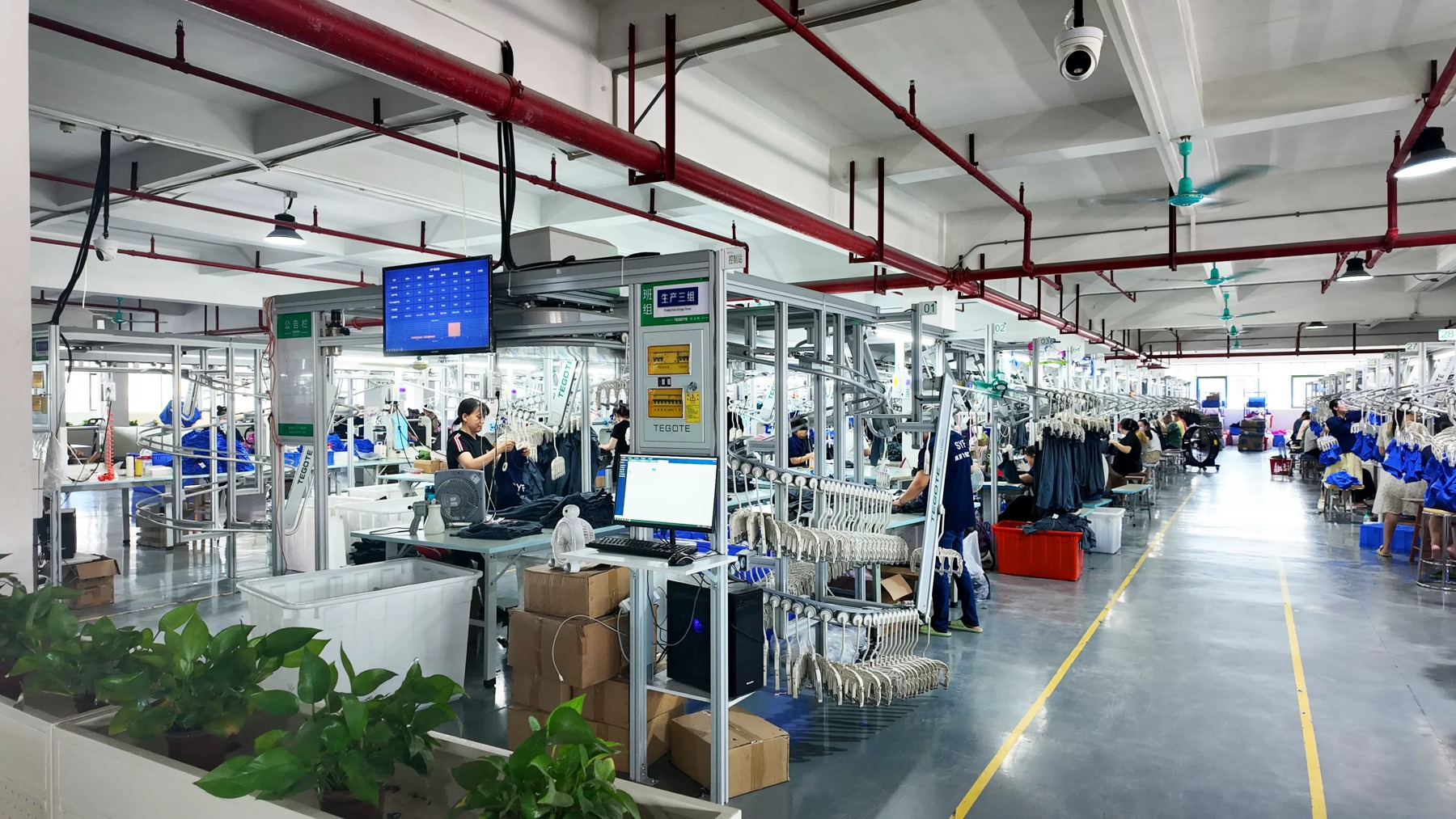
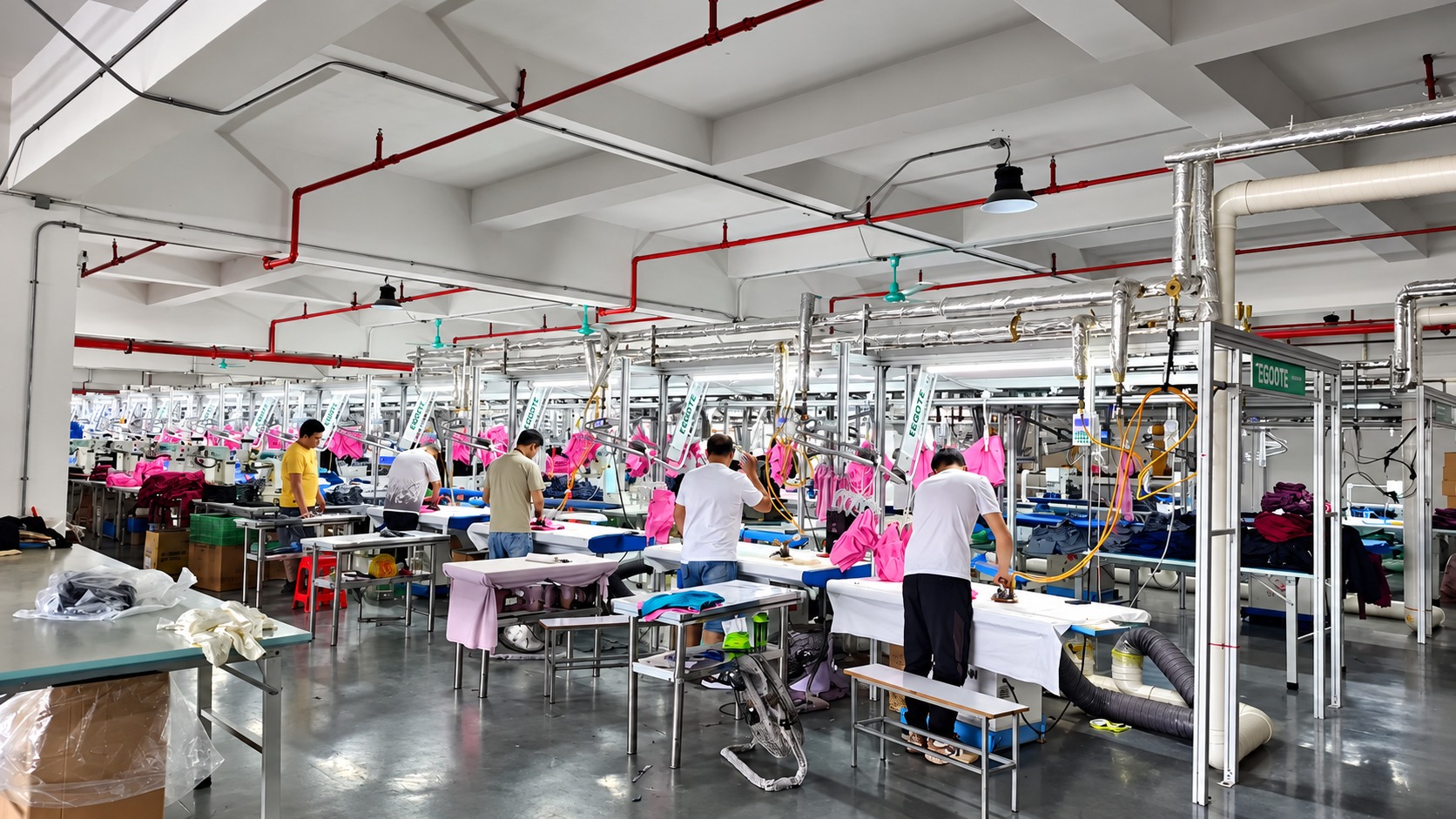
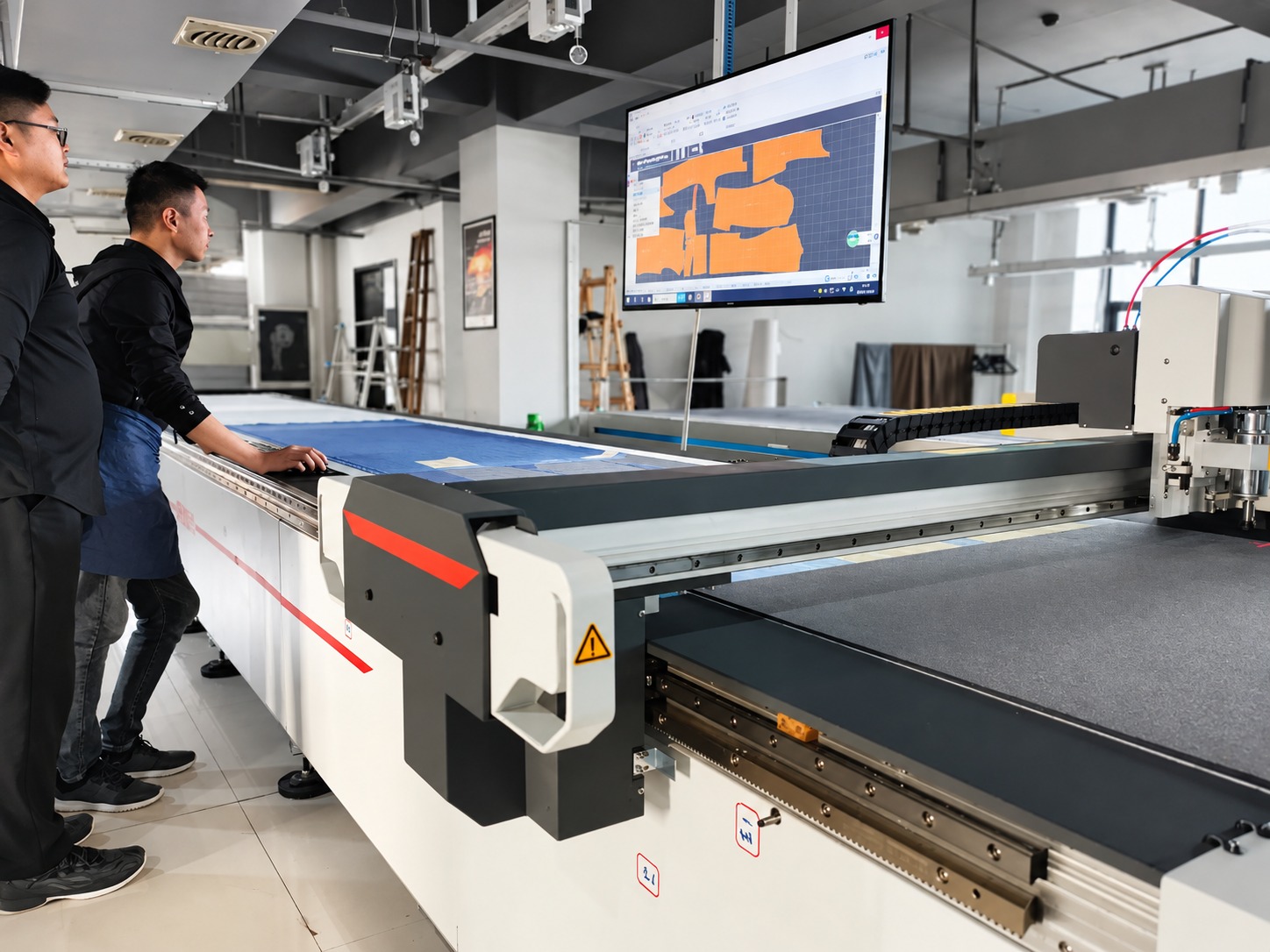
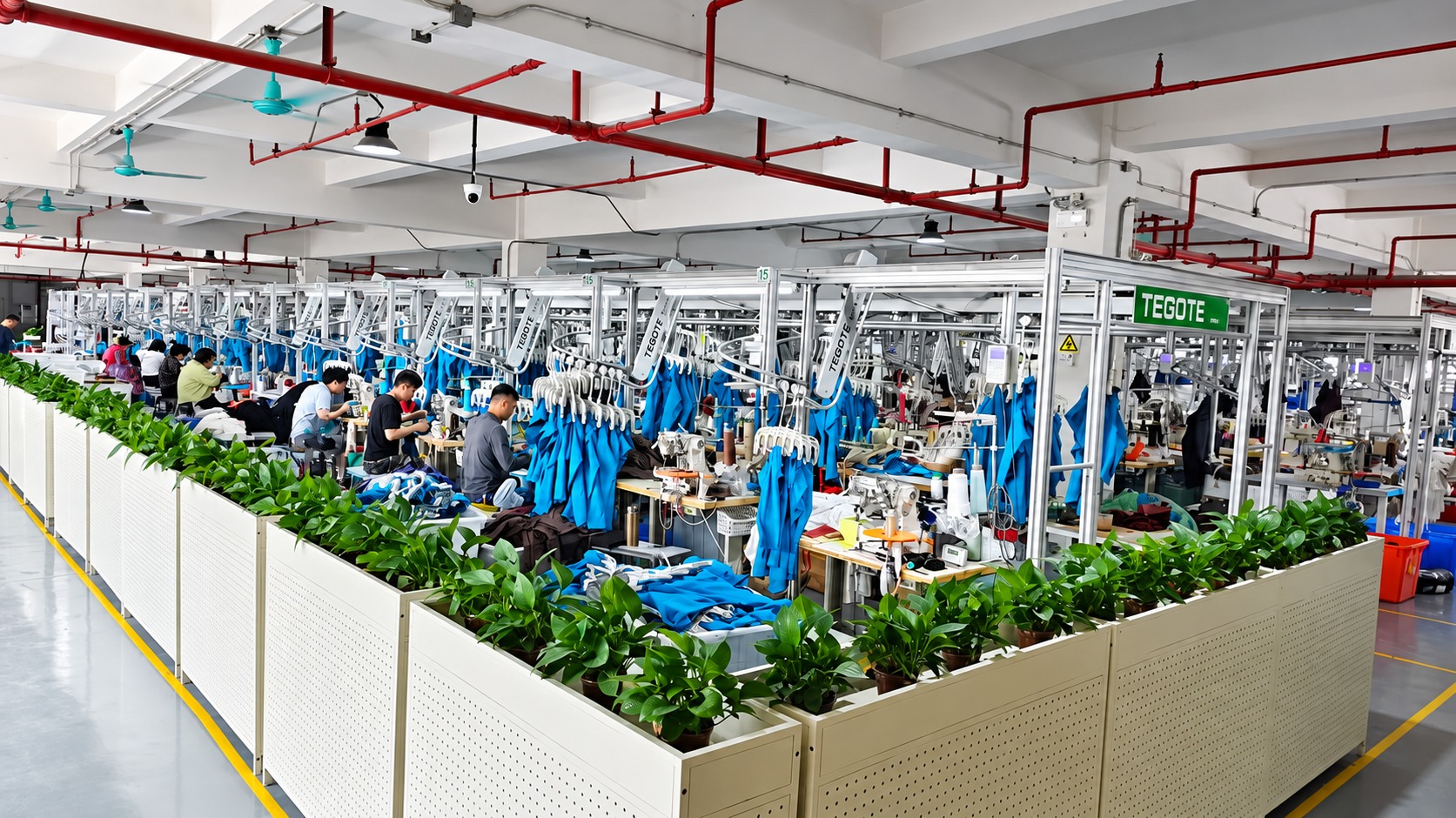
    Sportxia real factory photograph: garment production floor and hanging work-in-progress

    Sportxia combines its confirmed 16,000 m² Hangzhou manufacturing operation with development, production coordination and quality follow-up. Review the actual people, site and project responsibilities through our company and manufacturing background, then compare the service scope with an agent’s proposal.

    • Small-order options: standard custom production starts at 100 pieces; selected printed private-label programmes can start at 50 pieces. Fabric, colour, style and decoration requirements determine eligibility. These are not a promise of custom-developed fabric at the same minimum.
    • Direct technical follow-up: connect sample comments, approved references and inline findings with the team managing production. Independent buyer-appointed inspection can still be useful where your risk or retail requirements justify it.
    • Defined timing: confirmed planning ranges are 7–15 days for sampling and 15–30 days for bulk production, subject to material readiness, specification, quantity and approvals. Removing an intermediary does not remove those dependencies.

    A factory-direct relationship can remove duplicated commission and handoffs. It does not make an external agent automatically unnecessary: multi-factory coordination, buyer-side representation and specialist compliance support may still be separate services. Agree what is included in the quotation.

    For regional trade-offs, compare China versus Europe sportswear manufacturing. For the search and screening process, follow how to find sportswear manufacturers. Send Sportxia your brief to compare a factory-direct offer on the same scope.

    Five Situations Where the Standard Advice Needs Adjusting

    Across more than a decade of production work, the same low headline price has often concealed very different project risks. Match the partner model to what is actually missing: technical development, material access, coordination or evidence.

    1. The Audience-First Startup with No Tech Pack

    Situation: you have an audience and a concept, but no measurements, grading or material specification. Paying someone to find a factory will not resolve an undefined product.

    In Sportxia’s experience with this kind of incomplete brief, around 90% of guessed first samples have had fit problems. That is a reported experience, not a universal defect rate. In one anonymous project, the buyer spent six months searching and sampling; once the professional technical package was ready, an approved sample followed in 14 days. It illustrates the value of a complete brief, not a guaranteed lead time.

    Better route: hire a technical developer or define a full-package development service first. Pay for an agreed tech pack and BOM rather than a commission on goods that are still undefined. Our technical versus fashion designer comparison helps assign the right role.

    2. Low MOQ versus Fully Custom Fabric
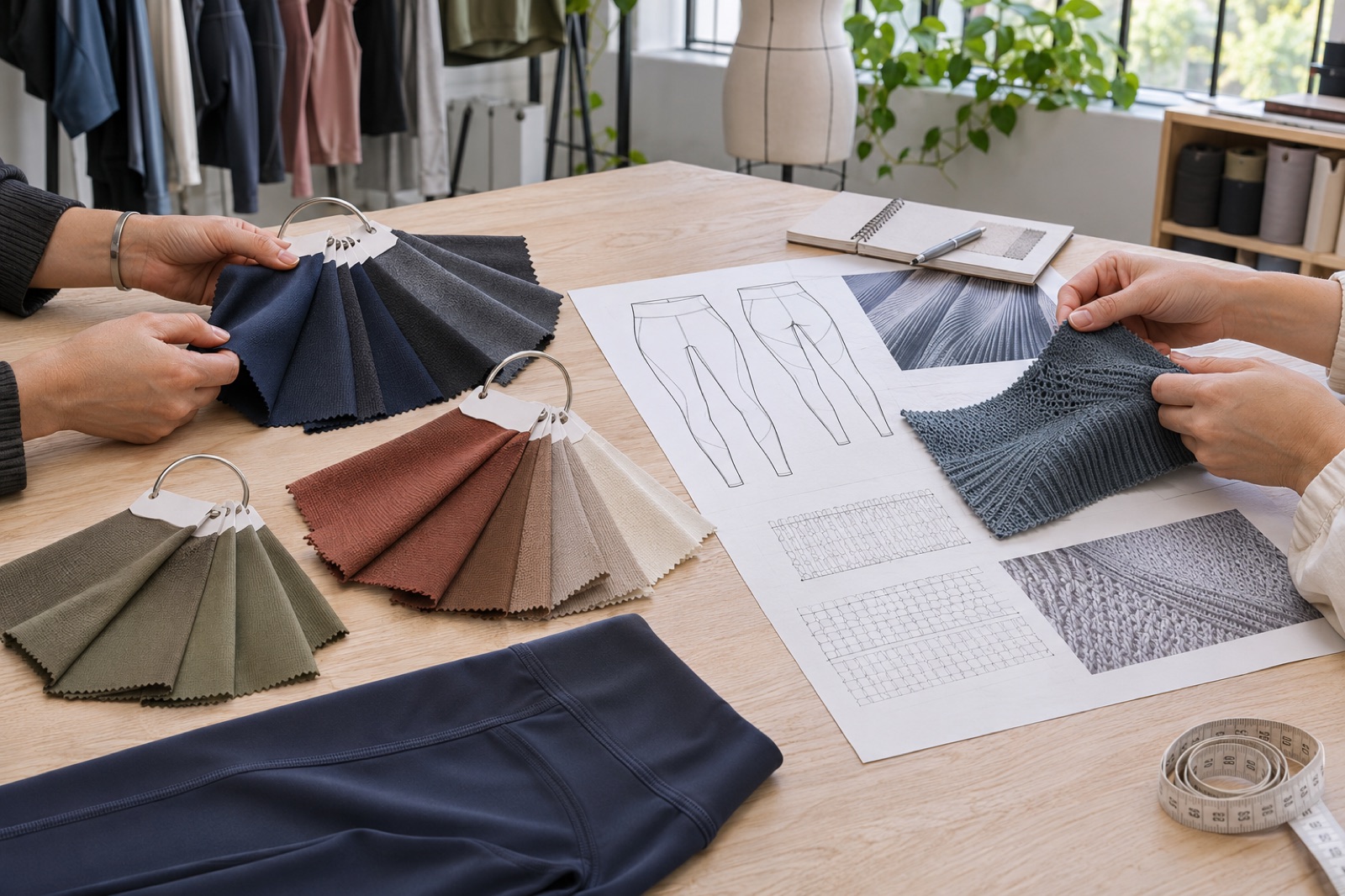
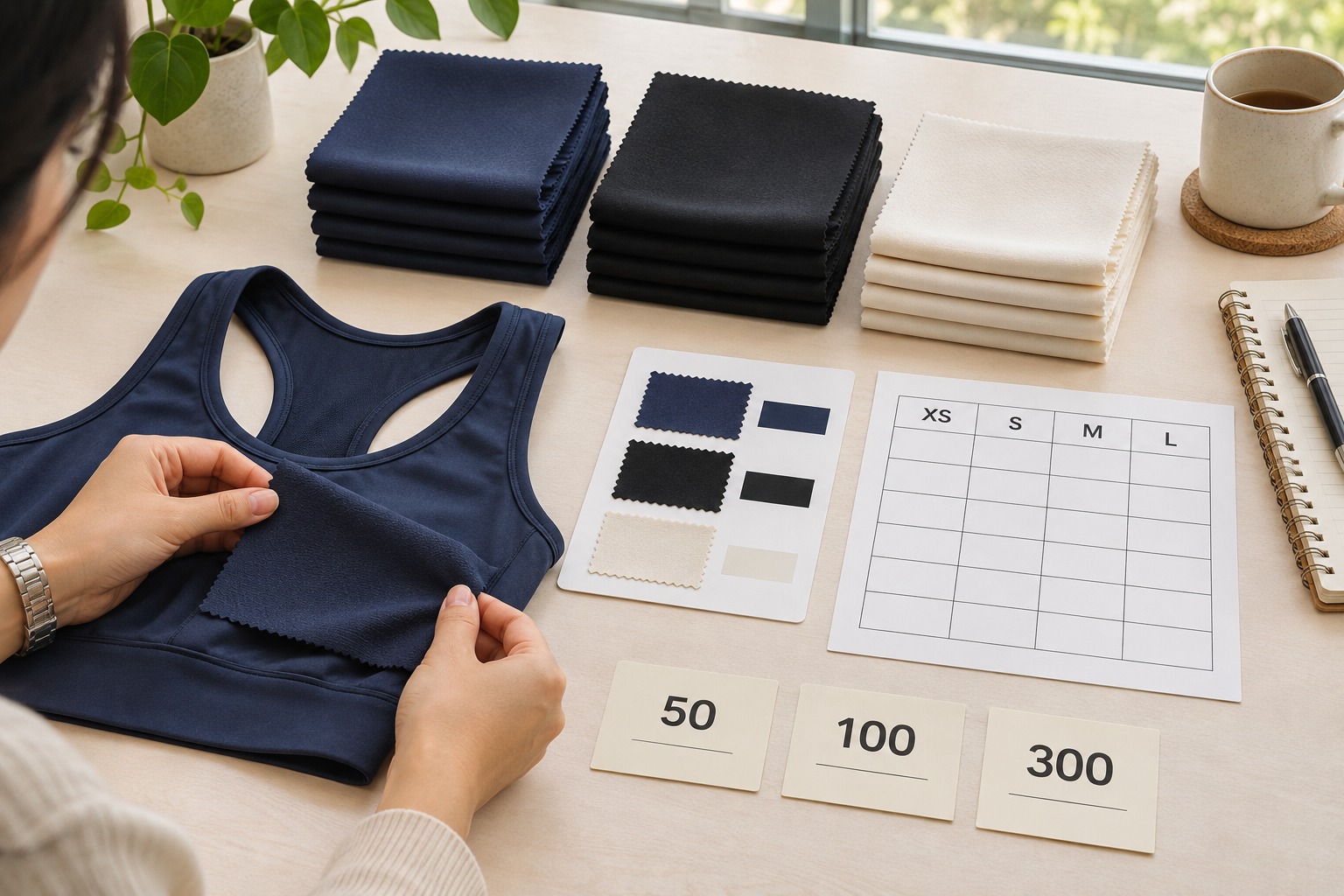
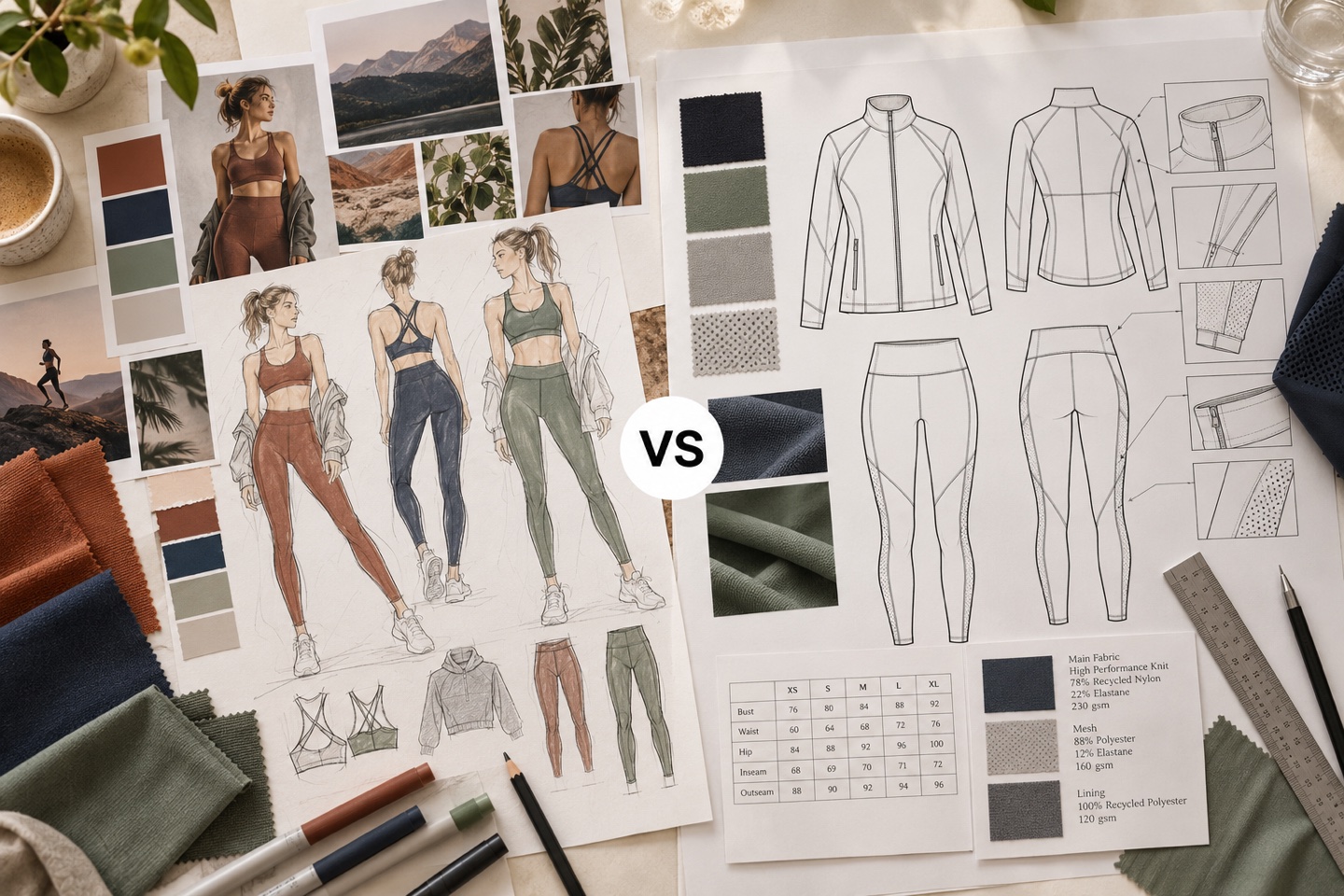
    Illustrative studio scene comparing stock sportswear fabric with custom material development

    Situation: you want fewer than 300 pieces per style, yet require a newly developed knit such as a specific Nylon 6.6 construction. The sewing minimum and the textile mill’s minimum are separate.

    A mill may quote 1,000+ yards for the custom material. That is a project example, not a fixed rule for every mill. The agent cannot negotiate away setup economics simply by promising a low garment MOQ.

    • Use available fabric: review stock material or available greige, then check what dyeing or finishing minimum still applies. Greige is unfinished fabric, not automatically production-ready.
    • Differentiate the garment: invest in fit, panel design and decoration where the stock substrate supports the result.
    • Share an approved base: consider splitting a 1,000-yard commitment across four styles using the same compatible material and colour. Calculate consumption, wastage and allocation; this is not automatically 250 yards per style.

    Discuss the actual programme through our private-label support for emerging brands, and compare sample expenditure separately in the clothing sample cost guide.

    3. The Retailer Managing 50+ SKUs

    Situation: a growing brand already has a supply-chain manager. The next bottleneck may be continuity rather than finding the lowest unit price. In an anonymous experience applicable to Sportxia, a low-cost factory stopped for one week during a regional power-related inspection, disrupting the season’s plan.

    Better route: assess backup capacity, approved alternate material sources and recovery timing. A 70/30 allocation between two qualified facilities is one possible resilience plan, not a universal split to impose on every programme. Both sites need validation, capacity and permission to handle the product. Require weekly critical-path updates showing actual fabric and trim locations, approval dates and the recovery owner.

    4. The Sustainability-Led Brand

    Situation: your marketing promises “100% recycled” material or ethical production. Those are different claims and need different evidence.

    Sportxia has encountered anonymous cases involving another factory’s organic certificate, and a purchase of just 100 yards of organic cotton for an audit while conventional material was used for bulk work. Do not let a valid company document stand in for order-level traceability.

    Better route: identify the applicable scheme, check the scope certificate and obtain transaction certificates where required, connecting seller, buyer, product, quantity, shipment and invoice. A scope certificate establishes certified activities and products; it is more than proof that a factory exists. A missing document should trigger investigation and prevent an unsupported certification claim, rather than automatically proving substitution.

    For EU sales, assess relevant REACH restrictions against the actual materials and uses, including applicable azo-colourant restrictions. Request appropriately scoped evidence and testing; no single generic “REACH report” proves compliance with every restriction. Ethical-labour evidence needs separate social-compliance review.

    5. The Factory Walkthrough: Five Warning Signs

    Visit the site yourself or commission a competent independent visit. A clean-looking floor is useful context, but must be checked against records, product risk and routine practice.

    1. Insufficient lighting. Dark inspection stations make skipped stitches and stains harder to see, especially on black fabric. Ask for the task-area lux reading and applicable requirement. 1,000+ lux can be a detailed-inspection specification to agree, not a universal legal minimum for every sewing station.
    2. Missing broken-needle records. Ask, for example, for the recent needle-replacement and fragment-reconciliation record on Line 4. Identify the last unresolved event and the containment action; a missing fragment needs a defined hold and investigation.
    3. Detectors without routine challenge checks. Ask staff to demonstrate the agreed test pieces and record the result. A 1.0 mm ferrous challenge card is an example from an inspection protocol, not a suitable sensitivity for every garment, aperture or metal type. Distinguish routine verification from formal calibration.
    4. Unidentified fabric and mixed cut panels. Check roll IDs, shade bands, ply numbering and bundle segregation. Mixing panels from Roll A and Roll B can put visibly different black shades into the same garment.
    5. Unlabelled chemical containers. Request identification, the current safety data sheet (SDS, formerly commonly called MSDS), storage controls and training records. Assess the local rules and chemical hazards rather than assuming US OSHA or EU law directly governs every overseas facility.

    Record the evidence, corrective action, owner and closure date. Use the ten questions to ask a clothing factory to structure the discussion before the visit.

    Practical Decision Matrix

    Choose the partner for the missing capability
    Choose the partner for the missing capability
    Your situationPartner model to assessWhat must be resolved
    Idea stage / fewer than 100 unitsAgile development or suitable factory-direct programmeTechnical definition and material availability; Sportxia 50-piece option is selected printed private label
    Scaling / 1,000+ unitsQualified agent or internal supply-chain teamMulti-site coordination, logistics, reporting and measurable value
    Custom technical fabricTextile mill + qualified cut-and-make partnerMaterial development, minimum commitment, tests and manufacturing compatibility

    Our recommendation: choose the smallest complete set of services that controls the actual risks. A small brand can benefit from a manufacturing partner with development support; a larger operation may justify an agent across several sites. Check independent oversight separately from coordination. Discuss your quantity, brief and delivery needs before committing to either model.

    People Also Ask About Apparel Sourcing Agents

    1. What is the difference between a sourcing agent and a trading company?

    An agent normally provides a service for a disclosed fee; a trading company buys and resells goods at its own selling price. A 3–10% agent fee and a 15–30% trading markup are comparison examples, not rules covering every business. Ask who is the seller of record, who contracts with the factory, what margin or fee is disclosed and whether you can verify the production site.

    2. What commission should I expect?

    Use 3–10% as an initial comparison range, then evaluate order value, technical complexity, site visits, development and reporting. Define the fee base and repeat-order treatment. A quote below 3% may reflect scale or limited scope; it is not by itself evidence of a kickback. Request disclosure of supplier-paid compensation.

    3. Can an agent secure a low private-label MOQ?

    Sometimes. At small volumes the fee may not cover the work, and some agents may set a 500-unit threshold. That is a business policy to ask about, not a universal market minimum. Sportxia’s confirmed options are 100 pieces for standard custom production and selected 50-piece printed private-label programmes. Custom fabric and dyeing may require a higher material commitment.

    4. What should I receive after a factory audit?

    Request a dated report identifying the site, scope, production capability, evidence and findings, plus a corrective and preventive action plan with owners, due dates and closure evidence. Relevant machine photographs and safely handled, appropriately redacted employment records may support the review. Avoid circulating workers’ personal information unnecessarily. A grade alone is insufficient.

    5. Do I still need an agent with a factory-direct partner?

    Not necessarily. If technical coordination, QC and logistics support are already covered, another agent may duplicate the work and a 10% fee example may be avoidable. Retain an agent or independent inspector when they provide distinct buyer-side oversight, specialist knowledge or multi-factory coordination. Compare the full service scope before deciding.

    For the regional decision, read China versus Europe manufacturing. For a supplier-search roadmap, use our sportswear manufacturer sourcing guide.

    Ready to Compare a Factory-Direct Quote?

    Share the approved brief, fabric preference, quantities, destination and launch date. Ask Sportxia to identify development work, production controls and delivery responsibilities in writing. Our standard 100-piece MOQ and selected 50-piece printed private-label options should be checked against your specific design and materials.

    Get a factory-direct sportswear quotation with a defined service scope.

    FACT CHECKED&EDITORIAL GUIDELINES

    Reviewed November 17, 2026. Cost calculations are illustrative; project terms follow the agreed quotation. Send a correction.

    READY TO START YOUR BRAND?

    Turn Your Brief into a Clear Production Plan

    Connect material choices, sample approvals and your first production run with one defined scope.

    Discuss Your Sportswear Project

  • How to Source Sportswear Factories at Trade Shows: A Step-by-Step SOP for 2026

    How to Source Sportswear Factories at Trade Shows: A Step-by-Step SOP for 2026

    SPORTXIA
    Inquire Now
    HOW TO GUIDE

    How to Source Sportswear Factories at Trade Shows: A Step-by-Step SOP for 2026

    Turn exhibitor conversations into an evidence-based shortlist, a comparable quotation and a controlled pilot order.

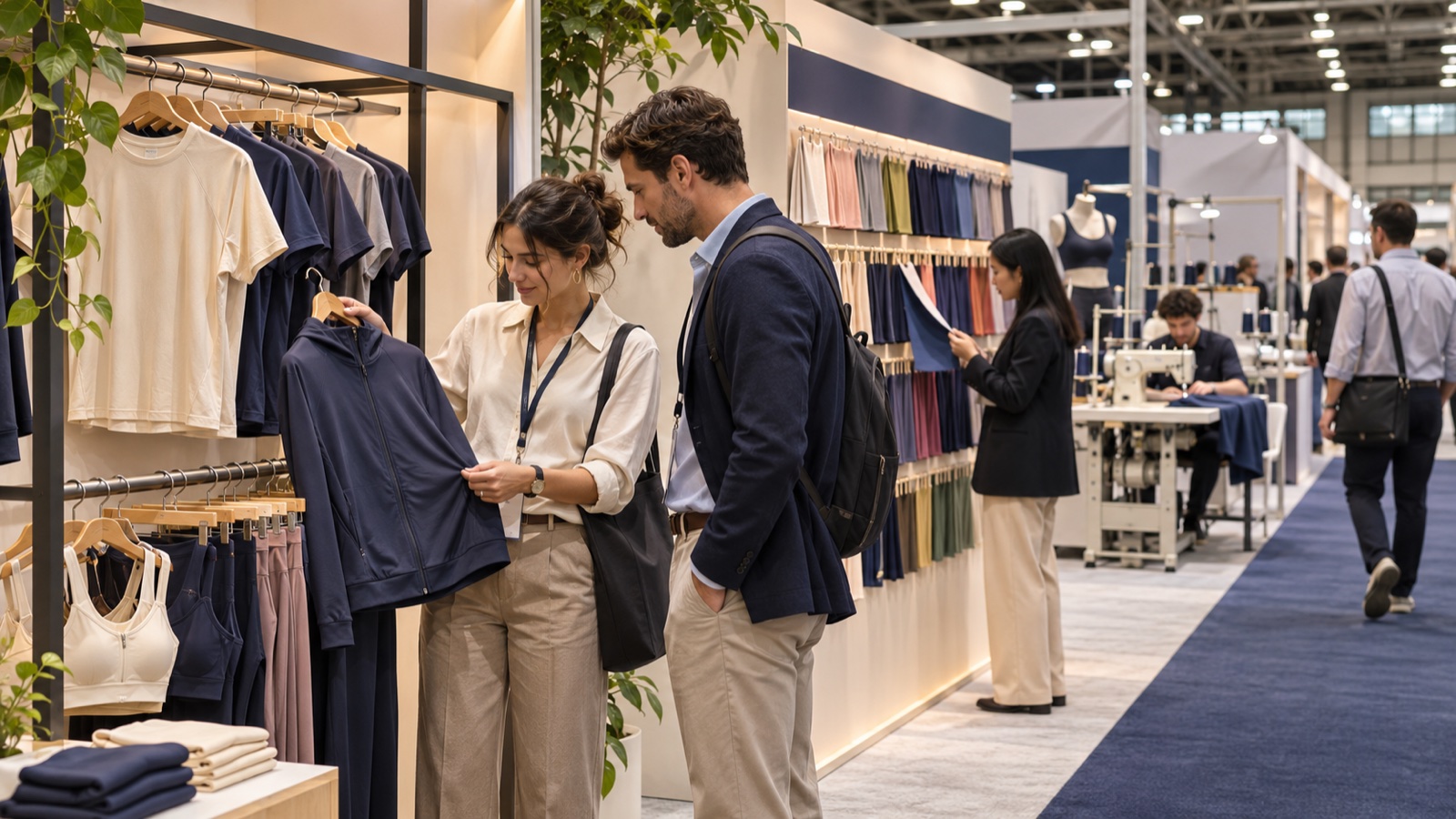
    Illustrative apparel trade show sewing demonstration with business buyers

    A successful sourcing trip ends with a manageable set of suppliers you can verify and test. A tote bag full of catalogues is only a starting point. To find sportswear factories at trade shows, connect what is displayed at the booth with the people, equipment, materials and approval process behind it.

    Sportxia draws on more than a decade of trade-show sourcing experience. A useful technical conversation goes beyond a quick price: who owns the pattern work, which processes happen at the proposed site, and what evidence supports the promised delivery? Those answers help decide who deserves a follow-up, rather than proving a factory relationship on the spot.

    This twelve-step SOP follows the journey from planning to pilot approval. Canton Fair Phase 3 provides a broad finished-goods sourcing environment, while ISPO connects the sports industry with products, materials and innovation. The right event depends on your bottleneck. The 2026 calendar below distinguishes historical dates from the remaining November event; use organisers’ portals for future editions and access rules.

    Before You Travel: Build a Working Sourcing Kit

    Preparation window: two weeks. Commercial exposure: high. Start with a written brief and a budget for verification. Show admission does not establish that an exhibitor can meet your product, quality or import requirements.

    • Trade credentials: register through the organiser’s own portal and check professional-buyer eligibility, badges, opening times and appointment access before arranging travel.
    • A mini technical package: include the target material, a starting weight such as 280 GSM, and an example blend such as 80% nylon / 20% spandex. Add the size basis and required care, fibre-content and country-of-origin information for the destination market.
    • Simple evaluation tools: bring a checked flexible fibreglass tape, a reference garment, a phone and a way to label samples. Cycle zippers and inspect seams with the exhibitor’s permission; these are preliminary screens, not laboratory durability tests.
    • Assigned responsibilities: decide who handles contact details, technical questions, photography and notes. Ask permission before photographing documents or recording a conversation.
    • A separate verification budget: allow for paid samples, freight, testing and independent inspection as needed. A low booth price can become expensive when these costs are ignored.

    For US-bound goods, forced-labour due diligence belongs in the sourcing file. Consult CBP’s UFLPA guidance and maintain traceability through the relevant supply chain. A trade-policy review or a certificate on the booth wall does not replace this work.

    The Twelve-Step Trade Show Sourcing SOP

    Use one consistent brief and one evidence record throughout the day. Change a requirement deliberately, and note why, so a lower quotation is not mistaken for a better offer when it covers a different product.

    1. State Your Product, Cost and Replenishment Requirements

    Illustrative buyer preparing a sportswear sourcing brief

    Write a short introduction that every team member can repeat. Identify the garment, its customer, the destination market, order volume, required delivery and the cost basis. Separate a buying objective from a supplier commitment.

    A booth introduction that produces comparable answers

    We supply [product] to [customer and market]. Our first order is [quantity by style and colour]. Our target is [currency and cost basis] and replenishment must reach [named location] within [time]. Which specification or material choices would make this feasible?

    For example, a performance-legging project for CrossFit gyms might target $12 landed cost and an initial 100–300 units. These are negotiation inputs, not a market price. State what “landed” includes, and request the supplier’s available quotation basis so freight, duties, taxes and receiving costs can be compared consistently.

    Know which constraints can move: colour count, stock fabric, packaging, decoration and launch window. A supplier can evaluate a clear trade-off more effectively than an undefined request for the cheapest option.

    2. Update the Market and Policy Assumptions

    The USMCA joint review took place on July 1, 2026. USTR’s statement that day said renewal was not agreed and that the agreement remained in force pending resolution or termination. Review the official USTR statement and subsequent official updates when costing an order.

    At the booth, ask for the actual manufacturing location, material origins, subcontractors and the records needed to support an origin claim. Nearshoring is useful only when the proposed route meets your technical, capacity and legal requirements. A label change or shipment through another country does not establish preferential origin.

    3. Establish a Primary Route and a Qualified Backup

    Plan A is the best technical and commercial match: for example, a Chinese facility with proven stretch-fabric construction for the proposed style. Plan B is a separately assessed route, potentially in Vietnam, Mexico or another suitable region.

    Compare each route on material availability, sample interpretation, approved capacity, total lead time, freight, origin rules and landed cost. A different country does not automatically reduce duty exposure or eliminate supply-chain risk. Make sure the backup can reproduce the approved specification before treating it as production-ready.

    Our China versus Europe supply-chain comparison provides a wider framework for balancing cost, speed and proximity.

    4. Use Compliance Areas to Find Evidence, Then Verify It

    A certified-exhibitor area or sustainability zone can make the hall easier to navigate. Start there if responsible sourcing is a defined purchasing requirement. Collect the certificate or audit identifier, legal holder, site, scope, issue date, validity and relevant product or material coverage.

    • OEKO-TEX STANDARD 100: concerns harmful-substance testing of covered textile articles. It is not a factory social-compliance audit or evidence of every environmental claim.
    • GRS: verify the certified organisation and scope, then the transaction evidence applicable to the claimed supply. A yarn supplier’s certificate is not automatically the garment factory’s certificate.
    • Social assurance: identify the actual scheme, assessed site, report date, findings and corrective actions. Sedex membership and a SMETA report are different things; SMETA is an audit methodology, not a certification.

    Supply-chain maps can make a useful starting conversation, but traceability records must support them. Green décor, recycled-looking packaging and a logo display cannot establish scope or compliance. Our manufacturer-verification guide explains how to develop the supporting file.

    5. Choose a Production Model and Use One Scorecard

    Illustrative supplier evaluation worksheet and sportswear samples

    Group your one-page scorecard into product type, capability and commercial terms. Under product type, distinguish seamless and cut-and-sew. Under capability, record pattern development, sampling, dyeing and decoration, with each process marked in-house or external. Under commercials, record minimums, price basis, payment and delivery assumptions.

    Choose the lane before comparing factories

    • Private label: adapt an existing garment or stock-material programme with agreed branding and packing.
    • OEM: develop against your specification, with responsibilities for materials, patterns and production explicitly assigned.
    • ODM: evaluate supplier-proposed designs or materials and agree ownership, modifications and approval responsibilities.

    With permission, extend a sample seam through a sensible use range and observe its recovery. Feel the skin-contact side for bulky edges or hard thread ends. Check a printed area for visible damage or transfer, while recognising that sublimation, transfer prints and other decoration systems behave differently. These quick comparisons identify follow-up questions; they do not establish a test grade.

    List non-negotiables before the meeting: minimum volume, critical process, delivery window and any required certification. If ISO 9001 is your purchasing requirement, verify its scope and validity. It is a management-system requirement, not a substitute for inspecting your garment.

    6. Match the Exhibition to Your Sourcing Problem

    Illustrative exhibition displays for garments, materials and machinery

    Read the exhibitor profile and actual exhibitor list before buying a ticket. A clothing brand seeking full-package production may find a machinery exhibition valuable for process knowledge yet unsuitable for its immediate factory shortlist.

    • Finished-goods sourcing: look for manufacturers capable of the garment, materials and service scope you need.
    • Material sourcing: use fabric, yarn and trim specialists to evaluate performance, handle, colour and development options.
    • Machinery and technology: investigate sewing, cutting, automation, finishing and software with the people who will specify or operate them.

    2026 Event Calendar and Official Portals

    The dates below are retained as a 2026 sourcing record, checked November 5, 2026. Earlier editions have already ended. Follow the linked organisers for the next edition, registration and any updated schedule; a past date is not a current booking invitation.

    Texworld NYC / Apparel Sourcing NYC

    January 20–22, 2026 · New York · Past

    Textiles and finished-apparel sourcing. Organiser’s 2026 announcement · Official portal.

    Texworld / Apparel Sourcing Paris

    February 2–4, 2026 · Paris · Past

    International textile and apparel suppliers. Organiser’s dated release · Official portal.

    Première Vision Paris

    February 3–5, 2026 · Paris Nord Villepinte · Past

    Material development and creative sourcing. Official visitor information.

    SOURCING by Informa, Las Vegas

    February 17–19 and August 10–12, 2026 · Past

    Manufacturers, materials and sourcing services; also known through its SOURCING at MAGIC history. February date announcement · August event information · Official portal.

    Texprocess Frankfurt

    April 21–24, 2026 · Frankfurt · Past

    Textile processing technology and machinery. Organiser’s event review · Official portal.

    Canton Fair Phase 3

    May 1–5 and October 31–November 4, 2026 · Guangzhou · Past

    Broad finished-goods sourcing; confirm the apparel category and exhibitor location. 2026 official buyer attendance guide · Official buyer portal.

    Asian International Apparel Sourcing / Asia Sourcing Show

    June 3–5, 2026 · Bangkok · Past

    Multi-country textile and apparel sourcing. Venue’s 2026 event listing · Official organiser portal.

    ISPO Amsterdam

    November 3–5, 2026 overall: Summit November 3; Expo November 4–5

    Sports-industry connections, products and innovation at RAI Amsterdam. For booth sourcing, distinguish the Expo from the separate Summit. Official dates and access FAQ · Official portal.

    ITMA ASIA + CITME

    November 20–24, 2026 · Shanghai · Upcoming at this review

    Textile machinery, rather than a dedicated finished-garment factory fair. Official timetable · Official portal.

    7. Pre-Qualify Exhibitors and Plan Eight to Twelve Visits

    Illustrative pre-show appointment calendar and floor plan

    Build an initial daily shortlist of 8–12 exhibitors. Leave time for walking, note capture and unexpected technical discussions. Use the organiser’s directory to check product scope, location, claimed processes and relevant audit information before scheduling.

    Production-line, cutting-table and QC photographs are useful requests, but an office-only profile is not proof of trading status, and workshop photographs alone are not proof of ownership. Ask which entity operates the site and who will manufacture your order. Record how to verify each claim.

    A meeting request should state three intended SKUs, the expected first-order volume—such as a 300-unit pilot—the target delivery window, and a direct question about the supplier’s manufacturing role. Request the technical contact’s attendance where the style requires it.

    Use 9:30 a.m. as a possible early triage slot and 11 a.m. or 2 p.m. as examples for a pre-booked detailed review, subject to the actual show hours and booth schedule. Avoid relying on a late-afternoon walk-in for a complex discussion. Record the hall, aisle and booth in text—for example, 14.1 C 22—and save an offline map. Indoor positioning can be unreliable.

    8. Prepare a One-Page Brief and a Controlled Full Tech Pack

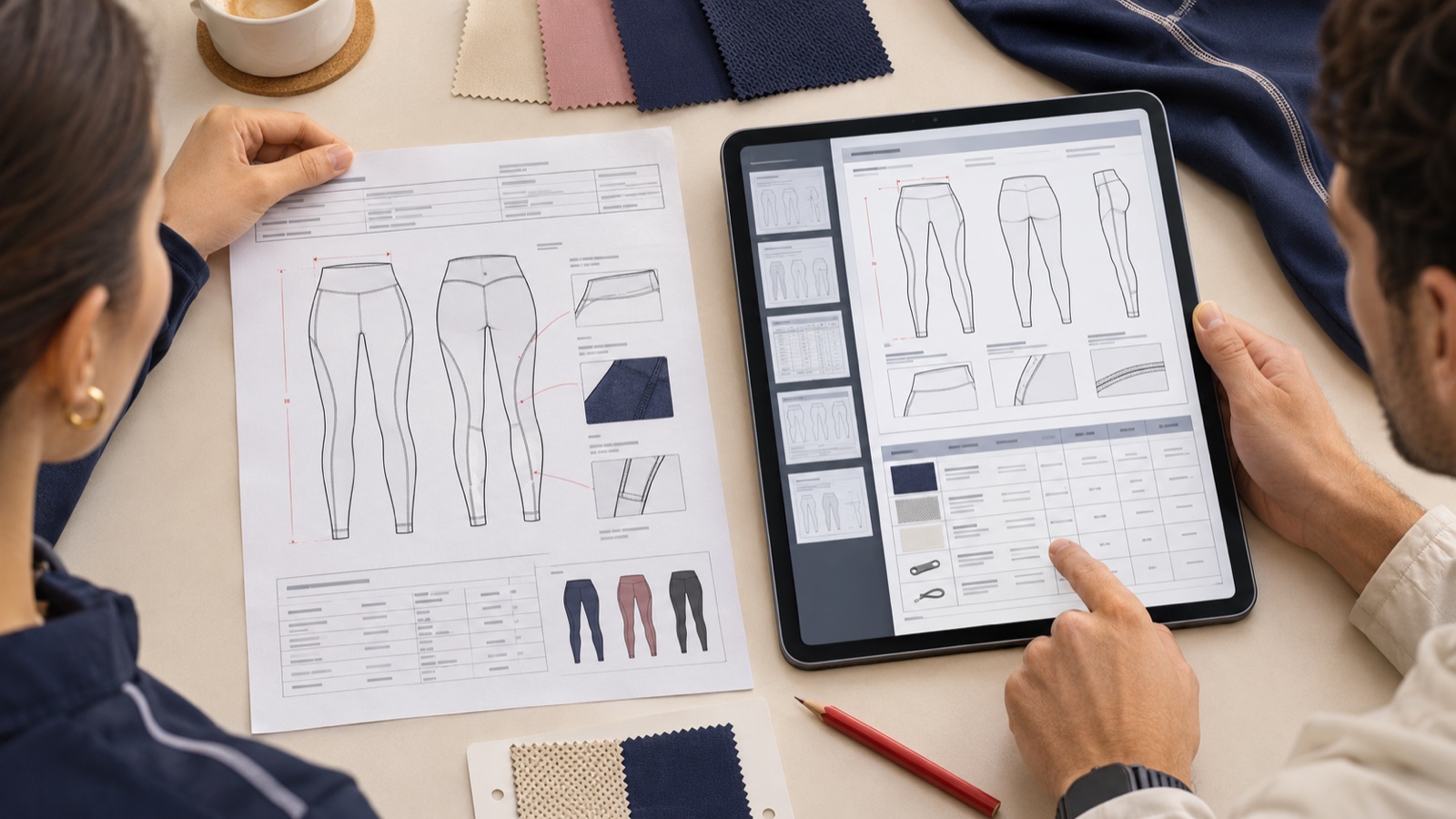
    Illustrative one-page brief beside a full digital tech pack

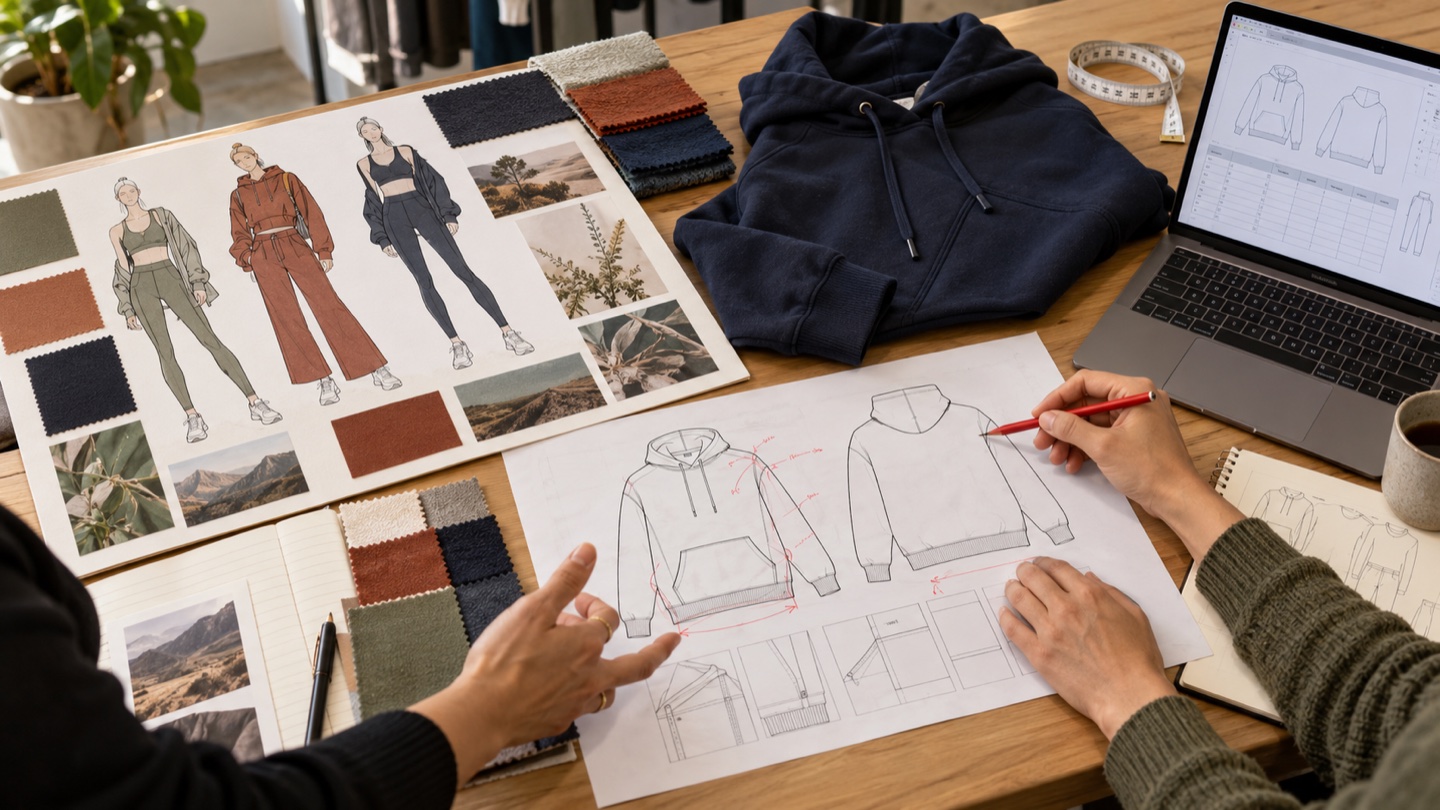
    A 15-page technical file is hard to discuss in a crowded aisle. Bring a one-page physical brief and retain the complete digital package for qualified follow-up. The short version should expose the main cost and feasibility drivers without disclosing every development detail.

    • Material: composition, target GSM range and performance expectations.
    • Construction: relevant flatseam, bonding or other process requirements, with details clearly marked on the drawing.
    • Identification: style code, revision, units and written part labels. Do not make the drawing depend on colour alone.
    • Full package: graded POMs, tolerances, construction details, BOM, artwork, labels, packing and approval history, shared under appropriate project arrangements.

    Use the Brief as a Feasibility Test

    Ask which element is hardest to manufacture and what change would help meet your target. A proposal to move a seam 2 cm might improve marker efficiency in one design, but needs assessment against fit, appearance and performance before approval.

    A marked-up brief is useful evidence of engagement. It is not conclusive evidence of ownership: a factory salesperson may need an engineer, and an experienced sourcing agent may have strong technical knowledge. Record the recommendation and obtain the responsible pattern team’s written response.

    Our sportswear tech-pack guide explains what the full package should contain. Keep the same revision number across the booth brief and follow-up file.

    9. Scan the Hall, Then Inspect Ordinary Samples

    Allow a ten-minute hall scan to understand the layout before beginning the booked visits. A busy booth at 9:30 a.m. may be interesting, but crowd size can reflect position, promotion or a demonstration rather than production quality.

    At a candidate booth, use a 30-second first screen. Compare several rack samples instead of relying on one display garment. Look at a Small and an Extra Large, checking whether seam execution and finishing remain consistent. A difference is a reason to investigate the size set, not a complete diagnosis.

    • Extension and recovery: gently extend within an agreed range; note waviness, seam opening and delayed recovery. Do not yank a sample to destruction.
    • Seam feel: inspect the inside surface and contact edges. Judge suitability for the intended activity and skin-contact zone.
    • Decoration: look for visible cracking, transfer or surface damage. Ask what print process was used and which rub, wash or stretch tests apply.
    • Zipper operation: open and close it three times to screen for catching, alignment and slider problems. This is not a life-cycle test.

    Photograph labels and sample identifiers with permission, and record a 15-second voice note covering the contact, MOQ and lead-time assumption. Note texture and construction observations explicitly; exhibition lighting can distort colour. A garment label may identify a marketer or importer rather than the factory.

    For movement-based assessment after buying a sample, use our activewear fit diagnosis guide. Save those findings with the sample code and supplier evidence record.

    10. Ask the Same Ten Verification Questions

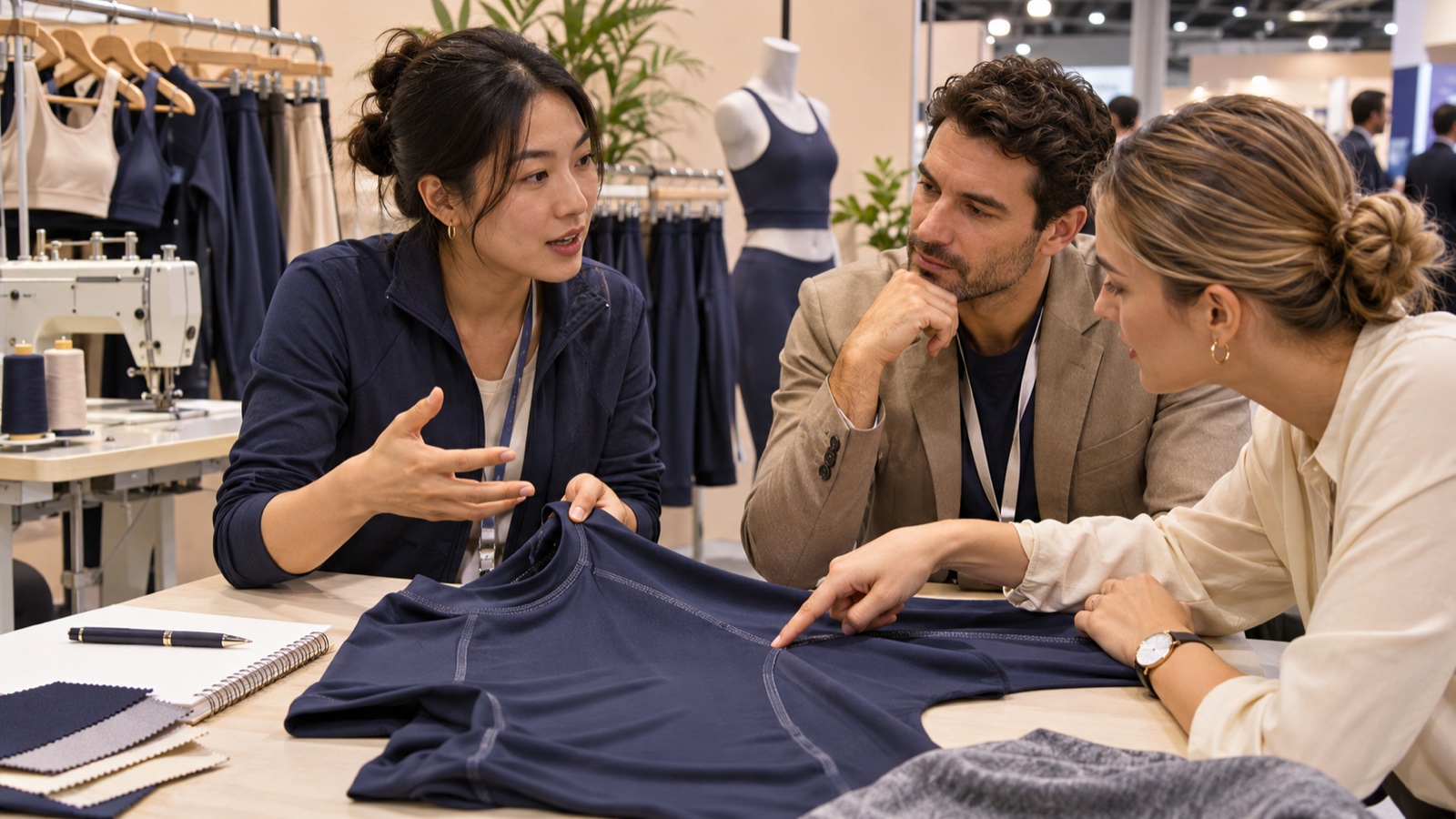
    Illustrative technical seam review at an apparel sourcing booth
    1. Identity: what is the legal company name, manufacturing role and exact cutting/sewing site?
    2. MOQ: what is required per style, colour and size allocation, and what material commitment drives it?
    3. Sampling: what are the fees, lead time, revision scope and approval deliverables?
    4. Bulk timing: when does the clock start, what approvals are dependencies, and is this ex-factory or delivered?
    5. Process ownership: which cutting, sewing, printing, dyeing and packing operations are in-house or subcontracted?
    6. Quality: what inspection plan applies, including any proposed AQL 2.5 category, and can the buyer commission in-line and final checks?
    7. Assurance: which current site audits or certifications are relevant—such as amfori BSCI audit information, SMETA reports or WRAP facility certification?
    8. Market experience: which destination markets and comparable product requirements can the supplier substantiate?
    9. Evidence: can it share the relevant audit summary, certificate identifiers and corrective-action status through an appropriate channel?
    10. Pilot: what specification, payment, approval, inspection and ownership arrangements would govern a small first run?

    A supplier quoting an example 45–60-day bulk window should explain its assumptions. A fast answer can still be wrong; an honest technical referral can be appropriate. Score specificity, evidence and consistency rather than response speed alone. The factory ten-question guide provides a fuller evidence-based interview.

    With permission, obtain the business licence details and relevant audit summary. For China, retain the legal Chinese name and registration identifier, then check the National Enterprise Credit Information Publicity System. Commercial databases such as Qichacha and Tianyancha can supplement that check; they are not government registries.

    11. Leave with an Action Record and a Booked Review

    Illustrative follow-up scheduling meeting at an apparel trade show

    Return to strong candidates during a mutually agreed quieter slot. 9 a.m. or 4:30 p.m. may work at some events; neither is automatically open or quiet. A pre-booked 11 a.m.–2 p.m. meeting can work well even when the aisle is busy. Keep the discussion manageable and involve the right people.

    1. Identify owners: collect the commercial contact and the technical merchandiser or engineer responsible for the specification.
    2. Create a recap: record the style, quantity, material, quotation basis, unresolved questions, owners and dates. An example subject is Action Plan — [Brand] / [Supplier] / Style 123.
    3. Confirm receipt: ask the contact to check that the message arrived and correct any misunderstanding while you are together.
    4. Book the next review: propose a call 7–14 days after the show, with a clear agenda and agreed deliverables.

    Sportxia’s tracking has found a 60% improvement in post-show response rates when the recap was sent during the booth conversation. Treat that as an observed result within our follow-ups, rather than a promised uplift for every trip.

    Use two separate sample decisions: buy an existing display sample where useful for an early construction check, then commission a custom-specification sample to assess how the supplier interprets your file. Clarify what you own, what may be shared and what each payment covers. The factory search-to-first-PO guide connects these contacts to a broader sourcing decision.

    12. Verify Two Finalists, Run Pilots and Lock the Calendar

    Consolidate notes within 48 hours so questions and sample identities remain clear. Use one matrix for MOQ, sample cost, lead time and FOB or other agreed price basis. Preserve the original quote alongside your normalised comparison; currency, units, included services and delivery assumptions must remain visible.

    Complete the Verification Gates

    • Entity and payment: reconcile the contracting company, manufacturing site and beneficiary. Investigate and document differences before paying; group-company or trading arrangements require a clear explanation rather than an automatic assumption of fraud.
    • Product and certificate scope: use OEKO-TEX Label Check and Textile Exchange’s certified-company directory. Check relevant transaction evidence as well as scope for recycled claims.
    • Facility assurance: verify WRAP claims through its facility directory, and review the actual audit evidence for the other schemes applicable to the project.
    • Process control: reconcile the live or independent site evidence with the production operations and subcontractors declared at the booth.

    Choose two finalists for paid evaluation where the budget supports a fair comparison. Start with samples, then an agreed small pilot production run. Request a costed BOM or an agreed cost breakdown; confidential supplier costs may require an alternative format, but the quote scope still needs to be clear.

    Inspect packing, barcodes, construction, measurements and performance separately. A crooked label can be a packing defect, yet it does not prove that the stitching is poor. For a specified 32 cm flat waist, a delivered 33 cm result is a one-centimetre difference: apply the agreed measurement method and tolerance before accepting or rejecting it.

    Real garment inspection work from the Sportxia user-supplied factory photograph library

    Record the approval path as sampling → pre-production sample (PPS) → bulk → QC → shipping, with owners, dependencies and realistic transit time. Use our sample-stage timeline to define what each gate must establish. Give the production decision to the supplier whose evidence, sample execution and communication meet the project requirements, rather than simply the first sample to arrive.

    Troubleshooting Six Common Sourcing Failures

    1. Every exhibitor claims to own a factory

    Ask which operations and site the claim covers, who employs the workers and who controls subcontracting. Follow the legal registry check with a documented visit, live walkthrough or independent assessment. A willingness to receive a visit tomorrow is encouraging but not proof; scheduling constraints can be legitimate.

    2. The supplier stops responding

    Send the annotated brief, a dated sample plan and a short list of unresolved questions. Follow up through two agreed channels, such as email plus WeChat or WhatsApp. Sportxia has observed a 40% response-rate improvement with multi-channel follow-up. Use response quality and follow-through as selection inputs, while allowing for show workload and time zones.

    3. The MOQ is too high

    Identify whether the minimum comes from fabric dyeing, trim development, decoration or sewing. Ask whether stocked colours can be shared across styles and what material purchase remains payable. In an observed Sportxia negotiation, using market-stock colours instead of custom Pantones reduced the minimum from 1,000 to 100 units. That outcome depends on stock availability, style and capacity; it is not a blanket custom-production offer.

    4. Bulk quality differs from the approved sample

    Confirm the production site, approved material and construction before release. Retain a signed or sealed PPS reference and document the inspection plan, including any agreed AQL 2.5 defect category, inspection level and acceptance criteria. Commission independent inspection when appropriate. A golden sample supports comparison but cannot replace process and shipment checks.

    5. Sustainability claims remain vague

    Request the holder, site, certificate number, scope and product or material coverage. Verify the claim through the issuing scheme and reconcile upstream records with the actual garment route. Separate chemical-safety testing, recycled-content chain of custody and social audits; one does not stand in for the others.

    6. You attended the wrong type of show

    Rebuild the plan around the decision you need: a garment manufacturer, a material source or production technology. Keep the useful technical contacts, but do not treat a machinery distributor as a finished-garment OEM candidate just to fill the shortlist. Recheck the next event’s directory before booking.

    Questions About Sourcing Sportswear Factories at Trade Shows

    Can a 100-unit order work directly with a manufacturer?

    It can, particularly where an approved stock-material or private-label programme fits the style. Sportxia’s standard starting point is 100 pieces, with 50-piece printed private-label options for suitable programmes. We have also used stock fabrics for 50-unit pilots. Confirm the exact product, colour/size split and service scope. Existing lawful stock can reduce dyeing commitments; it does not automatically allow use of another brand’s protected material or branding. Ask about a scheduled small production slot rather than assuming a named brand’s line is available.

    Can one question instantly distinguish a factory from a middleman?

    No single answer is conclusive. Ask about the machine and needle configuration for the proposed seam, and the fabric-relaxation method—whether a proposed 24 or 48 hours is appropriate for that material. Then verify the site, process control and legal relationships. A salesperson consulting an engineer may be acting responsibly. A transparent agent can also be useful when its role, fees and responsibility are clear.

    Do I need a translator at Chinese trade shows?

    Confirm the exhibitor’s language capability in advance. Large international fairs often offer substantial English-language access, but do not assume every booth or factory technician can discuss a complex specification in English. A bilingual technical interpreter can be valuable for detailed meetings and site visits. In one Sportxia conversation, explaining a gusset verbally took around 20 minutes; a dimensioned sketch made the requirement clear. Drawings, units and revision control reduce ambiguity in any language.

    What is the biggest preparation mistake?

    Arriving without a product specification and a defined cost basis. A target such as $9.50 DDP for a 280 GSM legging is a feasibility brief, not a realistic price guarantee. State the destination, quantity, required scope and who will handle import obligations; then ask which material or design changes could achieve the target lawfully. Compare the complete offer rather than treating a cheap headline as the decision.

    Bring Home a Shortlist You Can Validate

    A productive trip has a clear sequence: define the project, choose the event, pre-qualify, compare samples and evidence, capture the next actions, then test the finalists. Three genuinely qualified partners can be a useful trip objective, but the value depends on the orders and risk reduction they enable; attendance alone does not establish a financial return.

    • Choose: one event whose exhibitor profile addresses your immediate sourcing need.
    • Register: through the organiser’s portal and confirm access, dates and the intended meetings.
    • Budget: allow for travel and an illustrative $500 pilot-sample budget, adjusting it for style complexity, freight, testing and the number of finalists.
    • Document: use the same brief, evidence record and approval calendar from the first booth visit through the first PO.

    If a two-week travel allocation does not fit your programme, a remote technical review is another starting route. Sportxia’s manufacturing services and cut-and-sew development can support a defined sportswear brief, with the same need for sample, scope and production approvals. Our planning ranges are 7–15 days for sampling and 15–30 days for bulk, subject to material availability, the agreed specification and approvals.

    Send your tech pack and sourcing requirements to discuss the product, minimums, evidence and delivery plan before committing to a first order.

    FACT CHECKED&EDITORIAL GUIDELINES

    Reviewed November 5, 2026. Trade-show experience, response-rate improvements, response times and negotiation examples are company-reported. Event dates and access details link to organisers or venues; policy and assurance statements link to the relevant official sources. Generated trade-show scenes illustrate the workflow; the inspection photograph comes from the real factory library. Send a correction.

    READY TO QUALIFY YOUR NEXT SPORTSWEAR SUPPLIER?

    Turn Your Sourcing Brief into a Production Plan

    Share your garment specification, quantities and delivery requirements. Agree the evidence, sample and approval steps before your first order.

    Discuss Your Sportswear Project
  • How to Diagnose and Fix Activewear Fit Issues: A Technical Guide

    How to Diagnose and Fix Activewear Fit Issues: A Technical Guide

    SPORTXIA
    Inquire Now
    HOW TO GUIDE

    How to Diagnose and Fix Activewear Fit Issues: A Technical Guide

    Trace slipping waistbands, front-seam pressure, bra movement and chafing to measurable fit, fabric and construction decisions.

    Illustrative apparel technician measuring the fit of a red sports jersey

    A waistband that migrates during a set, or leggings that become transparent in a lunge, deserves a technical investigation. Changing your body is not the corrective action. Start with three connected inputs: body and garment measurements, the pattern block, and the fabric’s behaviour at the required extension.

    At Sportxia, our review of thousands of production samples has made those inputs central to fit discussions. This guide connects a practical wearer check with the evidence a brand should send back to its pattern and sample team. Allow 15–30 minutes for an initial diagnostic; a repeat wear session or laboratory test requires additional time.

    Define success before testing: stable placement through the intended movement, adequate coverage in relevant lighting, comfortable breathing and no painful seam pressure or skin irritation. Those observations are more useful than a size letter or a sensation of extreme tightness.

    What You Need Before Testing

    Preparation: approximately 10 minutes. Difficulty: beginner for the wearer screen. This is separate from the 15–30-minute initial diagnostic and the longer checks below. Do not compress every protocol into a promised ten-minute exercise.

    The diagnostic toolkit

    • Soft vinyl measuring tape: a flexible tape can follow body contours; a rigid construction tape is unsuitable for consistent waist, hip and underbust measurements.
    • Phone with rear camera: use a stable position and repeatable distance. Rear-camera recording is often convenient; either camera can distort proportions if too close. Photograph the same movement from front, side and back where appropriate.
    • Bright task light: combine ordinary room light with a consistent brighter light for an opacity screen. Keep the angle, distance and background comparable between samples.
    • Optional care and comfort items: a suitable anti-chafe product for intact skin, a manufacturer-compatible lingerie extender, and fabric-safe detergent. These help distinguish a temporary comfort adjustment from a construction change.

    Collect the garment data

    Record actual body measurements and the brand’s size chart, then the style, size, colour, age, wash history and intended sport. Think like a technical designer assessing fit and construction: identify what changed and which dimension or material could explain it.

    • Fibre percentages: an example is 80% nylon / 20% spandex. Composition identifies ingredients, not the force or recovery of the finished knit.
    • GSM: mass per unit area is a useful sourcing input. A 220+ GSM nylon/elastane interlock is a sensible candidate to evaluate for squat coverage, rather than a guaranteed pass.
    • Yarn size: denier describes linear density; filament count, knit gauge and stitch length also influence the result.
    • Construction: note gusset shape, front rise, seam position, elastic type, lining and strap adjustment. Save the relevant tech-pack measurement and construction pages.

    Eight Steps to Diagnose and Fix Activewear Fit Issues

    Test the current garment before making it smaller, tighter or more heavily compressed. Change one variable at a time and repeat the same movement. For bulk development, record observations against the approved fit model and intended customer size range.

    1. Identify the Movement That Exposes the Failure

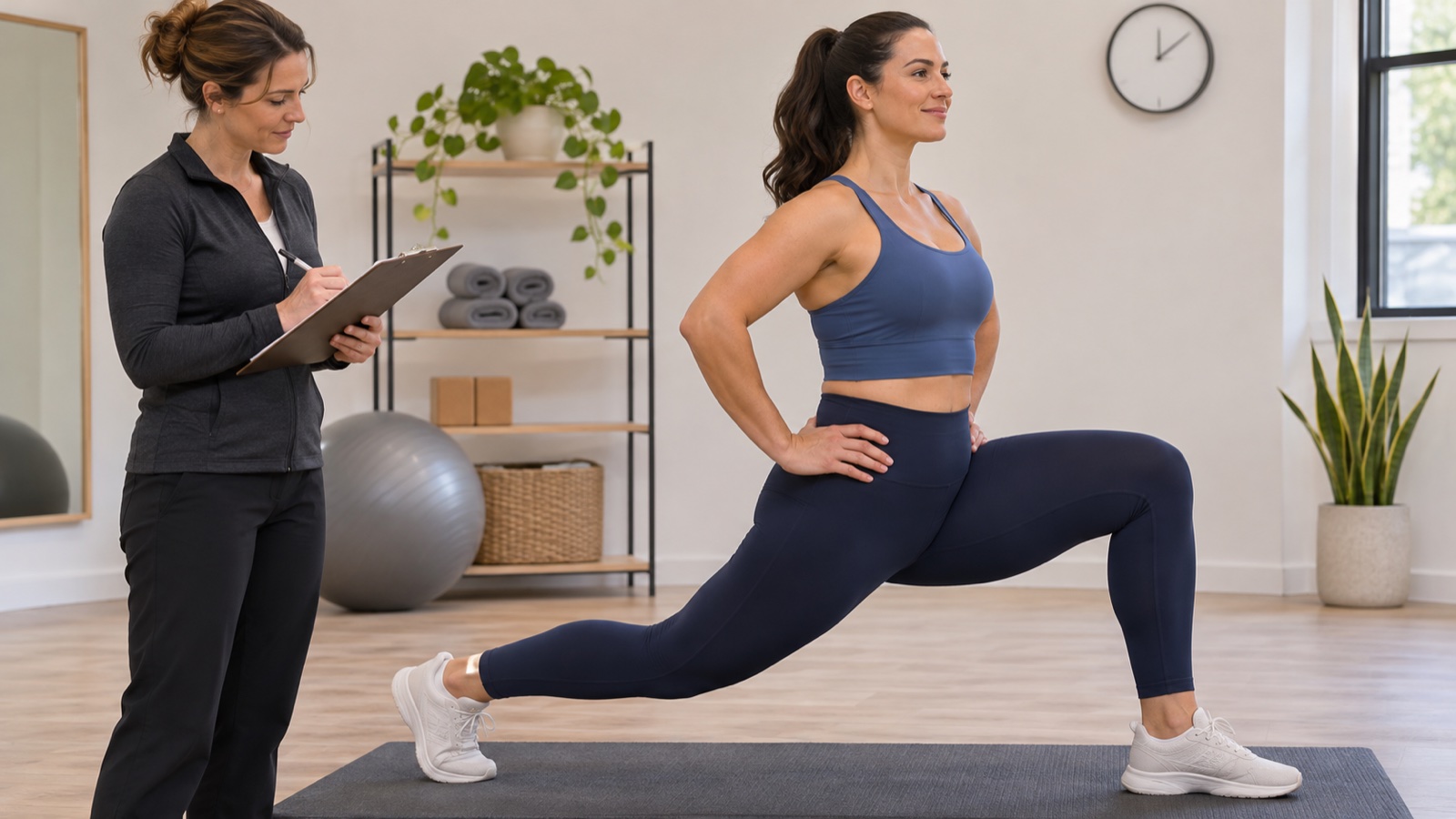
    Illustrative supervised activewear squat fit assessment

    Perform three comfortable bodyweight squats and, if appropriate for you, hold the bottom position of the third for five seconds. Use a mirror, recording or observer to locate the first movement of the garment.

    • The whole garment drops: if both crotch and waistband descend, investigate excess garment volume, insufficient elastic holding force, poor recovery or the wrong pattern for the wearer. A larger size is only one possible cause.
    • The waist stays but fabric pools at the knees: compare hip, thigh, knee and leg-length dimensions. A waist-to-hip grading mismatch, excess length or fabric movement may be involved; pooling alone does not establish which ratio is wrong.
    • The waistband flips or rolls: check where the top edge sits during bending, whether it meets the ribs, how the front and back rise balance, and how the elastic behaves. A tall rise can fold on a shorter torso, while a soft or overstretched band can roll for other reasons.

    Write down the starting position and the point of failure. “Waist drops after the third squat” gives a technician a repeatable condition; “size M is bad” does not. Compare the garment to the specified body-size and garment-measurement system.

    2. Try Reversible Field Adjustments

    When a return is unavailable, a temporary adjustment can reveal the cause, but it should not conceal failed coverage or painful pressure.

    1. Screen opacity before sizing down. Stretch the material only to the extension created by the wearer’s actual movement. If coverage disappears, adding more tension is unlikely to solve the problem.
    2. Set a continuous drawcord evenly. Adjust it snugly without restricting breathing or creating local pressure, then repeat 10 squats if comfortable. Check whether the channel distributes the force instead of gathering the front into a hard knot.
    3. Compare a compatible underlayer. Sportxia’s wear-test experience includes cotton underwear providing more grip than bare skin against some smooth nylon 6.6 leggings. Treat that as a material-specific observation. Cotton retains moisture and can increase friction during sustained exercise; stop using the combination if it becomes damp or rubs.

    If a suitable underlayer or drawcord stabilises the garment only briefly, retain the observation for the pattern review. Adding friction is not a substitute for a correct waist-to-hip relationship, adequate rise and stable elastic.

    3. Use a Manufacturing Checklist When Choosing the Next Sample

    Illustrative waistband construction and grip comparison

    Replace vague “premium compression” language with the dimensions and material behaviour you need. Three useful screening questions concern band width, inner finish and recovery.

    • Band width: compare a wide waistband around 4 inches (10.16 cm) or more against the wearer’s torso and intended movement. Width adds contact area, but a wider band can still fold or press into the ribs. Four inches is not exactly 10 cm and is not a universal minimum.
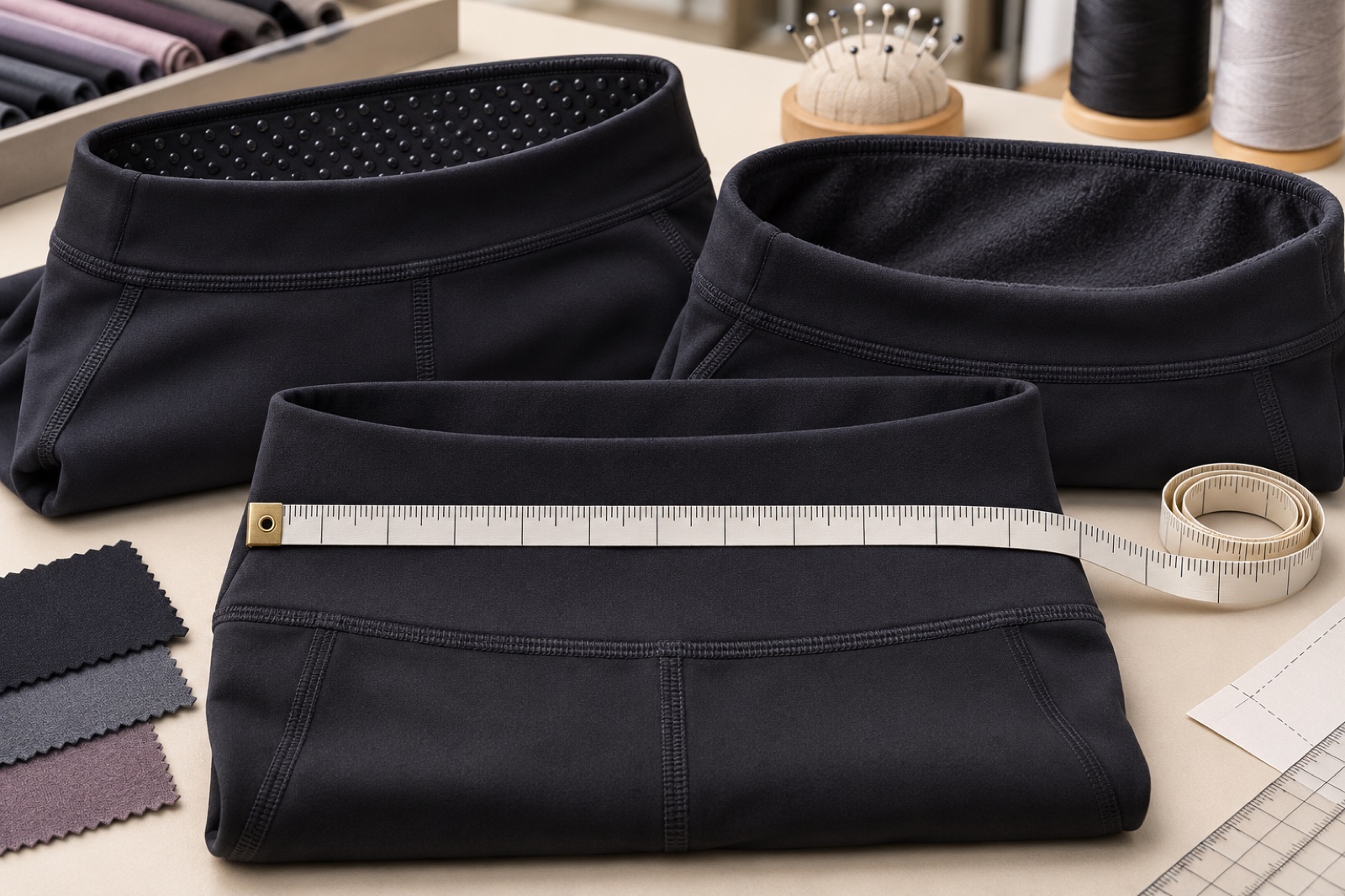
    • Inside finish: compare a silicone gripper, a brushed or peached surface, or an appropriate enclosed elastic. Confirm grip when damp, skin comfort, wash durability and the placement of any gripper.
    • Recovery: a label with more than 15% elastane may be a sourcing lead, but less than 15% does not automatically mean poor support. Ask for extension, holding-force and recovery data on the selected material after the agreed laundering programme.

    For elastic fabrics, a laboratory can consider a method such as ASTM D4964 for tension and elongation, with the appropriate test conditions agreed. A method intended for low-power knits should not be assumed suitable for every compression product.

    Quick repeatability check

    Walk on a treadmill for three minutes, then perform 10 squats where suitable. Record band displacement and every manual adjustment. An agreed objective can be no adjustment and a flat, stable band; a sharp cord-like sensation needs a review of pressure, elastic width or placement rather than more tightening.

    4. Resolve Front-Seam Pressure and Rise Balance

    Illustrative inside-leg gusset and seam construction

    A concentrated front seam can be uncomfortable even when the waist measurement appears correct. Investigate front-rise length and curve, crotch extension, fabric tension, gusset geometry and seam bulk together.

    1. Distribute the garment before settling the waist. Gently move fabric up from the thighs to release excess local tension, then position the band. Repeatedly pulling only the waistband upward can increase crotch pressure.
    2. Inspect the inside junction. A diamond gusset can spread stress away from a bulky seam crossing. A U-shaped gusset or front-seam-free construction is another design option. Neither shape is mandatory for all bodies or activities; inspect seam alignment and how the panel stretches.
    3. Evaluate a smooth barrier only if comfortable. A compatible seamless underlayer with a flat front can reduce direct seam contact. It cannot add missing rise length or repair a restrictive pattern.

    Repeat check: walk 20 steps and perform three comfortable lunges. If pressure returns immediately, stop and review the pattern or choose another garment. Record the affected seam and posture for the cut-and-sew development team; do not conclude that no alteration could ever help merely from one brief test.

    5. Fit the Sports Bra in Band–Cup–Strap Order

    Begin with the underband, then assess cup capacity and strap placement. The familiar “80% of support from the band” figure is a fitting shorthand, not a measured load split for every sports bra. Support comes from the combined design, material, cups, band and straps.

    1. Set the underband. Raise the arms overhead and observe whether the back band arches upward. Review band circumference, elastic force, cup fit and strap tension before automatically choosing a smaller size. The band should remain reasonably level and allow a full comfortable breath.
    2. Assess cup volume and coverage. Spillage at the neckline or armhole can indicate insufficient volume or the wrong cup shape. Wrinkling or a gap can indicate excess room, but over-tight straps may also lift a cup away. Compare compression, encapsulation or combination construction for the intended impact level.
    3. Adjust the straps. Straps also contribute to support; they are not merely decorative stabilisers. Loosen excessive tension and reassess the whole fit if they dig. For slipping, check slider security, length and attachment angle. Racerback or cross-back patterns can help some wearers but can also change pressure.
    4. Run the movement check. If appropriate, do 10 jumping jacks followed by an overhead reach. Measure underband movement. The reference screening limit of 1 inch (2.54 cm) can be logged as a project-specific observation; less movement does not alone establish adequate support or comfort.

    Do not assign running suitability solely from a “yoga” label, seamless construction or fibre composition. Test the actual style and size. Sports-bra performance research examines combinations of design features, reinforcing the need to evaluate the complete garment.

    6. Locate Friction Before It Becomes a Skin Problem

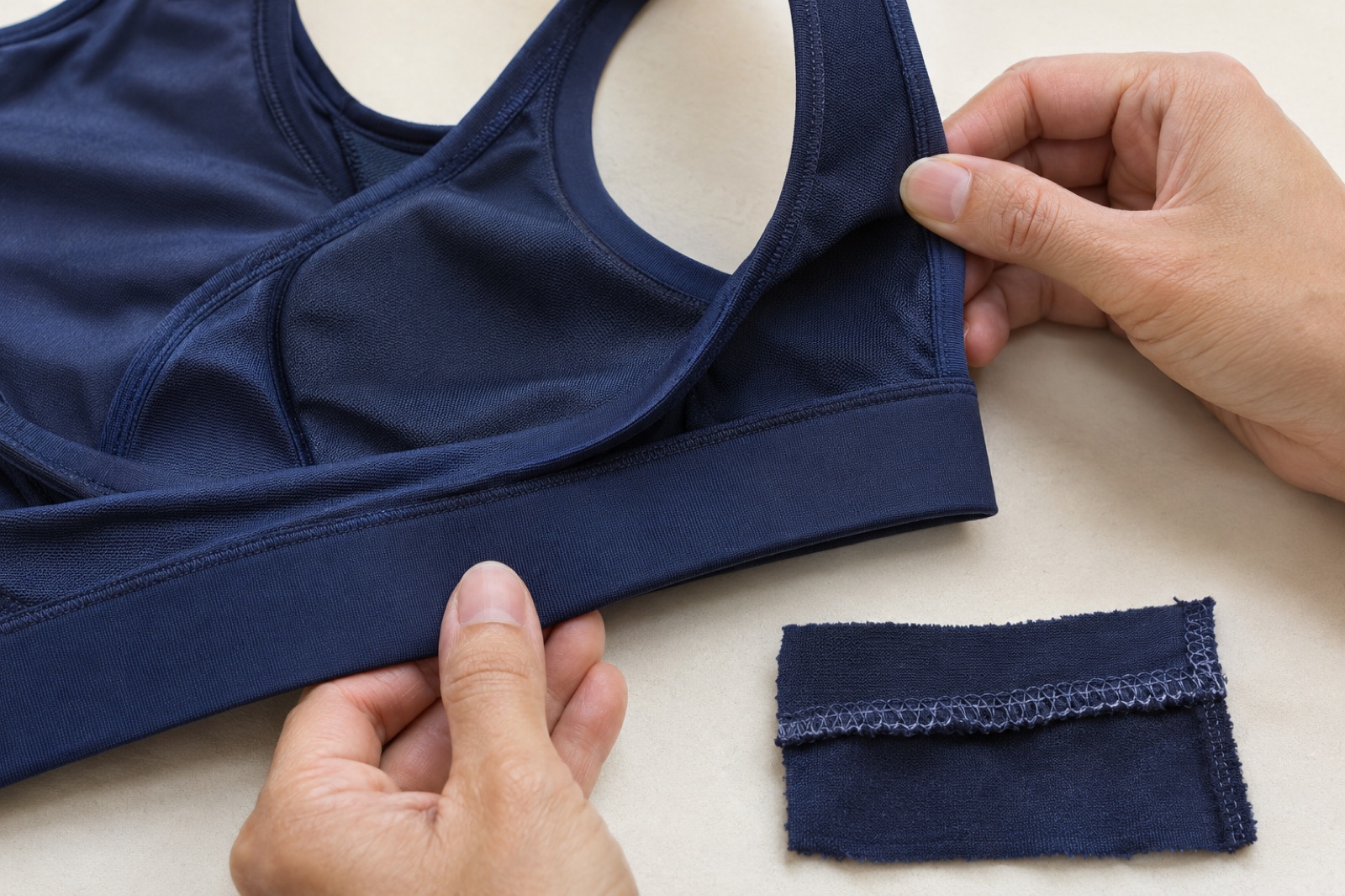
    Illustrative inspection of sports-bra elastic and seam edges

    Check the interaction of friction, moisture, pressure and rough construction. Sweat residues and repeated movement can aggravate a seam that felt soft when dry. Run a finger along the inside underband, side wings and strap edges while the garment is off the body.

    • Map the hot spot: note the precise location, the movement and whether the garment was wet. Inspect ridges, cut edges, exposed elastic and abrasive thread ends.
    • Reduce friction on intact skin: use a suitable product according to its directions if needed. The American Academy of Dermatology’s friction guidance includes protecting problem areas and stopping when discomfort or redness develops.
    • Flatten the assembly: check that the band and elastic lie flat. Compare enclosed elastic, a smoother seam finish or a repositioned edge during development.
    • Reassess after washing: inspect changes in hand feel, curling and seam exposure. A flatlock or seamless label does not guarantee that a finished garment cannot rub.

    A planned 20-minute wear check can reveal changes over time. If a spot becomes hot or stings within 10 minutes, end the test then; do not wait for the planned finish. These times structure an observation, not a medical diagnosis.

    Redness without an obvious rubbing point is not enough to diagnose chemical sensitivity. Remove the garment and obtain advice when needed. Check any STANDARD 100 claim through the official label lookup, while keeping substance testing separate from individual tolerance.

    7. Separate Wicking, Drying and Care Problems

    A fabric feeling wet against the body does not identify one failed chemical finish. Moisture transport depends on fibre surface, yarn, knit channels, finishing and the environment. Wicking and drying are different properties; a material can spread water while remaining wet in humid air.

    • Document the clammy stage: record when cling begins, the workout, temperature and humidity. Compare a clean sample and the current garment under similar conditions.
    • Review care: rinse promptly where permitted, with within 30 minutes as a practical routine rather than a mandatory technical limit. Follow the care label and use compatible detergent. Avoid fabric softener when the garment maker instructs this; deposits can interfere with moisture-handling performance.
    • Protect the elastic: use the specified drying method and avoid excessive heat. Air drying may be suitable for many styles, but follow the garment’s instructions. Odour is not proof that elastane has been thermally destroyed.
    • Retest before replacement: if the garment still feels heavy after correct care, compare water transport, drying and fabric recovery. Persistent wetness alone does not prove that a finish is permanently dead. Mechanical capillary structures such as textured or honeycomb knits also require performance evaluation.

    For development, distinguish AATCC TM197 vertical wicking to specified distances from moisture management and drying methods. Specify the method, conditioning, direction, endpoint and wash stage before comparing reports.

    8. Compare Dynamic and Static Performance

    Illustrative activewear lunge test observed by a fit technician

    Repeat the test in a suitable exercise environment, with movements matched to your ability. A dry standing fit does not establish how a garment will behave after warming up. Test one garment or revision at a time and keep the starting conditions comparable.

    Test A — six minutes of dynamic movement

    Use 30 seconds of activity / 30 seconds of rest for six cycles, totalling six minutes. Appropriate options include high knees, skipping or cycling; use comfortable step-ups or incline walking when lower impact is preferable. They are alternatives, not a guarantee of equivalent heat or exercise intensity.

    Observe waistband movement as moisture and activity increase. Moisture can alter friction at the skin–fabric interface; saying it “lubricates elastane” oversimplifies the mechanism. Compare the starting position with the end of the interval block.

    Test B — six minutes of controlled stretch

    For another six minutes, use comfortable versions of a deep lunge, forward fold or pigeon-style position, where suitable. Repeat an eight-hold sequence of 45 seconds, choosing sides and movements consistently. Use shorter holds or a supported alternative when necessary and record the change.

    Look for fabric grin-through, seam pressure, band folding and strap movement. Transparency can reflect excessive extension, low cover factor, colour or construction; it does not prove incorrect grading by itself.

    Log the exact failure point

    • Adjustment frequency: more than one adjustment per minute is a practical trigger for review, not proof of a single rise defect.
    • Change over time: compare minute 1 with minute 4. A stable band that later slips calls for a review of wet friction, garment dimensions and elastic recovery.
    • Strap angle: if straps move during a fold, inspect length, adjustment security and anchor spacing before changing the pattern.
    • Longer use: extend the observation where needed. A garment that passes dry checks but fails after 10 minutes of cardio needs a repeatable wet-use investigation, not an automatic diagnosis of low-modulus elastane.

    Keep, alter or replace

    Keep: intended movement is comfortable, the fabric stays opaque and placement is stable without repeated adjustment. Alter or revise: the issue is a clearly identified, feasible change such as strap length. Replace or redevelop: coverage, recovery or pressure remains unsuitable after correct sizing and adjustment. Link sample comments to the sample-approval stage before releasing bulk.

    Troubleshooting Five Common Fit Failures

    Illustrative garment and material references for fit troubleshooting

    Making a slipping garment smaller can add tension without improving its anchor. It can also reduce opacity or increase pressure. Use each symptom to narrow the investigation, then verify the proposed correction.

    1. Leggings become see-through

    Check: actual extension, colour, surface coverage and local pattern tension. Materials below 220 GSM deserve careful screening, but heavier materials can also fail.

    Correct: return to the appropriate size, compare a denser interlock or double-knit construction and repeat the same light-and-movement check. A fist or knuckle test inside a leg is a quick screening aid; uncontrolled hand stretch is not a standardised squat-proof certification.

    2. A high-rise waistband rolls down

    Check: torso-to-rise compatibility, band stiffness, elastic dimensions and the way the panel folds during bending.

    Correct: compare a mid-rise or different rise curve, an appropriate bonded waistband, or enclosed elastic. A soft folded edge may work on another style. If safe for you, repeat three burpees or the same comfortable bending sequence. Check both stability and pressure rather than declaring every flat band correct.

    3. The sports-bra band rides up

    Check: band size, elastic recovery, cup volume and excessive strap tension. Permanent rippling or distortion can indicate deterioration, but first assess the correct size and adjustment.

    Correct: replace a worn unit or compare a properly fitted higher-support design. Encapsulation or combination cups may help; no construction label guarantees the result. Repeat 10 jumping jacks where suitable and log band shift against the illustrative 1-inch screen together with movement comfort.

    4. Chafing persists despite a barrier product

    Check: seam bulk, rough edges, moisture, residues and concentrated pressure. Stop at pain or skin damage.

    Correct: assess a smoother flat seam or seamless area, and launder according to the care instructions. Do not assume a white-vinegar soak is suitable for every elastic, dye, coating or trim. Use only a care method approved for the garment; a rinse can remove soluble sweat salts without an unapproved acid treatment.

    5. Sweat handling seems worse than before

    Check: detergent or softener residue, repeated wear without adequate cleaning, wash conditions and environmental changes.

    Correct: use the maker’s recommended detergent and rinse procedure, avoid incompatible softeners, and follow drying directions. A sports detergent is an option when permitted. Vinegar is not a universal reset treatment; compare performance after care before deciding whether replacement is needed. Brooks’ sports-bra care guidance also cautions against fabric softener.

    Know When to Retire the Garment

    • Loss of recovery: the band remains stretched or rippled instead of returning to its previous dimensions after rest.
    • Permanent distortion: a bra underband stays curled or twisted, or damaged components cannot be repaired appropriately.
    • Repeated migration: more than three adjustments in a warm-up warrants reassessment. It is a review trigger rather than an automatic expiry rule.

    Trust the measurement and repeat wear evidence. Slipping may result from excess size, excess local tension, an unsuitable block, wet friction or weak elastic. Tightness alone cannot distinguish those causes.

    Questions About Activewear Fit Issues

    Why do leggings slide down even when they feel tight?

    A garment can be stretched firmly over the hips while the waistband still lacks an effective anchor. Review rise balance, waist-to-hip shaping, elastic force and recovery. Start from the hip measurement and actual size chart; do not keep sizing down simply to increase the sensation of compression.

    Which fabric specification should I request for squat-proof leggings?

    Evaluate a nylon/elastane interlock around 220 GSM or higher as one starting candidate. Materials below 200 GSM can need particular attention to coverage, but neither range is a universal pass/fail. Polyester jersey is not automatically unsuitable, and high-gauge knitting alone does not prove opacity. Require the selected colour and size to pass a defined stretch, lighting and wear evaluation.

    How often should I replace a sports bra?

    A 6–12-month review interval is a reminder to inspect a regularly used bra, not an expiry date for every weekly wearer. Sportxia has observed a noticeable reduction in recovery after 30–40 wash cycles in durability testing on some constructions. That company experience does not establish the lifespan of every fibre blend. Replace when fit, support or component condition is no longer suitable; tightening the straps cannot restore worn elastic.

    Why is a medium different between brands?

    Brands select different target customers, fit models, base patterns and grading rules. A US-labelled medium may differ substantially from another supplier’s XL, but there is no fixed US-to-Asian conversion. At Sportxia, confirm the client’s chart in centimetres or inches, how each measurement is taken and the difference between body and finished-garment dimensions.

    Can I manage a rolling waistband without sewing?

    Some styles respond to an even drawcord adjustment or a compatible change of underlayer. Folding a soft band changes its height and can create pressure or cover a drawcord, so try it only when it remains comfortable and functional. These are reversible trials; a persistent rise or elastic problem needs another size, design or properly assessed alteration.

    Turn Fit Observations into a Production Decision

    The useful outcome is a controlled record: actual body dimensions, garment measurements, a repeatable movement and the proposed material or pattern correction. Our experience reviewing thousands of samples informs this approach within Sportxia’s 16,000 m² Hangzhou manufacturing programme; it is not a substitute for the evidence applicable to your style.

    Real garment inspection work from the Sportxia factory photograph library
    • Measurements saved: waist, hip and underbust, with units and repeatable landmarks.
    • Coverage checked: the selected colour at relevant extension and recorded light conditions, including the brighter flash or task-light screen.
    • Cause investigated: distinguish material cover and recovery from rise, elastic, seam or grading issues.
    • Bra fitting order applied: band, then cup capacity and straps, followed by activity-specific evaluation.

    For a brand managing fit-related returns, decide which person owns the correction. Our technical designer versus fashion designer guide explains the difference between visual direction and production-ready specifications. Use the product-development approval process to control revised samples rather than issuing disconnected comments.

    Send the material reference, measured points, fit photographs and movement observations through our manufacturing services discussion. Standard planning ranges are 7–15 days for sampling and 15–30 days for bulk, subject to the agreed programme and approvals.

    FACT CHECKED&EDITORIAL GUIDELINES

    Reviewed November 4, 2026. Sample-review experience, the cotton/nylon 6.6 comparison and the 30–40-wash observation are company-reported. Movement counts, times and material ranges are screening examples, not universal certification thresholds. Fit photographs illustrate the process; the factory-library photograph shows real inspection work. Send a correction.

    READY TO IMPROVE YOUR NEXT FIT SAMPLE?

    Build the Correction into the Specification

    Share your garment measurements, intended sport and sample observations. Sportxia will help define the pattern, material and approval checks for your project.

    Discuss Your Sportswear Project
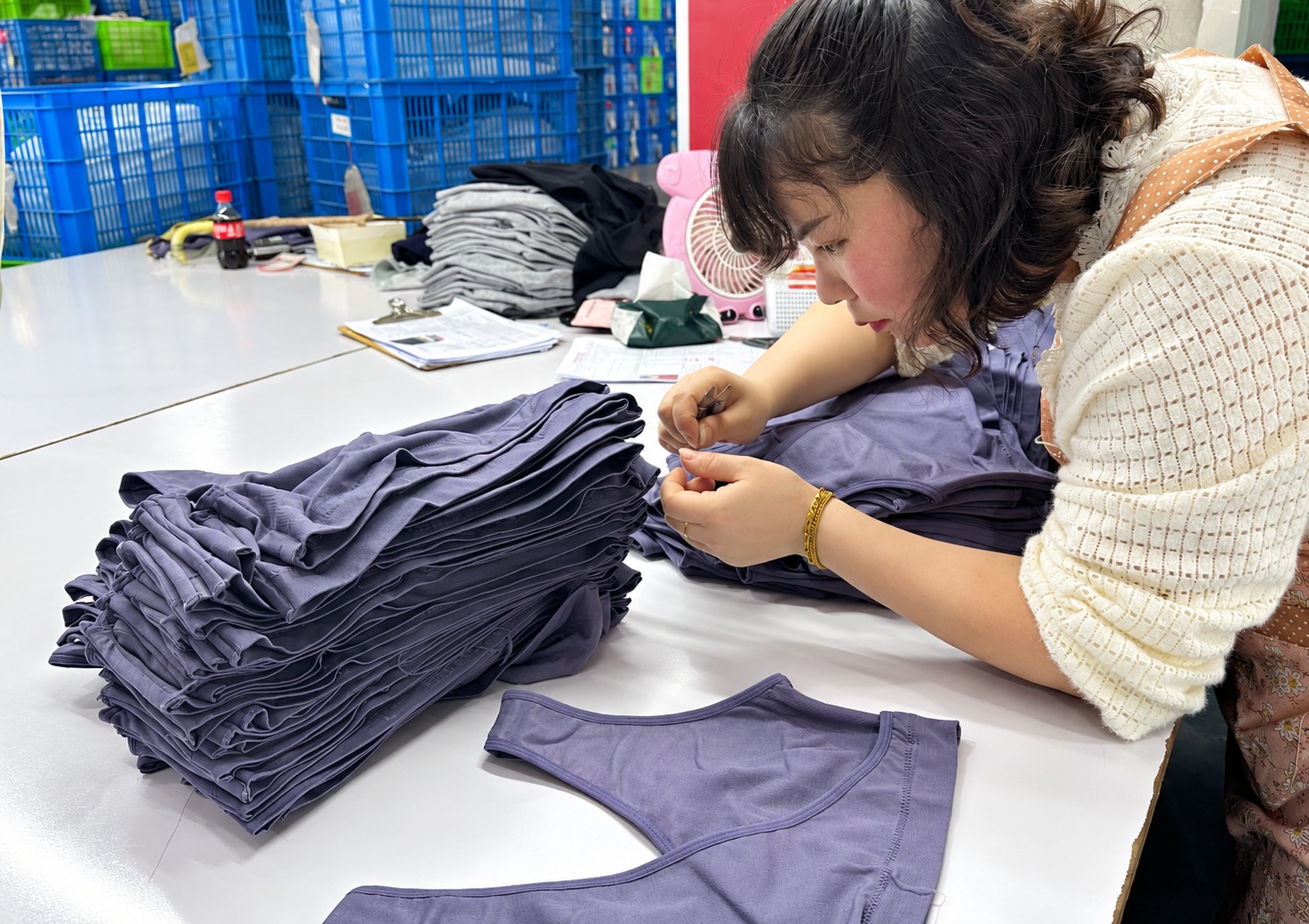
  • 10 Questions to Ask a Clothing Factory Before You Order

    10 Questions to Ask a Clothing Factory Before You Order

    SPORTXIA
    Inquire Now
    HOW TO GUIDE

    10 Questions to Ask a Clothing Factory Before You Order

    Get specific answers about capability, minimums, sampling, lead times, quality and commercial terms—and ask for the evidence behind each answer.

    Real garment cutting room from the Sportxia factory photo library
    10 QUESTIONSTO ASK YOURFACTORY

    The most useful questions to ask a clothing factory turn broad promises into verifiable production decisions. Ask who performs each operation, what the quote includes, which minimums apply and how the order will be inspected. Then connect the answer to a document, physical sample or live demonstration.

    At Sportxia, a sportswear brief needs to connect stretch-fabric behaviour, construction and fit to the proposed order. Machinery names and certification logos can start the discussion, but the relevant material, sample, current records and written terms establish what the supplier is committing to deliver.

    Use these ten questions for comparable supplier conversations. The sample answers below illustrate the level of detail to request; quantities, prices and policies must be confirmed in your own quotation. For the document and site checks behind the conversation, follow our clothing manufacturer verification guide.

    A Practical Ten-Question Factory Interview

    Give each candidate the same product brief and ask the questions in this order. Record the answer, supporting evidence, open issue and person responsible for resolving it. A delayed answer may need follow-up; an essential identity, safety or inspection-access issue should remain on hold until it is resolved.

    1. Which similar products do you make, and which operations do you control?

    Real garment machinery area from the user factory photo library

    Why ask: a factory experienced in cotton tees may need different equipment, thread handling and technicians for high-compression nylon/spandex. Identify control over cutting, flatseam sewing, printing and the actual production line.

    What a detailed answer sounds like

    A supplier might identify 10 seamless-knitting lines using Santoni equipment, a Monti Antonio sublimation calender, the relevant cutting/sewing operations and purchased components such as YKK zippers. Ask which machine models, site and processes will be used for your order, and request evidence of a 4-needle, 6-thread operation if the garment needs it.

    A sublimation calender transfers a print under heat; it is not the same machine as the digital inkjet printer that produces the transfer paper. A specialist component supplier is also different from an undisclosed garment-production subcontractor.

    Request: a directed live production call or dated process evidence, a recent relevant sample set and a list of approved partners. See Sportxia’s cut-and-sew development scope when forming the process questions.

    2. Is the quote CMT or full package, and what have you included?

    Illustrative full-package fabric, trims, labels and packing scope

    Why ask: CMT usually leaves the buyer responsible for agreed inputs such as fabric, trims and patterns, while a full-package supplier coordinates more sourcing and manufacturing work. The labels do not define every commercial inclusion. Use a responsibility matrix.

    A useful scope statement

    “The price covers sourcing the selected 250 GSM nylon/spandex, lab dips, garment assembly, approved heat-transfer labels, individual bags and final packing. The buyer supplies the released technical file and artwork. Testing, special trims and freight are listed separately where applicable.”

    Request: an itemised material/labour quote, included development work and a sourcing record for the proposed mill. A name such as Carvico or a local equivalent must refer to the actual article and commercial supply arrangement, not an unsupported logo on a presentation.

    3. What is the minimum for this style, colour, size mix and fabric?

    Illustrative material colour and minimum-order planning

    Why ask: a headline minimum of 100 units may coexist with a 500-unit-per-colour material or dye commitment. Separate garment sewing minimums, custom colour commitments and component minimums.

    A minimum that can be costed

    An illustrative offer could state 300 pieces per custom-dyed colour across four sizes, or 50 pieces per style from available black, navy or white fabric. A separate 50-piece paid pilot might use approved stock materials. Ask whether size and colour combinations are permitted and how repeat availability will be controlled.

    Illustrative quantity tiers — compare the same specification
    Illustrative quantity tiers — compare the same specification
    QuantityExample unit priceConfirm before comparing
    100 units$15Same approved style/material/decoration and delivery basis
    500 units$12Check material commitment, size/colour allocation and included charges

    Request: a written MOQ matrix and quantity price breaks. The table’s 100 units at $15 each and 500 units at $12 each are comparison examples, not current Sportxia prices.

    For Sportxia, the previously confirmed starting points are 100 pieces for standard custom programmes and 50 pieces for suitable printed private-label programmes. Confirm the style, colour, size split and material basis in the actual quote.

    4. What does sampling cost, how do revisions work and who owns the files?

    Illustrative prototype and pattern revision review

    Why ask: a sample fee alone does not establish revision entitlement, refund conditions or ownership of every development asset. Agree what is being commissioned and which deliverables will be released.

    An example to negotiate explicitly

    “The development sample is $100 per style, including two fit-revision rounds. It is credited against a bulk order over 300 units, subject to the listed conditions. Ownership, permitted reuse and delivery of paid CAD patterns and technical-file updates are set out in the development agreement.”

    Request: the sample invoice, additional-revision charges, credit/refund conditions and a written file-ownership clause. Ask which graded pattern files, compatible .dxf exchange files, .rul grade-rule files and decoration digitising files are included. These formats serve different purposes; confirm that a receiving developer can open the supplied files.

    Record whether any existing factory block, licensed artwork or third-party component is excluded from an ownership transfer. Use our sample-stage guide to give each prototype, fit and pre-production decision its own identifier.

    5. Which technical files do you need for a reliable quote?

    Sportswear technical package with drawings and material references

    Why ask: a photo can support an early estimate, but a firm comparable quote needs a defined material, construction, size range and order scope. Missing inputs should appear as assumptions or open development work.

    A quote-ready request

    “Please send the technical pack in a readable PDF with the measurement/BOM data in an agreed editable format. We need fabric composition and GSM, seam and stitch requirements, the measurement method and tolerances, artwork dimensions, labels, packaging and the quantity matrix. Any paid technical-development support will be scoped separately.”

    Request: the factory’s specification template and an example of its revision process. Build the file with our sportswear tech pack guide, which includes a checklist and editable template.

    6. What are the dates for every stage, through delivery?

    Illustrative production timeline and material planning

    Why ask: “30 days production” may exclude material development, colour approval, buyer feedback, testing, inspection and transport. Ask which event starts each interval and whether dates are working or calendar days.

    Example sequential plan to ex-factory readiness
    Example sequential plan to ex-factory readiness
    StageDaysRelease or dependency
    Lab dips / Colour approval7Approved colour on selected material
    Fabric development / Production / Dyeing20Material booking and required approvals
    Pre-production sample approval3Actual approval scope and buyer response
    Cutting and sewing15Released technical file and bulk materials
    Finishing and packing5Inspection and packing/release requirements
    Total ex-factory50Transport, customs and receiving still to be scheduled

    This sequential example totals 50 days ex-factory: 7 + 20 + 3 + 15 + 5. Transport and import/receiving stages remain additional. A real critical path may overlap some work, but it must identify dependencies rather than subtract time without an approval plan.

    Request: a dated milestone or Gantt plan showing sourcing, lab dips, PP approval, cutting/sewing, finishing, inspection, shipping and buyer response owners. For Sportxia, current planning ranges are 7–15 days for samples and 15–30 days for bulk production, with the programme, materials and approvals confirmed separately.

    7. Which inspection plan will govern this purchase order?

    Real garment inspection work from the user factory library

    Why ask: “high quality” is not an acceptance criterion. Establish defect definitions and the full sampling plan under the agreed standard, such as ISO 2859-1, whose current edition is 2026.

    A measurable QC response

    “We identify which features are checked on 100% of units inline, retain the records and use the agreed final sampling plan. An example is General Inspection Level II, AQL 2.5 for major defects and 4.0 for minor defects, with no acceptance of identified critical hazards. The lot size, sample size, acceptance/rejection numbers and release authority are written into the order.”

    • Critical: define hazards such as needle fragments and sharp components, with the necessary preventive controls.
    • Major: define open seams, unacceptable colour and failed critical measurements.
    • Minor: define permitted cosmetic departures and their classification.

    A blanket ±2 cm sizing allowance is not a substitute for point-specific tolerances; it may be unsuitable for a compression zone. State the agreed value for each POM.

    Request: the actual QC checklist, a redacted inspection report, defect examples and agreed access for an independent inspector. AQL parameters do not guarantee that an entire delivered lot has that percentage of defective garments. Resolve inspection access before releasing the order.

    8. What evidence supports the product’s compliance and material claims?

    Illustrative material swatches and laboratory-report review

    Why ask: the required evidence depends on the product, intended wearer, market and claim. Ask about the relevant restricted substances, colourfastness and mechanical requirements rather than requesting a generic “compliance certificate.”

    Look for a product-specific evidence chain

    A useful response identifies the actual site and any ISO 9001 management-system scope, the supplied material and relevant OEKO-TEX STANDARD 100 coverage, and applicable laboratory reports. For EU supply, identify the relevant REACH obligations. For US products, establish which CPSC/CPSIA requirements apply, including the specific requirements for children’s products where relevant.

    Request: complete certificate scope, official verification results and reports whose material, colour, test method and intended product match the order. Confirm the identity and scope of reports from laboratories such as Intertek, SGS or Bureau Veritas. One report or a certificate logo does not establish every safety claim.

    Use the official-database verification steps to check holders, validity, product scope and traceability.

    9. What does the delivered price include, and when is payment due?

    Real carton warehouse from the user factory library

    Why ask: compare the same garment, quantity, delivery point and buyer-borne costs. Identify material consumption, testing, development, packing, transport, duty and handling assumptions.

    A comparable commercial example

    “The product is $12.50 FOB Shanghai, Incoterms 2020. A separately scoped alternative is $15.00 DDP to the named warehouse, with the destination and included charges stated. The proposed payment schedule is 30% deposit / 70% balance, linked to the agreed inspection and shipment-release conditions.”

    Those values illustrate a quotation structure. They are not current Sportxia prices. Avoid a location as broad as “FOB China”: state the named port or place and edition. Agree insurance separately where the chosen rule does not impose it.

    Delivery-rule questions to resolve in the quotation
    Delivery-rule questions to resolve in the quotation
    RuleScope to identifyImportant distinction
    FOBNamed shipment port; applicable sea/inland-waterway transactionRisk transfers on board at shipment; buyer arranges main carriage. FCA may suit container/multimodal handover.
    CIFNamed destination port; sea/inland-waterway transport and prescribed insuranceSeller pays stated freight/insurance but risk transfers at shipment, not warehouse arrival.
    DDPNamed destination and seller import/duty responsibilitiesConfirm lawful import arrangements, unloading boundary and included costs; insurance is not automatically mandatory under this rule.

    Request: the proforma invoice, complete cost scope, named destination/port and payment milestones. Use the ICC rule-selection guidance to choose a term suited to the actual route. DDP does not remove product obligations or guarantee fast clearance; identify who can perform the import role.

    10. How will you resolve defects and delivery-related claims?

    Illustrative zipper and garment quality-claim review

    Why ask: a fault affecting, for example, 15% of zippers needs a recorded investigation and remedy. “We will improve next time” does not define what happens to the affected delivery.

    A written claims workflow

    An example policy asks for initial evidence within 14 days after delivery, identifies affected quantities and sample/lot IDs, then defines the agreed remedy: remake affected units with the stated freight responsibility, refund or credit the relevant value, or reimburse an approved local repair. The agreement must state eligibility, review dates, costs and the treatment of latent defects and applicable rights.

    Request: the written claims/RMA procedure, inspection-to-release conditions, named decision-maker and dispute route. Agree how evidence is retained and who approves repair or disposal. A failed inspection is handled under the agreed sampling and contract terms; do not reduce it to a universal “defect percentage exceeds AQL” shortcut.

    Score the Answers, Then Resolve the Gaps

    Score each of the ten questions from 0–2, for a maximum of 20. This is an editorial screening rubric, not an independent factory certification.

    A 20-point screening rubric — evidence supports each score
    A 20-point screening rubric — evidence supports each score
    Points per questionEvidence statusFollow-up
    0Unclear or unsupported answer; essential evidence unavailableRecord the gap and hold the relevant approval
    1Plausible verbal response with documentary evidence outstandingAssign owner and deadline for verification
    2Specific answer supported by relevant current evidenceConfirm scope and record the file/reference

    Below 12: hold the supplier until material gaps are resolved. 12–14: request targeted follow-up evidence before a controlled pilot. 15 or more: consider sampling when essential requirements are met. A high total cannot override an unresolved identity, safety, payment or inspection-access issue.

    Apply the same questions to Sportxia. Request our actual process responsibilities, current material and QC records, and the scope of any DDP programme. A claim to own knitting machines, a dye house or logistics permissions must be supported for the relevant entity and site; a self-awarded perfect score is not a substitute for those records.

    Adjust the Interview to Your Business Model

    A start-up ordering 100 units, an individual-order fulfilment business and a team kit with a fixed opening date have different bottlenecks. Keep the core checks and change the emphasis of the conversation.

    Scenario A. Start-ups and Small Collections

    Constraint: limited budget and an unproven demand forecast. Committing to a lower unit price can leave 400 unsold units if the quantity was chosen to satisfy a tier rather than customer demand.

    Ask: can a 50–100-unit paid pilot use available material; can size and colour combinations meet the minimum; and what revisions are covered? Request the current stock-fabric card and repeat-availability conditions.

    A custom mill may quote a commitment of 1,000+ yards, depending on the material and process. Stock fabrics can support smaller orders and avoid some custom-development time. They still need approval for composition, weight, colour, recovery and coverage.

    Scenario B. E-Commerce and Dropshipping

    Constraint: the customer receives the garment without your own receiving inspection. Verify the pick-and-pack operation as carefully as sewing.

    • Does the WMS or equivalent control scan and reconcile each unit and shipment?
    • Can packaging follow the agreed blind-shipping presentation while retaining legally required origin, sender/return and product information?
    • What is the dispatch SLA, and under which stock, cut-off and working-day conditions would a 24-hour target apply?

    Ask for an order-to-tracking demonstration, exception handling and returns responsibilities. Handwritten labels are a process risk to examine, not proof that every address will be wrong. Sportxia supports individual-order dropshipping on agreed programmes; confirm inventory ownership, systems, dispatch scope and branding separately.

    Scenario C. Teamwear and Fixed Event Dates

    Constraint: the first match or season opening is immovable. Delivery planning and safety/quality requirements both need a defined approval path.

    Ask: what is the final roster/artwork cut-off, which transport route is booked, what happens if a milestone is missed, and can a suitable named-destination DDP service be offered? DDP does not eliminate customs procedures or the need for a realistic contingency.

    Scenario D. Brands Making Sustainability Claims

    Constraint: the proposed marketing claim must match the material and supporting supply chain. Ask for current GRS scope, the relevant transaction certificate or equivalent authorised shipment record, and traceability to the goods being purchased.

    Separate certification of finished textile materials from chemical-input assurance. OEKO-TEX ECO PASSPORT concerns textile/leather chemical products; STANDARD 100 concerns testing covered textiles and components for harmful substances. Asking whether a dye is “STANDARD 100 certified” confuses those scopes.

    Verify the issuer, status, scope and applicable claim conditions before writing recycled, organic or other environmental claims onto the label.

    Size Grading for a Diverse Customer Base

    A range such as XS–4XL needs fit development across the intended bodies, not just a uniform enlargement from Small. Ask which grade rules control rise, shoulder, armhole and compression zones, and whether separate fit models or blocks support XL+.

    Request the POM methods, size-set evidence and point-specific tolerances. ±1 cm can be a negotiating example for a particular measurement; it is not a universal quality boundary. The acceptable range depends on fit impact, fabric and measurement method.

    Use One Audit Checklist for Every Candidate

    Download the editable scorecard to record all ten answers, the evidence reference, a 0–2 score, open actions, owner and due date. Keep the supporting documents in a controlled folder and use the same product brief when comparing candidates.

    For overseas production with significant exposure, consider both a pre-order capability audit and a suitable final inspection. They address different risks. Define the scope and follow-up; an inspection helps manage risk but is not an insurance policy or a guarantee that every defect will be found.

    Questions Buyers Ask About Factory Vetting

    What MOQ should a new sportswear brand expect?

    A custom-dye discussion may involve 100–300 pieces per colour, while available fabric can support a 50–100-unit style in some programmes. These are examples, not universal minimums. Sportxia’s confirmed starting points are 100 custom pieces and 50 pieces for suitable printed private-label programmes; check style, colour, fabric and component commitments in the quote.

    What do AQL 2.5 and 4.0 actually determine?

    They are inputs to an agreed sampling scheme, often selected for major and minor defects respectively. Lot size, inspection level, sample size, acceptance numbers and defect definitions are also required. A statement such as “1,000 leggings, more than 21 major defects” cannot be derived from the AQL value alone and must not be used as a standalone acceptance rule. Use the applicable standard tables and agreed plan; identified critical hazards need separate zero-acceptance controls.

    How do factories, trading companies and sourcing agents differ?

    A factory operates manufacturing processes, a trading company sells or coordinates goods, and an agent works within an agreed representation scope. All can be legitimate when roles, sites and accountability are clear. A 15–30% markup can be explored as a comparison scenario, but it is not a verified universal trading-company charge. Compare delivered value and evidence rather than infer the business model from a refusal to film a particular area.

    How long should samples and bulk production take?

    Plan from the actual route and material readiness. A generic example of 10–14 sampling days + 30–45 bulk days + 7–15 air-transit days adds to 47–74 days if sequential and measured on the same calendar basis. A 60–75-day headline requires its own calendar and allowances; it is not the arithmetic total of every case.

    Sportxia’s confirmed planning ranges are 7–15 days for sampling and 15–30 days for bulk, subject to the selected programme and approvals. A claim of two weeks for everything needs scope verification; ready-stock decoration and new custom development are different jobs.

    Should I commission an audit, a pre-shipment inspection or both?

    An audit before commitment can investigate capability, records and labour conditions. A PSI/FRI examines the defined goods at the agreed production and packing stage. A request to inspect at 80% packed should be checked against the service scope; many final-inspection arrangements require production complete and a specified packing threshold. Do not assume the percentage alone defines a valid final inspection. Prioritise the unresolved risk and obtain a scope-specific proposal.

    Is FOB or DDP better for a US-bound order?

    Choose according to route, import capability and cost transparency. DDP puts specified destination-delivery and import obligations on the seller, but those obligations must be feasible and documented. FOB is a sea/inland-waterway rule with risk transfer on board at the named shipment port; FCA may fit container or multimodal handover better. A delivery term does not remove the importer’s legal responsibilities or determine every product-compliance obligation.

    How do I protect technical files and designs?

    Define confidentiality, authorised use, ownership, file delivery and subcontractor access before development. NDA or NNN provisions should fit the parties, jurisdiction and transaction; an NNN title is not automatically stronger or enforceable in every case. Paying a sample fee does not automatically transfer all IP. Specify patterns, artwork and technical updates in the written development terms.

    What should be complete before I pay a deposit?

    Obtain the proforma invoice/order terms, verified counterparty and beneficiary details, released specification and revision, material/colour scope, quantities, named delivery rule/place, payment milestones and relevant approval/inspection conditions. Confirm a business registration and any affiliate/export-agent relationship. A stamped tech pack can record acknowledgement, but the signature or chop must be connected to the authorised contracting party.

    Ready to discuss a defined sportswear programme? Contact Sportxia with your product brief, quantity matrix and target delivery date, then use the same evidence standard for our proposal.

    FACT CHECKED&EDITORIAL GUIDELINES

    Reviewed November 3, 2026. Anonymous buyer examples and the event-programme artwork buffer are company-reported. Sample answers, prices, capacity descriptions and commercial terms illustrate what to ask and require an order-specific agreement. Send a correction.

    READY TO TURN THE ANSWERS INTO A PRODUCTION PLAN?

    Bring Us Your Product Brief and Questions

    Discuss the style, material, sample scope, quantity and deadline with Sportxia. We will help define a quote and the evidence needed for the next decision.

    Discuss Your Sportswear Project
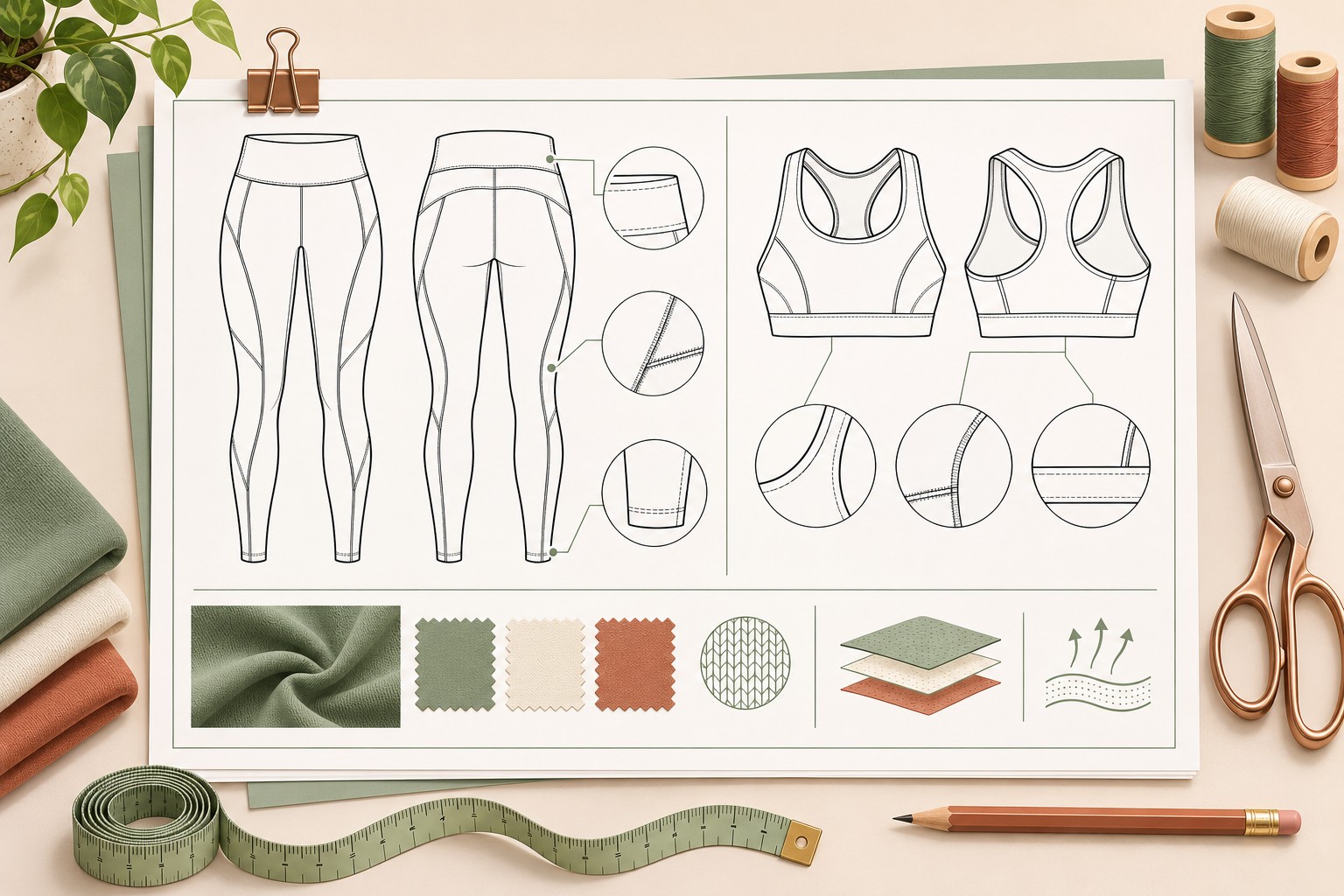
  • How to Verify a Clothing Manufacturer: A Step-by-Step Guide to Avoiding Scams

    How to Verify a Clothing Manufacturer: A Step-by-Step Guide to Avoiding Scams

    SPORTXIA
    Inquire Now
    HOW TO GUIDE

    How to Verify a Clothing Manufacturer: A Step-by-Step Guide to Avoiding Scams

    Check who takes your order, where it will be made and which evidence supports the promised quality—before committing to production.

    Real garment production floor from the Sportxia factory photo library

    A certificate PDF can support a supplier review, but it cannot establish manufacturing capability on its own. You need to connect the legal seller, payment instructions, production site, material sources and inspection records to the order you actually intend to place.

    In one supplier review reported by Sportxia, an ISO 9001 document looked convincing until its holder was compared with the beneficiary on the proforma invoice. The entities did not match. That finding required an explanation and independent verification before the document could support the proposed transaction.

    This guide explains how to verify a clothing manufacturer through ten connected steps. It follows the evidence-led approach used in Sportxia’s sportswear manufacturing programme: verify identity, check relevant credentials, observe operations and test the approved specification before increasing the order.

    Use the IAF CertSearch database and the relevant issuing body when checking accredited management-system certificates. An ISO 9001 certificate concerns the stated management-system scope; it is not a product-performance guarantee. Keep a dated record of what you verified and what remains unresolved.

    What You Need Before You Start

    Prepare the evidence request and inspection conditions before discussing a deposit. A well-organised supplier should be able to explain who owns each document, which site it covers and how access will be arranged. A delayed response is a follow-up item, rather than proof of dishonesty by itself.

    When a lead comes from an exhibition, our sportswear trade show sourcing guide explains what to collect at the booth, how to organise follow-up and when to verify the evidence before committing to a pilot.

    1. Build the paper trail

    • Business registration: legal name, registration identifier and the relationship between registered office and operating factory.
    • Invoice and payment details: the contracting entity, beneficiary and any disclosed collection or export arrangement.
    • Certificate files: include scope, annexes, site details, issuer and validity dates.
    • Factory profile: process capability, machinery counts, capacity and current workload.
    • Subcontractor list: identify outsourced dyeing, printing, embroidery and other relevant operations.

    2. Agree access and standards

    • A live walkthrough that includes cutting, production, QC and the warehouse.
    • Written access for an agreed independent inspection or audit.
    • A defined inspection plan, including any chosen AQL 2.5 parameter for major defects.
    • A shared evidence folder with version history, controlled access and retained copies. An ordinary cloud folder is not automatically immutable.
    • A tape measure, suitable scale and, when required, a GSM cutter with a defined fabric-mass procedure.

    Start with official sources: OEKO-TEX Label Check, the GOTS supplier database and amfori’s platform guidance. Step 4 explains what each record can support.

    If the supplier will not identify a responsible QC contact or agree a workable inspection route, hold approval until those controls are resolved. Use the manufacturer sourcing and first-PO guide to connect this review with the wider buying process.

    If an agent will perform these checks for you, define the evidence, site access and corrective-action follow-up in their scope. Our guide to evaluating an apparel sourcing agent compares fee models with the technical oversight and independent checks your project needs.

    Step 1. Draft Your Factory Verification Brief

    Illustrative factory verification brief and material reference

    Send a one-page Factory Verification Brief (FVB) so the supplier answers the same practical questions as every other candidate. “Can you make good quality?” produces little useful evidence. A defined brief gives the supplier a clear capability test.

    Three sections for a one-page factory verification brief
    Three sections for a one-page factory verification brief
    SectionWhat to askEvidence or decision
    Product scopeCategory, construction complexity, material, target quantity and price basisComparable sample/work records and production plan
    Required processesPattern making, cutting, sewing, finishing and any special operationsIdentify in-house work and disclosed process partners
    Non-negotiablesNo unauthorised subcontracting; inspection access; channel-specific packing and fit requirementsWritten acceptance or a documented capability gap

    A seamless activewear programme and a heavyweight hoodie programme require different processes. State whether in-house pattern development and cutting are required, then ask which other operations use approved partners. “No unauthorised subcontracting” is more precise than assuming every component must be made under one roof.

    Adapt the brief to your channel. Amazon FBA programmes need current receiving, bag-warning and barcode instructions. Boutique collections may place greater emphasis on grading and consistent hand feel. Make each requirement measurable and identify its approver.

    Use Sportxia’s cut-and-sew capability information when preparing questions about patterns, cutting and garment assembly.

    Step 2. Check the Physical Operation

    Real garment production corridor from the user factory library

    Confirm what the supplier operates directly and what it coordinates through other companies. A trading company can be a legitimate partner; the risk is an undisclosed or misrepresented production arrangement.

    1. Use platform filters as a starting point. On Alibaba.com, review any Verified Supplier assessment and whether the proposed order qualifies for Trade Assurance. Alibaba describes third-party assessments, but its Verified Supplier information does not replace your product and site checks. Read the applicable order-protection conditions.
    2. Request a live identity check. During the call, ask the operator to show a paper containing your project reference and today’s date, then move to a named work area. Keep unrelated customer information out of view.
    3. Reconcile the location. Compare the disclosed factory address, registration information and a voluntarily shared location pin. A registered office may differ from a manufacturing site; request evidence of that relationship.
    4. Record a 0–5 confidence score. Explain the evidence behind the score. An unresolved identity or payment issue remains a hold condition even if the overall presentation looks strong.

    If you are buying leggings but the call shows denim, ask which line will run your order and how that capability is evidenced. A mixed product floor raises a question; it does not prove outsourcing by itself.

    Step 3. Audit the Proof Packet

    Illustrative legal entity, payment and certificate-scope documents

    Request complete, readable source documents through a controlled folder. A screenshot may help explain an issue, but it should not replace the relevant registration, certificate scope or invoice. Inspect the underlying records rather than their graphic polish.

    • Registration: identify the legal entity and operating site. Reconcile Chinese and English names using registration identifiers and documented translations where appropriate.
    • Payment evidence: compare the invoice beneficiary, bank confirmation and contracting party. Investigate any different collection company, export agent or affiliate before payment approval.
    • Certification: check holder, covered sites, activities, products, annexes and issuer. ISO management-system scope and GOTS product/processing scope serve different purposes.

    Perform a three-way identity match

    Place the business registration, invoice header and certificate-holder record side by side. The objective is a documented, verified chain of responsibility. Names and addresses should either match or have a substantiated relationship; small transliteration differences are not the same as an unexplained unrelated entity.

    A claim that a certificate belongs to a “sister factory” needs more than a verbal explanation. Request the relationship, production role, applicable agreement and evidence that the proposed activity is covered. Hold approval when the actual responsible site cannot be established.

    Step 4. Verify Claims in Official Databases

    Illustrative certificate-check workflow on a generic computer screen

    Search the current issuer or scheme record using the certificate or licence identifier. Save the result, date, covered entity and unresolved questions. Use the original identifier exactly: OEKO-TEX states that its label numbers are case sensitive.

    Official verification routes and their limits
    Official verification routes and their limits
    Claim / RecordOfficial routeWhat to checkScope limit
    OEKO-TEXOEKO-TEX Label CheckExact case-sensitive identifier, status, holder and article scopeA yarn/material record does not automatically certify the finished garment
    GOTSGOTS certified suppliersEntity, sites, eligible products/activities and current scopeCheck shipment transaction evidence where required
    GRS / Recycled claimsTextile Exchange company searchCurrent scope and relevant products/processesScope and transaction certificates answer different questions
    ISO management systemsIAF CertSearch / issuing bodyStandard, issuer, accreditation, organisation, sites and scopeDoes not certify that each product meets every performance requirement
    amfori BSCIamfori platform guidanceAuthorised connection, site, report date and corrective actionsMember/platform access may be required; not a product certificate
    SMETA / SedexSedex SMETAAppropriate audit company, site, report and permitted sharingAn audit methodology, not Sedex certification
    WRAPWRAP facility searchCertified facility, validity and relevant recordCheck the actual covered site
    SA8000SA8000 certification searchOrganisation, covered site and statusContact the responsible scheme/certification body for unresolved questions

    Check scope as carefully as validity

    For OEKO-TEX, a record covering yarn cannot by itself substantiate a finished-legging claim. A material supplier’s certificate can be legitimate evidence within a documented supply chain; it must not be represented as broader certification of an unrelated factory or finished product.

    For GOTS and GRS, distinguish a scope certificate from the transaction evidence required for the certified goods. Scope identifies eligible activities and products. Shipment-linked evidence connects a particular purchase to the claim. Use the relevant scheme’s current procedures and issuing certification body.

    For BSCI and SMETA, request an authorised platform connection or sharing route appropriate to your membership and relationship. For WRAP and SA8000, use their respective facility/certificate search routes. These are different systems, not interchangeable badges.

    Step 5. Execute a Live Technical Walkthrough

    Real digital garment cutting operation from the user factory library

    Arrange a live call during active production. Direct the sequence yourself so the operator connects receiving, cutting, sewing, inspection and packing. Recorded footage can explain a process, but it cannot establish who controls the site today.

    1. Receiving and cutting

    Ask to see roll labels, material codes and batch or lot numbers. Follow one relevant material into the cutting room and inspect spreading, bundle tickets and job identification. Check how different dye lots remain separated. Poor identification increases traceability and shading risk; a loose roll alone does not establish a failed product.

    2. Sewing and machinery

    Identify the proposed sewing line, inline QC point and approved garment reference. Ask about flatseam or overlock capability where relevant, machine maintenance records, grading responsibility and the measurement SOP. Relate the equipment to your actual construction rather than counting machines without a process plan.

    3. Finishing and packing

    Review needle guards, broken-needle control and the agreed metal-detection procedure. Request the prescribed performance-check or calibration records, challenge-piece demonstration where applicable, reject handling and the link to shipment release. Check carton labels against the packing record.

    Look for identified WIP and segregated nonconforming goods. Ask the QC manager to explain how an affected unit is isolated, corrected and released. A hesitant answer merits follow-up; an empty red bin or a particular floor colour is not proof that records are fabricated.

    Issue a findings list with owners, due dates and a corrective and preventive action (CAPA) plan. For material risk, higher exposure or restricted visibility, obtain an independent on-site assessment. Discuss the scope directly with organisations such as SGS or Intertek.

    Step 6. Use Samples to Test Specification Control

    Illustrative sportswear sample and seam measurement review

    Sampling tests whether the supplier can translate your sportswear tech pack into the intended garment. Inspect material recovery and coverage under defined conditions, seam comfort, print edges, puckering and the agreed measurements. Use the garment’s intended movement range rather than an uncontrolled maximum stretch.

    1. Inspect and annotate. Photograph the issue and state the exact change, such as “move the print 2 cm right”, identifying the reference point, size and file revision.
    2. Control the physical reference. Tag the accepted garment with a unique identifier, revision and date. Link it to the specification.
    3. Approve the PPS. A pre-production sample should represent the actual approved bulk fabric, trims, artwork and process. Identify and resolve any remaining difference.
    4. Record the decision. Put the approval and release conditions in writing and reference them in the purchase order or annex.

    Clarify terminology. Suppliers sometimes call an approved reference the “Top Sample,” while TOP often means a top-of-production sample taken from early bulk. Name the exact sample stage and ID so a TOP inspection does not silently replace pre-production approval.

    Use the sample-stage and approval timeline to plan prototype, fit, size-set and PP decisions separately.

    Step 7. Enforce Your Quality Control Plan

    Real garment measurement and inspection work from the user factory library

    Agree the inspection gates, defect definitions and evidence before cutting. Attach the released QC plan to the order terms, including access, reporting, corrective action and who authorises shipment.

    1. Establish three inspection gates

    • Incoming / IQC: inspect and identify fabrics and trims before use.
    • Inline / DUPRO: an agreed checkpoint at around 20% sewn can reveal a recurring measurement or seam issue early. Book it against actual progress.
    • Final random inspection / FRI: inspect at the agreed completion and packing stage before the relevant payment or shipping release.

    2. Define the sampling decision

    Use the agreed edition of ISO 2859-1; its current edition is 2026. If AQL 2.5 is selected for major defects, also define inspection level, lot size, sample size and acceptance/rejection numbers. Set minor-defect criteria separately. AQL is not the percentage of defects you are guaranteed to receive.

    Specify zero acceptance of identified critical hazards and an appropriate prevention/control process. Do not apply AQL 2.5 to critical safety hazards. If the lot fails, follow the agreed hold, sorting, rework and reinspection procedure before release.

    3. Standardise the evidence

    Evidence to capture at each production stage
    Evidence to capture at each production stage
    Process stageWhat to checkStandard / MethodEvidence to capture
    IncomingFabric shadeAgreed D65 lightbox comparisonSide-by-side record against the master; physical colour approval controls
    InlineMeasurementsReleased size specification and POM methodTape-on-garment photograph with actual readings
    InlineStitchingSpecified stitch type, density / SPI and seam requirementsMacro seam photograph and test result where required
    FinishingLabellingCurrent tech pack / Approved label artworkCare-label photograph and verified text
    PackingBarcodesReleased shipping-mark PDF / Receiving specificationScanner result and label record; a beep alone does not verify every field

    4. Keep document and material control connected

    Confirm the production line uses the released tech-pack revision, such as V2 rather than superseded V1. Connect each fabric lot to cut bundles and finished units so an issue can be bounded. Review nonconforming-unit and rework records, including the responsible person and closure evidence.

    Step 8. Audit Ethical Standards and Supply Chain Transparency

    Real production-floor layout from the user factory library

    Review the people and processes behind the approved sample, including the facilities responsible for subcontracted operations. A showroom visit or clean workshop photograph provides limited context; it cannot establish labour conditions or product compliance.

    Request the relevant social-compliance evidence and open corrective actions. SMETA is an audit methodology managed by Sedex; “Sedex certified” is not an equivalent product or factory certification. BSCI, WRAP and SA8000 also have distinct structures and verification routes.

    Obtain a signed subcontractor map identifying dyeing, printing, embroidery and other relevant sites. Link invoices, material article codes, supplier identities and certificate scope to the actual chain. Different names can reflect a legitimate mill, converter or exporter relationship, but the relationship must be traceable.

    Observe safety and welfare conditions

    During a walkthrough, look at access routes, fire equipment, stored materials and basic sanitation. Ask how working hours and complaints are recorded. Worker interviews need appropriate confidentiality and a qualified audit process; a manager’s answer during a video tour is not a substitute.

    Missing soap or running water is a concrete welfare issue to investigate. Bathroom appearance is not a reliable standalone measure of human-rights compliance. For higher-risk concerns, use an appropriately scoped independent social audit and follow the corrective actions.

    Step 9. Put Verification Results Into the Order Agreement

    Illustrative review of an unsigned order agreement and sample

    Convert verified facts and unresolved risks into clear obligations. The agreement should identify the seller, production sites, specification, inspection access, delivery conditions, change procedure and remedies. Have transaction-specific terms reviewed for the relevant jurisdiction and parties.

    1. Write measurable production obligations

    • Quality: incorporate the inspection plan, including any AQL 2.5 major-defect parameter, critical-hazard controls and the applicable acceptance numbers.
    • Failed-lot response: if 100% sorting or rework is the agreed remedy, state its trigger, cost responsibility, timetable and reinspection requirements. It does not occur automatically from an AQL label.
    • Sample hierarchy: identify the signed PPS/reference ID and released technical file; define which controls if they differ. A physical sample should not silently override every written specification.
    • Subcontracting: list permitted sites and require written approval for changes. Define any suspension, refund or termination rights rather than assuming an unauthorised change automatically refunds a deposit.
    • IP and tooling: state ownership and permitted use of patterns, tech packs, moulds or other paid development assets, with return/access arrangements.

    2. Connect payments to agreed evidence

    A negotiated example is 30% deposit / 70% balance. Release the deposit only when the agreed identity, contract and payment checks are complete. For Chinese suppliers, verify the contracting entity and authorised signature or company chop through an appropriate process; a red stamp alone does not establish authenticity.

    Link the balance to the agreed passing inspection, resolved actions and packing/release evidence. Sealed-carton video is supporting information, not proof of every unit’s quality. Apply the order’s actual payment terms rather than unilaterally withholding a sum without reviewing the agreement.

    Suggested reading: from tech pack to first production order.

    Step 10. Place a Pilot PO to Check Consistency

    Real packed-carton warehouse from the user factory library

    An individually developed sample and a production line answer different questions. Use a controlled pilot to test repeatability, communication, traceability and packing before scaling the commitment.

    • Plan a suitable micro-run: discuss a 50–100-unit pilot where the supplier’s materials and process allow it. Describe the PO as a capability test. Commercial invoices must still accurately describe the goods and transaction.
    • Gate cutting: require written approval of the PPS before the relevant bulk cutting begins.
    • Check drift: measure an early diagnostic set of 10 random units of one size using the same POM method. A waist spread greater than 1 cm warrants investigation against the agreed tolerance; it is not proof of excessive cutting-stack height.
    • Check the full handover: compare shade, lot identification, approved trims, labels and packing with the released tech pack.

    The ten-unit diagnostic is not a replacement for the agreed statistical inspection sample. Archive the report, specification, signed agreement, deviations and the release decision.

    Allow an illustrative 14-day buffer for the additional pilot-and-review gate when building the launch plan. Actual timing depends on material readiness, scope and correction rounds. Scale after the pilot meets the agreed major-defect plan, critical-hazard controls and delivery requirements.

    At Sportxia, 50 pieces applies to suitable printed private-label programmes, while standard custom development starts at 100 pieces. Sampling is normally planned at 7–15 days, with bulk at 15–30 days after the relevant approvals and material readiness. Confirm the order-specific basis rather than applying a pilot example to every style.

    Troubleshooting Common Verification Failures

    1. The Sample Matches but Bulk Production Fails

    Scenario: an approved prototype is followed by a 500-unit delivery with incorrect seams or materials. Investigation: compare the actual BOM, factory/line, instructions and inspection records; unapproved subcontracting is one possible cause. Response: document affected units, preserve evidence and apply the agreed payment, rework and dispute process.

    Prevention: attach the reference-sample ID to the order and schedule an inline check around 20% sewn, with a clear follow-up gate.

    2. The Certificate Search Returns No Result

    Scenario: the official lookup does not return the supplied certificate. Investigation: recheck the exact identifier, entity, scope, expiry and issuer. Ask how the holder relates to the goods and verify supporting supply documents.

    Sportxia reports that nearly 30% of initial reviews encountered a credential presented as the supplier’s own even though it belonged to another entity. This is company-reported experience, not an industry-wide audit rate. Establish the relationship before relying on the claim; do not equate every holder mismatch with forgery.

    Response: retain the failed search result and obtain clarification directly from the scheme or issuer through its official contact route.

    3. The Supplier Will Not Share Audit Evidence

    Scenario: the representative says the report is confidential. Investigation: establish the report owner, platform permissions and permitted sharing route. Confidentiality can be legitimate; refusal alone does not establish a fake or failed audit.

    Response: request an authorised Sedex/amfori connection where applicable, or agree alternative evidence and an independent assessment. Keep approval on hold if the buyer cannot obtain evidence sufficient for the requirement.

    4. The Tour Is Polished but Cannot Be Directed

    Scenario: the video shows production but cannot respond to a request to inspect a named area. Response: arrange a live follow-up, ask for the project/date reference at a cutting table and reconcile the disclosed site with the records. A poor connection or edited film is a reason to investigate, not proof of a fake factory.

    Ask how rejected units are recorded and where they are held. Check a documented example instead of using an empty defect bin as a fraud test.

    The Go / Hold / No-Go Decision

    Go when identity, capability, claim scope and production controls meet the agreed requirement. Hold when a specific gap can be resolved with evidence. No-go when material misrepresentation is established or the supplier refuses the essential controls needed for the order.

    Record the decision, owner and supporting evidence. A low price should not outweigh an unresolved identity, critical-quality or inspection-access issue. For the wider sourcing choice, compare China and Europe as sportswear supply chains.

    Questions About Verifying a Clothing Manufacturer

    Does an Alibaba Gold Supplier badge prove a factory is genuine?

    A badge or membership age is not proof of factory ownership, product quality or ethical performance. Alibaba describes business-verification and assessment features, but you still need the relevant current report and your own order checks. Membership prices vary; a $4,000 annual-fee figure should not be treated as a verified current price or as a quality score.

    Sportxia reports a review of a five-year Gold Supplier listing behind which a two-person office coordinated production elsewhere. The useful question is whether that business model was disclosed and the actual production site could be verified.

    Can I instantly distinguish a manufacturer from a trading company?

    No single catalogue clue is conclusive. An offer spanning yoga leggings, denim and phone cases should prompt questions about direct production and partner sourcing. Verify the processes, site and commercial role. A disclosed trading company may be legitimate; a business misrepresenting another factory’s capacity is a different risk.

    Which bank-detail issue requires an immediate payment hold?

    An unexplained personal beneficiary or changed account instruction needs independent verification before a transfer. Reconcile the seller, invoice and beneficiary, including any authorised export-agent or affiliate arrangement. Do not assume every offshore corporate account is fraudulent, or that paying a private person automatically removes every legal remedy. If fraud is suspected after payment, contact the bank promptly and preserve the correspondence for the appropriate reporting process.

    Can a live video review replace an independent factory audit?

    It can help with initial screening, but it is not an equivalent assurance service. An order below $10,000 can still justify an on-site audit if the product, supplier or safety risk is high. For planning, a $300–$500 per auditor-day range can be tested as an illustrative budget before travel and scope-specific charges; request a current quotation rather than treating it as an SGS or Intertek published rate.

    Likewise, covering 80% of a checklist remotely does not reproduce 80% of an auditor’s assurance. A directed call cannot replace independent records testing, confidential worker interviews or physical inspection. Ask which risks remain unverified and choose the next check accordingly.

    Why might a supplier withhold its subcontractor list?

    It may be protecting commercial relationships, observing another party’s confidentiality terms or avoiding scrutiny. Agree a proportionate disclosure route, including an NDA or independent reviewer where useful. You still need enough visibility to verify production responsibility, claim scope and required chemical controls. Knowing a dye house’s name alone does not prove freedom from restricted azo dyes; appropriate traceability and testing remain necessary.

    Build a Supplier Verification File You Can Reuse

    Retain five connected evidence groups: verified identity, validated claim records, technical walkthrough/audit evidence, an agreed QC plan and the signed order terms. Keep registration files, dated lookup results, authorised videos, approved samples and tech-pack revisions in a controlled supplier folder.

    Use a supplier scorecard with an evidence reference and an open-action owner for every candidate. A record created today may help investigate a fabric or delivery issue six months later, but it supports the agreement and other evidence rather than guaranteeing a refund.

    Run the process on your top two candidates. Resolve essential identity, certificate-scope and production-access gaps before progressing. Then compare the same product brief, material assumptions and delivery basis.

    Sportxia’s manufacturing programme is based in Hangzhou, China, with a 16,000 m² facility. Ask our team for a live production discussion and the documents applicable to your proposed product and programme. Review the cutting, material, quality and delivery plan with the same evidence-led approach you use for any candidate.

    Related reading: use the China sportswear manufacturer shortlist to identify candidates, then follow the checks here before choosing a supplier.

    FACT CHECKED&EDITORIAL GUIDELINES

    Reviewed November 3, 2026. Anonymous review examples and the nearly 30% figure are company-reported. Pilot quantities, budgets, timing and payment splits are programme-specific examples. Factory-library photographs show real work areas; document-review images are illustrative. Send a correction.

    READY TO CHECK YOUR NEXT PRODUCTION PARTNER?

    Connect the Paperwork to the Production Floor

    Bring Sportxia your product brief, sample requirements and target schedule. We will help define the evidence and approvals needed for your manufacturing plan.

    Discuss Your Sportswear Project
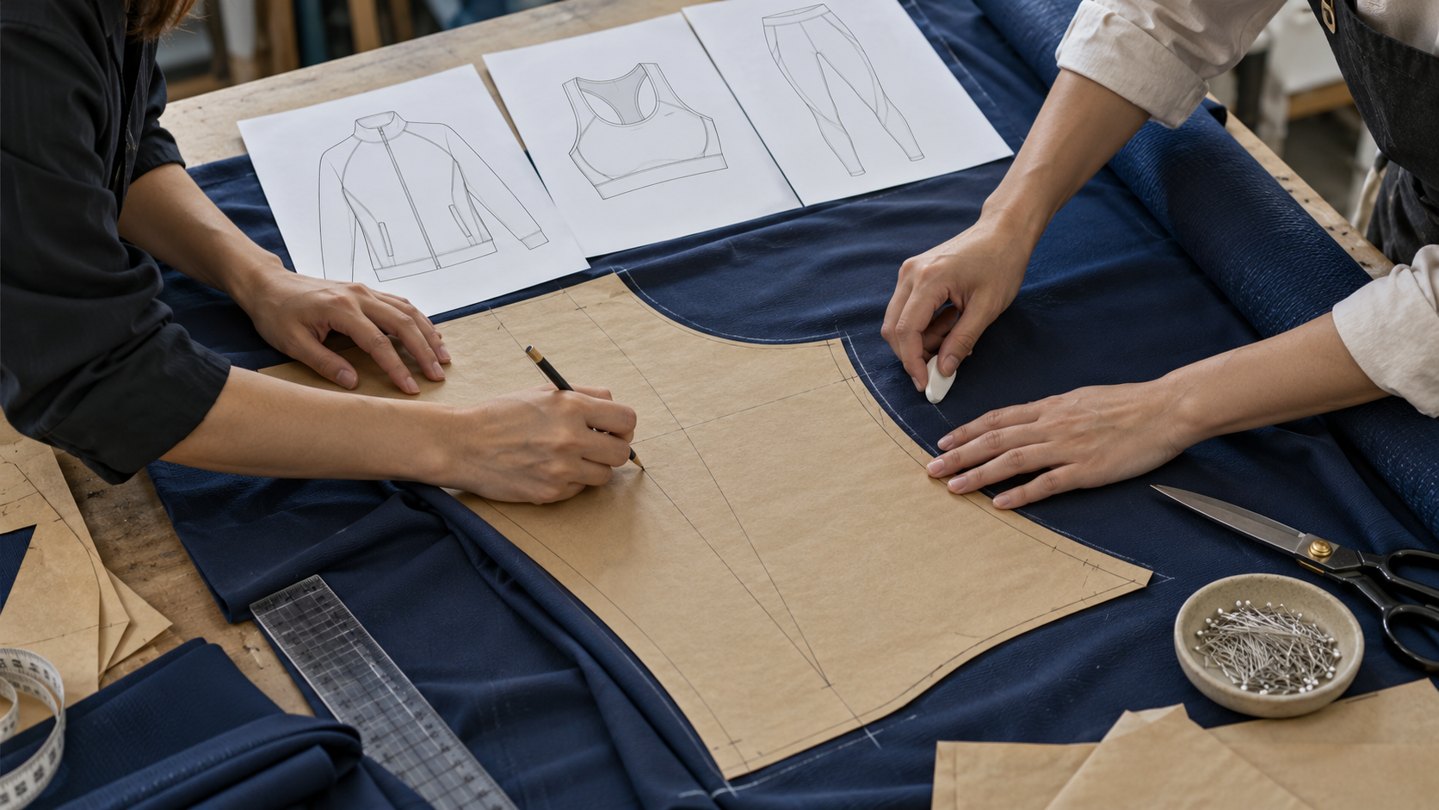
  • How to Build a Sportswear Tech Pack: Your Manufacturing Blueprint

    How to Build a Sportswear Tech Pack: Your Manufacturing Blueprint

    SPORTXIA
    Inquire Now
    HOW TO GUIDE

    How to Build a Sportswear Tech Pack: Your Manufacturing Blueprint

    Turn a design into instructions a factory can follow: technical flats, controlled materials, fit measurements, artwork and production approvals.

    Illustration of a sportswear technical package with garment flats, fabric swatches and pattern-making tools

    A sketch communicates the look of a garment. A sportswear tech pack connects that look to repeatable manufacturing instructions: what to cut, which components to use, how to join them and what the finished garment must pass. It gives the sample room and production line the same reference.

    In Sportxia’s custom sportswear development, stretch behaviour, seam comfort and measurement methods need to be agreed together. Two leggings can share a silhouette yet feel completely different when fabric recovery, waistband tension or gusset construction changes. The technical package records the approved combination.

    Allow roughly 3–5 hours per style to assemble a first complete version once its design inputs are ready. More complex patterns and missing material data require additional development. Keep pages visual, sentences direct and instructions usable on a black-and-white factory printout.

    This guide follows eight practical steps. Use it alongside the full apparel product development workflow when planning sourcing, sampling and production release.

    What You Need Before You Start

    External tutorial: Dovy Kairys’s tech pack walkthrough. Use the article’s sportswear-specific requirements when building your own production file.

    Input collection allowance: 2–4 hours. This is separate from the 3–5-hour document-building allowance. Obtain the physical, visual and commercial inputs before asking a factory to quote a finished specification.

    Essential Assets

    • A physical reference garment: use it to discuss hand feel, construction and stretch. A photograph cannot communicate surface texture or recovery. Identify which features are references and which belong to your original design.
    • Artwork source files: collect editable .AI or .EPS vectors for logos and diagrams. A JPEG may be useful for a visual reference, but it cannot be enlarged indefinitely without loss of detail.
    • A fit-intent statement: distinguish “high compression/sculpt” from a lighter “naked feel.” Describe support, coverage and movement so the developer can evaluate GSM, knit construction and elastane content together.
    • Draft label copy: prepare fibre percentages, care instructions, size and country-of-origin information. Mark unknown fields as unresolved internally; final production labels must use verified information.

    Software and Workflow

    Draw flats in Adobe Illustrator, CorelDRAW or another capable vector editor. Maintain measurements and the BOM in Excel or Google Sheets. A PLM system can centralise the same information when a range grows.

    Label callouts with a number or letter: “Detail A” stays meaningful after photocopying, while “the red line” may disappear. Appoint one final PP-sample approver and collect the team’s comments before sending one consolidated revision brief.

    Download the Activewear Tech Pack Checklist

    Check the BOM, specification sheets and packaging instructions before sending the file. The printable checklist includes space for the revision, open items and release decision.

    Ask Sportxia to review your material and sample brief if an input still needs development.

    Step 1. Build the Control Panel and Title Page

    Illustrative tech pack style header and revision log

    The opening page identifies the instruction set. Give the production manager enough information to distinguish this style, market and revision from every other file in the sample room.

    • Style name and SKU: for example, Apex Runner V2, W-LEG-002. Use the same identifier in the quotation, sample tag and purchase order.
    • Season and market: a reference such as SS25 / Women’s High-Impact shows the type of context to record; replace it with your actual programme.
    • Size range and base: list XS–XXL where appropriate, explicitly identifying Medium as the fit base when that is your chosen size.
    • Document ownership: name the technical lead, factory contact and approval authority. Add the agreed confidentiality and design-ownership notice.

    Place a revision log beneath the style header. Its fields should include version, date, change and author. A useful entry says “V2: change approved flatseam density from 10 to 12 SPI”, then names the affected page. “Updated design” does not identify the operation to change.

    Export a PDF and reopen it on a second device. At 200% zoom, inspect line sharpness, selectable text, missing fonts and clipped dimensions. In PLM, connect these fields to the global style header so updates remain consistent.

    Step 2. Draw the Technical Flats

    Sportswear flats with enlarged waistband and gusset details

    Provide front and back flats without a fashion pose. Include a side view when lateral panels, pockets or other features need it. Keep the silhouette, panel boundaries and stitch paths visually distinct.

    As a starting drawing convention, use approximately 2 pt for the outer silhouette and 0.5 pt for internal seams and stitch lines. Adjust for page scale so the printed drawing remains readable. Early hand sketches can start a discussion, but the release file needs clear, reproducible geometry.

    Enlarge features that are difficult to read

    • Waistband: show elastic width, internal assembly and drawcord exits.
    • Gusset: distinguish diamond and triangular shapes, their orientation and panel joins.
    • Trims: detail zipper garages, bonded tape paths and strap attachments.

    Connect numbered arrows to the construction sheet and BOM. Space arrows so they do not obscure each other. Define abbreviations such as FL for the agreed flatseam, CS for coverstitch and DN for a specified double-needle operation; a legend supports the drawing but does not replace a stitch specification.

    When ownership of technical drawings is unclear, use our guide to technical designers and fashion designers to decide who should prepare and review the file.

    Step 3. Create the Garment Construction Sheet

    Illustrative stretch garment seams alongside a technical flat

    A construction sheet explains how adjoining panels form a wearable garment. Record the zone, seam formation, stitch type, seam allowance, density, thread and reinforcement. ISO 4915 classifies stitch types; the stitch number alone does not define the entire seam assembly.

    Construction decisions to confirm in sampling
    Construction decisions to confirm in sampling
    Garment zoneCandidate stitch / processSeam requirementAdditional specificationPhysical approval
    Skin-contact joins607 flatseam where suitableLow-profile agreed assembly; stitch type is not the seam classAllowance, thread, needle and approved densityExtension and contact comfort
    Internal structural joins514 four-thread overedge where suitableSelect for the actual knit and expected loadAllowance, tension and seam opening limitStrength, grinning and recovery
    Hems and waistbandsAppropriate coverstitch or validated bondingDefine edge finish and reinforcementBonding process/adhesive where usedWash, extension and edge adhesion

    The reference starting range of 12–14 SPI for compression garments is a sampling input. Confirm it on the actual fabric with the chosen thread, needle, tension and extension requirement. More stitches do not automatically produce better elasticity or strength.

    Show bar-tacks at pocket corners, strap anchors and drawstring exits where the construction calls for them. Include a construction key and connect each operation to its drawing detail. Sportxia’s cut-and-sew service can help review the proposed assembly against available equipment.

    Verify comfort and extension on a physical sample

    Run a finger across the skin-contact side. Look for raised edges or hard thread ends, then extend the seam through the agreed use range. Popping threads, unacceptable seam opening or painful friction need investigation. Compare the sample with the agreed construction instead of stretching it without a defined limit.

    Step 4. Construct the Bill of Materials

    Illustrative coded sportswear fabric, trim and label components

    The BOM links the design to the exact components being purchased. Assign a unique line and code to every fabric, trim and label, including components hidden inside the garment. Use the approved BOM as part of the quotation and order specification.

    • Main fabric: record composition, knit structure, GSM and finish. One illustrative specification is 80% nylon 6.6 / 20% spandex, 220 GSM interlock with a wicking finish; it is an example to develop and test, not a universal recipe.
    • Hand feel: describe “buttery/brushed” or “slick/cool” alongside a retained swatch. Surface treatment and construction affect feel as well as fibre content.
    • Hardware: identify the approved source and article, such as a specified YKK #3 invisible zipper, plus colour, length and relevant performance requirements.
    • Hidden items: include stabilisers, interfacing, pocket lining, elastic, thread and internal tapes. Cross-check every drawing callout against a BOM line.
    Example BOM structure — complete with approved article data
    Example BOM structure — complete with approved article data
    ID / ComponentControlled specificationSource / ColourApproval recordChange control
    FAB-01 / Main knit80% nylon 6.6 / 20% spandex; 220 GSM interlock; agreed finishMill and article code; physical colour standardSwatch ID / Lab dip / Test reportWritten approval before substitution
    EL-01 / Waist elasticWidth, composition, extension and recoverySupplier/article; colourElastic sample / Garment trialCheck tension with actual knit
    ZIP-01 / Selected zipperExample: specified YKK #3 invisible zipper; length and functionApproved source/articlePhysical trim / Function testNo unapproved alternate
    LIN-01 / Pocket liningComposition, mass and constructionSupplier/article; shadeRetained lining swatchRecord any revised source
    LAB-01 / Label packageVerified care, fibre, origin, size and placementArtwork revision / ProcessLabel or transfer proofSign off copy before release

    State clearly: Material substitutions require written approval before sampling or bulk production. Record a proposed alternative as a new submission with its own swatch and test evidence. A matching colour does not establish equivalent recovery or hand feel.

    Where the factory nominates a material, define the outcome: for example, a Grade 4 pilling target under the agreed method and exposure, together with required OEKO-TEX STANDARD 100 coverage. Verify certificate scope and traceability; certification alone does not establish every performance claim.

    Step 5. Define Fabric Performance and Sourcing

    Illustrative stretch knit review beside a performance requirements sheet

    A fibre ratio cannot predict how a garment performs during a squat or after washing. Add a performance block with a test method, preparation, target, tolerance and evidence reference. Separate measurable acceptance criteria from a descriptive marketing phrase.

    Example performance block — method and conditions must be agreed
    Example performance block — method and conditions must be agreed
    PropertyExample targetMethod / Conditions to recordTolerance / DecisionEvidence
    RecoveryMore than 90% within 1 minuteExtension, load, hold time, direction and calculationUse an agreed recovery definitionTest report and material ID
    Opacity / CoverageNo unacceptable show-through at 40% extensionLight level, colour, background, sample conditioning and fitApproved physical coverage standardStretch/fit review record
    PillingMinimum grade 3.5; selected BOM example grade 4Agreed test method, cycles and rating procedureState which threshold governs the styleLaboratory report
    Wash dimensional changeMaximum 5% shrinkage in stated directionsWash/dry programme, cycles and measurement procedureAlso set any growth limit where neededBefore/after measurement report
    Vertical wickingBuyer-defined result; no universal pass valueAATCC TM197; conditions and reporting directionWrite the required distance/time basisMethod-specific laboratory report

    The table preserves the guide’s example targets, including more than 90% recovery within 1 minute, coverage at 40% extension, a minimum pilling grade of 3.5 and maximum 5% shrinkage. These require agreed test conditions. Grade 4 in the BOM example is a stricter selected target; choose the applicable requirement explicitly.

    Control the material source and approvals

    With a nominated mill, record its identity and article code. For factory-sourced fabric, obtain lab dips for colour and quality swatches for structure and feel before release. Connect the approved standard to receiving records and lot numbers. Repeat this check when a material or finishing process changes.

    Check recovery by the agreed procedure, then compare the surface with the approved tactile sample. Smooth nylon can feel cool and brushed polyester can feel soft, but fibre labels alone cannot guarantee those sensations. Reject rippling or loss of recovery when it breaches the recorded requirement.

    Step 6. Build the Measurement and Grading Sheet

    Illustrative relaxed-waist measurement and POM grading sheet

    Start with a POM drawing. Assign codes such as POM-01: waist width, then show where the tape begins, where it ends and whether the garment is relaxed or extended. Give extended measurements a defined procedure rather than an instruction to “pull firmly.”

    A technical designer should evaluate negative ease against the target body, fabric modulus and intended support. Grade increments can differ between zones and sizes; a single proportional enlargement may distort compression or strap placement. Confirm the size set on the approved material.

    Record point-specific tolerances. A critical compression POM might use an agreed ±0.5 cm allowance, while another feature needs a different tolerance. Clearly mark critical points with both text and a symbol. Define whether the number is a flat width or a full circumference.

    Use ASTM D5585 only within its stated adult-female body-measurement scope. Body tables support a fit baseline; they are not finished garment measurements. Likewise, a label pairing such as US M / EU 38 is a proposed brand conversion to verify, not a universal equivalence.

    Check repeatability and fit

    Ask two people to measure the same sample independently using the written guide. If they disagree, resolve the method before judging the factory. Then wear-test waistband rolling, leg-opening pressure and movement. Log each issue against the relevant POM or construction detail.

    If a sample rolls, slips or rubs during that wear test, use our activewear fit diagnosis guide to separate material, rise, elastic and seam causes before revising the measurement or construction sheet.

    Step 7. Create the Colorways and Artwork Page

    Illustrative three-colour jersey artwork and logo dimensions

    Give every colourway its own drawing and zone schedule. A colour name such as navy is insufficient: specify a physical reference such as Pantone 19-4029 TCX, confirm it against the current Pantone reference system and approve a lab dip on the selected fabric.

    Keep master artwork available through a controlled source-file link as well as the visual PDF. Use editable .AI/.EPS vectors for suitable logos; embroidery also requires appropriate digitising and a physical sew-out. For a raster sublimation image, agree approximately 300 DPI at the actual print size with the printer. A low-resolution source does not gain detail simply by changing its DPI setting.

    • Size: specify dimensions, for example 55 mm × 20 mm, instead of “scale to fit.”
    • Seam-relative location: state the point and direction, such as 15 cm below high point shoulder (HPS).
    • Edge-relative location: an example is 5 cm above the cuff edge.
    • Cross-size rule: identify which distances remain fixed and which change with the grade. Do not move a logo by eye.

    The artwork sheet should show at least the front/back placement and a close detail with two reference dimensions. The template below the article’s download links includes space for those coordinates.

    Step 8. Define Operations, QC and Revisions

    Illustrative PP sample inspection, revision and packing review

    1. Finalise Operations and Packaging

    Show the folding method, such as a quarter fold, and the selected bag material, thickness and required warnings. Identify care-label placement, fibre content, country of origin and heat-transfer size marks. Specify the destination’s requirements before artwork approval.

    For warehouse delivery, agree carton dimensions, weight limits and label positions with the receiving 3PL. Use the barcode identifier that the destination requires: a UPC/GTIN may suit retail stock, while a fulfilment programme may require its own label. A DDP delivery arrangement does not itself impose a universal UPC requirement. Include the approved scan test and artwork in the packing page.

    2. Set the Inspection Standard

    Where AQL 2.5 is selected for major defects, record the full plan under the agreed edition of ISO 2859-1: lot size, inspection level, sample size, normal/tightened status, defect definitions and acceptance/rejection numbers. The current ISO listing is the 2026 edition. AQL 2.5 is not a promise that every delivered lot contains at most 2.5% defective garments.

    • Critical: define safety hazards such as needle fragments and unacceptable contamination; require no acceptance of identified critical hazards and a separate prevention/control process.
    • Major: define functional failures, broken zippers or critical measurements outside tolerance.
    • Minor: define cosmetic departures such as untrimmed thread. Colour shading may be major where it breaches the agreed standard.

    3. Execute Tests and Manage Revisions

    Arrange the required rubbing-colourfastness and wash-dimensional-change checks before committing the relevant bulk fabric. Confirm the selected method, cycles, care programme and threshold. Sample inspection and fabric performance testing are different parts of the approval record.

    Use one revision matrix: attach a marked photo, identify the defect, state the instruction and name the owner. A precise instruction might read “reduce relaxed waistband flat width by 1.5 cm”, with a revised POM and fit review. Link the correction to the new file version and sample tag.

    Retain a signed and dated pre-production sample representative of approved materials, colour, construction, artwork and packing. Complete the agreed stretch and tactile checks: no unacceptable popping, bubbling, adhesive edges or scratching. Resolve open differences before the affected production operation begins.

    Troubleshooting Common Tech Pack Failures

    In Sportxia’s experience, about 90% of the production problems covered by this troubleshooting approach trace back to ambiguous technical instructions. This is a company-reported observation, not an independently measured industry rate. Diagnose the missing instruction and verify the correction before increasing quantity.

    1. The Factory Changes a Fabric or Trim

    Likely gap: the BOM lacks an article code or an approval rule. Correction: hold the affected sample, identify the proposed material and obtain a swatch and lab dip. Use an agreed procedure such as ASTM D3776/D3776M for fabric mass per unit area. Prevention: link the approved source, physical standard and written substitution control to the PP release.

    2. The Label Says M but the Garment Fits Like S

    Likely gap: the parties use different relaxed/extended conditions or tape positions. Correction: add a POM diagram and a method such as “laid flat, chest width 1 inch below the armhole.” Prevention: identify critical points in words and with a symbol, then repeat the two-person measurement check.

    3. Seams Pop or Rub Against the Skin

    Likely gap: the stitch, thread, seam assembly or tension is unsuitable for the required extension. Correction: review a specified 607 flatseam or another suitable construction with the technician. A stitch code does not guarantee comfort or strength. Prevention: include a defined seam-extension and wear check in the sampling plan.

    4. Artwork Drifts Between Sizes

    Likely gap: placement was judged visually. Correction: state measurable coordinates, such as a centre logo 15 cm below the neckline reference, and distinguish that reference from HPS. Prevention: document placement grading and approve the relevant size-set positions.

    5. The Warehouse Rejects the Packaging

    Likely gap: the barcode, warning, carton size or receiving label is wrong. Correction: reconcile the current 3PL instructions with a dedicated packaging page. Prevention: approve a packed unit and carton-label proof, including the scan and weight checks, before shipment.

    When to Escalate

    If the same deviation occurs twice, pause the affected development or production step. Confirm the current file version, review the page together by video and require the cause and corrective action in writing. Resume when the agreed evidence shows that the correction worked.

    Trace the physical seam against its drawing and inspect the intended skin-contact side. A mismatch, painful ridge or failed extension check needs a recorded disposition. Use our manufacturer selection and first-PO guide if the problem also exposes a capability or communication gap.

    Questions About Building a Sportswear Tech Pack

    How does a spec sheet differ from a full tech pack?

    A measurement spec sheet captures POM values, methods, tolerances and grading. The full technical package adds the style header, drawings, construction, BOM, performance criteria, artwork, labels, packing and approval history. Measurements alone leave material and construction choices unresolved.

    How long does a professional tech pack take?

    Allow about 3–5 hours per style after the necessary assets are available, plus the guide’s 2–4-hour input-gathering allowance where needed. In Sportxia’s experience, clearer files have helped reduce an average 4 sample rounds to 1–2 on suitable projects. This company-reported result can save weeks and hundreds of dollars in courier costs; it is not a guaranteed result or a fixed development quotation.

    Do I have to use Adobe Illustrator?

    No single brand of software is mandatory. Illustrator and CorelDRAW are useful options for editable vector flats. Compile the data in Sheets, Excel or PLM and issue a readable PDF. Use appropriate resolution at output size for raster artwork; vectors remain easier to scale for line drawings.

    Does a tech pack protect my design from copying?

    It records manufacturing instructions and can support an agreed specification, but it does not itself confer exclusive design rights. Define confidentiality, permitted use, ownership and access before sharing sensitive files. Review suitable NDA or NNN terms for the transaction and jurisdiction. For branding, consult the relevant IP office, such as the USPTO; consider specialist advice for potentially patentable innovations.

    Release a Complete Manufacturing Blueprint

    Your release should now contain eight connected parts: the title/control page, technical flats, construction sheet, BOM, fabric-performance block, measurement/grade sheet, colour/artwork page and operations/QC instructions. The version and physical approvals should identify the same intended garment.

    1. Export and attach: issue one clear PDF, with editable drawings and master artwork supplied separately through controlled links.
    2. Request comparable quotes: send the same revision to 2–3 manufacturers and compare materials, unit price, sample scope and lead time.
    3. Run the approval loop: sample 1 → one revision brief → sample 2 where needed → PP approval. Add rounds when evidence requires them rather than approving an unresolved issue to meet a target.

    When the file is ready, use ten factory questions covering samples, MOQ, QC and terms to compare responses to the same revision. Before committing the order, verify the selected manufacturer and its production evidence against your product requirements.

    Use the checklist before sending. Sportxia’s standard planning ranges are 7–15 days for sampling and 15–30 days for bulk production, subject to material availability, approvals and the agreed programme. Discuss your actual file and schedule with the team.

    For the final handover, ask a colleague to follow the document without a verbal explanation. Any question that changes material, fit, assembly or approval belongs in the controlled file.

    Related reading: a custom design needs a different development scope from a pre-existing style with new branding. Review custom cut-and-sew development and private-label options to agree which technical records you supply and which the factory develops.

    FACT CHECKED&EDITORIAL GUIDELINES

    Reviewed November 3, 2026. The 90% observation and sample-round results are company-reported. Measurement, test and process examples require a style-specific specification. Illustrations explain the workflow; the written approved specification controls production. Send a correction.

    READY TO MOVE FROM DRAWING TO SAMPLE?

    Let’s Review Your Sportswear Tech Pack

    Share your style, intended fit, material references and launch target. Sportxia will help identify the inputs needed for a sample and production plan.

    Discuss Your Sportswear Project

  • Apparel Product Development for Sportswear: From Concept to Production

    Apparel Product Development for Sportswear: From Concept to Production

    SPORTXIA
    Inquire Now
    HOW-TO-GUIDE

    Apparel Product Development for Sportswear: From Concept to Production

    Build a sportswear product through a clear brief, controlled technical files, approved samples, a costed order and measurable production checks.

    Sportswear product development table with technical drawings, measurement charts and fabric swatches

    Apparel product development is the work of turning a product idea into a garment that a factory can reproduce at the agreed quality, quantity and cost. The output is a connected set of decisions: what the garment must do, how it is constructed, which materials are approved and what evidence permits production to continue.

    For sportswear, fit and material behaviour must be developed together. A waistband that works in one knit may behave differently in another. A print process can change stretch, and a revised seam can change comfort. Recording each approved combination gives the brand and manufacturer a shared basis for the next sample and the next order.

    Use this nine-step workflow with Sportxia to organise technical design, sourcing, sampling and inspection. Keep one current tech pack and BOM throughout. The downloadable checklist and sourcing workbook below help capture the information before it becomes an unanswered question on the factory floor.

    Prepare the Inputs Before Development Starts

    Planning time: 1–2 weeks. Complexity: intermediate. Treat this as a preparation allowance, rather than the complete sample-development lead time. Agree who will supply missing inputs and when the factory can begin.

    Optional learning resource: CLO-SET’s official product development workflow webinar. This external tutorial illustrates digital collaboration; physical fit, material tests and written approvals still control production.

    Product and commercial inputs

    • A performance brief stating the wearer, activity and operating conditions.
    • A physical benchmark sample for hand feel, construction and proportion. Use reference garments lawfully and develop original artwork.
    • A provisional retail price and margin target, with the sales channel identified.
    • One consistent fit model or a documented body-measurement and size-set strategy.

    People and systems

    • A pattern maker or technical designer, a factory contact and one final brand approver.
    • An agreed response SLA so review time appears in the project calendar.
    • Excel or Google Sheets plus PDFs for a small team; a PLM or structured “PLM-lite” register as the range grows.
    • Optional CLO 3D development, with suitable material data and physical fit verification.

    Set the compliance and delivery scope

    Identify the target markets, intended age group, restricted substances list (RSL), testing requirements and packaging rules. Where OEKO-TEX STANDARD 100 is required, verify a valid certificate whose product scope covers the supplied material or article. It is not a substitute for every destination-market requirement.

    For children’s products sold in the United States, review the applicable CPSC testing and certification requirements. Confirm with the responsible importer which rules, exemptions and certificates apply to the actual product. State the delivery rule and named place using ICC Incoterms 2020.

    Download the Development Tools

    Use the PDF when checking a technical package and the editable workbook when collecting supplier evidence, owners and open actions.

    Request a technical brief review if you need help defining the information required for a sample quote.

    Step 1. Write a Technical Product Brief

    Product development specialists reviewing a sportswear brief and physical jacket

    Begin with a one-page brief that can be understood without a verbal presentation. Identify the target wearer, sport and environment. A competitive runner training in heat and humidity has different needs from a studio customer seeking gentle compression.

    Separate the essential requirements from preferences

    Choose 3–5 non-negotiable attributes and explain how each will be checked. Examples include coverage at the intended stretch, a specified level of compression, low-profile seams at contact zones and a required abrasion result. “Squat-proof” needs defined lighting, extension, colour and wearer conditions; “zero opacity” would mean transparency, so specify the desired coverage clearly.

    State the base size and the fit model’s relevant measurements. Add the intended size range and who owns the grade rules. Avoid treating a size label such as Medium as a complete body specification.

    Record the sensory requirement

    Attach the approved swatch and describe its feel: a cool smooth face, a peached inner surface or a dry textured finish. Specify label softness and the areas where the wearer should not feel a raised seam. Screens can support a discussion, but they cannot establish tactile approval.

    Resolve a conflict before sampling

    If a heavyweight premium hand feel conflicts with the price or heat-management target, record which requirement takes priority. Ask the factory for a proposed material or construction compromise and approve it in the brief before development proceeds.

    Gate output: a dated brief with the wearer, performance priorities, fit reference, cost target and one named decision owner.

    Step 2. Draw Technical Flats and Construction Callouts

    Technical garment flats with material and construction references

    Create front, back and detail views in a suitable drawing or development tool. Each visible line should have a purpose: panel edge, stitch line, opening, fold or artwork boundary. Identify reference dimensions rather than assuming that a stylised drawing supplies a usable pattern.

    • Seams: state the stitch and seam arrangement for each zone. Flatlock may suit a high-friction area; overlock may suit other structural seams. Check comfort and strength on the actual material.
    • Branding: define silicone transfer, sublimation or another approved decoration process, its size and its measured position. Embroidery may need backing or relocation on a stretch panel; it is not automatically unsuitable everywhere.
    • Hardware: specify zipper protection, guards and garages where required to prevent unwanted skin contact.
    • Edges and bindings: evaluate waistband pressure and armhole rotation. Bonding is one construction option, rather than a universal requirement for comfort.

    Review grain direction, stretch orientation and assembly order with the pattern maker. Our cut-and-sew development service covers pattern development, material sourcing, sample review and garment construction. Use 3D visualisation to examine proportions where useful, then confirm the assumptions against physical material and fit checks. A virtual garment helps identify a question; it does not sign off the finished product.

    Gate output: drawings and callouts that let the pattern and sewing teams explain how every panel will be assembled.

    Step 3. Assemble the Master Tech Pack

    Annotated technical garment documents and component specifications

    Connect the drawings to one controlled technical record. Include the style identifier, version date, approved colourways, base-size measurements, grading, materials, construction, artwork, labels, packaging and testing instructions. Coordinate label types, trims and brand identity through our private-label services, and include the approved details in the same file. Give each file a revision history so an older PDF cannot silently become the production reference.

    Make each specification reproducible

    • BOM: identify composition, GSM, supplier code, material code, colour and approved component. A thread example might specify Pantone 19-4052 TCX, poly-core, Tex 40, with the actual physical colour and thread construction approved separately.
    • POM: show the measurement diagram, base-size value, grade increments and allowed variation for each point.
    • Construction: specify stitches per inch where relevant, thread, needle and stress-point reinforcement. 607 is a stitch-type designation for a four-needle flatseam operation; it is not a standalone standard called “ISO 607.” See the Coats stitch guidance when selecting the appropriate operation.
    • Testing: name the property and method. AATCC TM79 measures absorbency. It does not, by itself, substantiate a complete moisture-management or wicking claim.
    • Release control: record unresolved items and identify which ones block the next stage.

    Choose who should own technical design before commissioning the package.

    Gate output: one current technical file with a complete BOM, measurement methods, revision register and approval responsibility.

    For the page-by-page file structure, follow our eight-step sportswear tech pack guide. It includes construction, BOM, measurement, artwork and QC requirements, plus a downloadable checklist and editable template.

    Step 4. Source and Approve Performance Materials and Trims

    Selecting and stretching performance knit swatches beside trims and lab dips

    Request a specification and commercial record for every candidate material. Record supplier, construction, composition, weight, width, finish, MOQ, lead time and the test evidence relevant to its intended use. A candidate 78% recycled polyester / 22% spandex fabric still needs its physical performance assessed; percentages do not establish recovery or coverage.

    Choose factory-led sourcing and manufacturing services when a coordinated existing network suits the programme, or nominate a mill when you need closer control of the source. In either route, assign responsibility for booking, colour approval, testing and delivery. Nominated fabric does not remove the need for a clear factory receiving check.

    Approve the actual material combination

    Compare stretch and recovery, hand feel and coverage on the physical swatch. Keep the supplier lot reference with the approval. A quick stretch against light is a development screen, not a complete squat-coverage certification. Evaluate colour and fit in the intended garment as well.

    Test elastics and zippers for the expected use. If durability requires thousands of extension cycles, agree the exact count, force or extension, conditioning and failure definition with the laboratory and supplier. Avoid using an unspecified cycle claim as an automatic pass.

    For recycled claims, check the relevant scope and shipment evidence. Textile Exchange explains transaction certificates as evidence for specific certified shipments. Match claimed content to the supplied goods and current scheme rules; a generic “eco-friendly” description is insufficient.

    Gate output: approved swatches, colour references, test evidence and material codes linked to the current BOM.

    When sourcing through a new production partner, use our China sportswear manufacturer shortlist to compare product capability, order minimums and the evidence to request before approving materials.

    Step 5. Run Sampling and Fit Through Approval Gates

    Technician measuring an adult activewear fit sample

    Define what each sample must prove before it is ordered. A first prototype can investigate proportion and assembly, sometimes with a substitute material whose limitations are recorded. A revised sample should resolve the known issues using the required fabric and components. The pre-production sample connects the approved fit to the intended bulk materials, decoration and packaging.

    Sportxia example: a sports bra through three iterations

    The development team began with a 2D concept, technical drawings and BOM. A 3D review helped examine panel relationships. The first physical sample identified strap and neckline issues; the next review addressed seam construction and elastic behaviour. PP approval then confirmed the final reference and packing details.

    Sportxia sports-bra development example
    Sportxia sports-bra development example
    StageRecorded changeReported result
    v1Strap angle reduced by 2 degreesShoulder-slip issue resolved in the reviewed sample
    v2Higher-modulus elastic; construction and bonded-seam revisionsImproved support in the programme review
    PPFinal heat-transfer label and packaging confirmationReference approved for bulk production

    This company-reported example describes one development programme. Its angle change and material choice are not universal corrections for another bra or wearer.

    For other production programmes and their reported outcomes, explore Sportxia sportswear case studies.

    Use a five-movement review

    1. Reach: observe hem lift, armhole pressure and restricted movement.
    2. Twist: examine side-seam position and the garment’s return to its intended balance.
    3. Squat: assess rear coverage, waistband roll and seam behaviour.
    4. Jog: evaluate bounce, strap stability and the intended level of support.
    5. Deep breath: check for uncomfortable ribcage restriction.

    When this movement review reveals rolling, sliding, pressure or chafing, use our technical guide to activewear fit diagnosis and correction to record the failure and isolate pattern, elastic, fabric or seam causes before the next development round.

    Separate seam grin, where a seam opens under tension, from fabric show-through. Measure the sample using the agreed POM method. An example ±0.5 cm limit must be assigned to a particular measurement and product, not applied as an unexplained universal rule.

    Classify comments as structural must-fix items or optional aesthetic changes. Link marked photographs to the revised specification and require the factory to acknowledge the revision history before the next round. Keep the approved sample tag and physical counter sample identifiable.

    Gate output: a signed fit decision, current pattern and tech pack, plus an approved PP reference before the agreed bulk release.

    See the complete clothing sample-stage timeline.

    Before authorizing the next round, assign a budget to pattern changes, sample labour, material setup, testing and courier. Use our clothing sample cost budgeting guide to separate one-time development work from repeat-round charges and agree any sample-fee credit terms in writing.

    Step 6. Cost the Product and Test the Pricing Logic

    Product developer comparing material choices with a garment costing sheet

    Develop the quote around the approved materials and construction. Ask for enough detail to understand consumption, process time and order-specific charges. Differentiate an initial development estimate from a final quote linked to the released BOM.

    Factory cost drivers

    • Fabric usage, cutting yield and marker efficiency.
    • Trims, labels, decoration and packaging.
    • Cut-make-trim labour and process complexity.
    • Tooling, development and sample charges, with any amortisation shown.

    Delivered cost drivers

    • Freight, insurance and applicable customs charges.
    • Testing and inspection fees.
    • Brokerage and receiving or 3PL handling.
    • Currency and agreed surcharge exposure.

    A flatlock or bonded operation can change machine time and setup compared with another seam. Ask for the specific cost effect on your product instead of assuming that one operation is always more expensive. A revised quote should identify the changed operation or material.

    Keep the channel assumptions visible

    Pricing assumptions to test by sales channel
    Pricing assumptions to test by sales channel
    Planning inputExampleHow to use it
    DTC gross margin target75%Illustrative target before CAC and other operating costs; define COGS consistently.
    Fit-critical returns scenario20-30%Model return rate and per-return cost separately; this is not a verified market average.
    Retail selling-price multiple2.2x-2.5x wholesale priceTest retailer margin and the brand wholesale contribution separately.
    Contingency3-5%Visible assumption on the selected cost base; avoid duplicating included surcharges.

    Total landed cost = product cost + freight + applicable duties + testing + receiving/3PL costs, plus other charges actually borne by the buyer. Under a DDP quote, avoid counting an included duty or freight charge a second time. Incoterms allocate specified delivery costs and risks; they do not replace the separate payment or quality agreement.

    Gate output: a final quote that reconciles to the BOM, named delivery basis and channel-specific unit economics.

    Step 7. Release the Order and Map the Critical Path

    Real sportswear sewing workshop from the user factory library

    Issue a clearly dated production release with the final technical files, approved samples, test requirements and purchase order references. If fabric and garment production use separate POs, connect them to the same style and version so the quantities and responsibilities remain aligned.

    Confirm colour and size allocations. For example, a S–M–L–XL ratio of 1–2–2–1 is a quantity instruction, not a grading rule. Expand it into actual unit counts that reconcile to the purchase quantity, and confirm rounding where the total is not divisible by six.

    Replace a headline lead time with milestone dates

    A quoted 45-day programme needs a defined start event and scheduled material booking, lab-dip approval, bulk dyeing, cutting, sewing, finishing and inspection. Ask the planner to show which approvals or incoming components can move the completion date. Confirm capacity rather than assuming that a deposit alone reserves an unlimited slot.

    A proposed payment arrangement might use a 30% deposit and 70% balance after the agreed passing pre-shipment inspection. Negotiate the actual terms, evidence and remedies for the order. Paying 100% upfront reduces the buyer’s remaining payment leverage; assess that exposure before agreeing to it. Photographs or packing video can supplement, but do not replace, an inspection or shipment record.

    Compare the sealed counter sample to the buyer’s PP reference. If colour or hand feel differs, investigate the lot, finish and process before releasing cutting. A change can have several causes; do not treat a tactile difference alone as proof of substitution.

    Gate output: signed commercial documents with the released file versions, unit matrix, material responsibilities, capacity confirmation and dated milestones.

    Step 8. Define Measurable Quality Control

    Real garment production and quality-control work area

    Agree the inspection protocol before production starts. Include defect descriptions, photographs, measurement methods, sampling rules and the route for correcting a failed result. The approved PP sample is a comparison reference, not a guarantee that every production unit will match it.

    • Incoming inspection (IQC): identify material lots and examine shade, visible faults, width, shrinkage and other agreed properties before cutting.
    • During-production review (DUPRO): inspect critical sewing or bonding operations, waistband performance and process settings while corrections remain practical.
    • Final random inspection (FRI): define the lot, inspection level, normal or tightened plan, sample size and acceptance/rejection numbers using the agreed standard.

    A commonly specified framework is ISO 2859-1 or ANSI/ASQ Z1.4, with AQL 2.5 for major and 4.0 for minor defects where agreed. For critical defects, specify an acceptance number of 0 and the required risk controls. “AQL 0” is not a substitute for defining the plan. These parameters do not mean that 2.5% or 4.0% defects are automatically acceptable in every shipment.

    Create a photographic defect glossary

    Show agreed pass/fail examples for skipped stitches, flatlock tunnelling, puckering and rough skin-contact areas. Test transfer adhesion and cracking at a defined extension and cycle count rather than stretching the print indiscriminately to the fabric’s ultimate limit. Review shade under agreed lighting against the approved colour standard.

    Measure functional properties separately. ASTM D3786/D3786M addresses diaphragm bursting strength. AATCC TM79 addresses absorbency. Select the appropriate additional methods for stretch, recovery, wicking or other claims; record the specimen, conditions and acceptance threshold with the report.

    Review TOP samples for hand feel, rough seams and label stiffness, and retain the signed records in the product archive. For a new supplier, consider an independent inspection agency such as SGS or QIMA. Agree how packing, carton sealing, corrections and final payment depend on the inspection result and buyer’s release.

    Gate output: a completed inspection record, resolved nonconformities and the buyer’s documented shipment decision.

    Step 9. Prepare the Launch and the Next Product Revision

    Barcode and inventory review before a sportswear product launch

    Before dispatch, scan representative carton and unit barcodes against the SKU list. Check that labels, size identifiers, quantities and carton allocations reconcile to the order. Confirm which packaging warnings and language requirements apply in each destination rather than assuming that every market uses the same polybag rule.

    Allocate inventory to wholesale, team orders and direct sales before enabling all channels. Keep final technical files, material approvals, inspection reports and artwork in one structured archive. Record promised and actual milestones so future sourcing decisions use evidence about supplier performance.

    Convert customer feedback into a controlled investigation

    Translate customer feedback into a controlled revision
    Translate customer feedback into a controlled revision
    Customer observationInvestigationPossible approved change
    Scratchy contact areaLocate label, seam or thread irritation on the actual garmentHeat-transfer label or suitable soft textured nylon thread, after testing.
    Runs smallCheck body target, measurement method, size label and actual POMRevise relaxed waist POM or grade rules only when evidence supports it.
    Fabric appears sheerReview colour, extension, construction and fitConsider a different GSM or higher-coverage interlock, then retest.

    Check returned garments and their size, lot and wearing context before changing the specification. Record the suspected cause, test, proposed change, owner and approval evidence in a Version 2 development record. A complaint can suggest a line of investigation without proving that the grade rule or fabric weight is wrong.

    Gate output: a launch-ready SKU and packing record, channel allocation and an evidence-based next-revision list.

    Troubleshoot Common Development Problems

    The sample does not match the intended design

    Check missing dimensions, conflicting comments and unclear callouts. Annotate photographs, identify every material in the BOM and consolidate feedback through one approver. Ask the sample room to confirm its understanding before repeating a round.

    The bulk fabric feels or looks different

    Compare the actual roll and lot to the retained swatch, material code and colour approval. Request a sample from the incoming bulk roll before cutting. Investigate finish and dye-lot variation, then record any proposed substitution and its approval.

    The final quote rises after approval

    Reconcile consumption, trim, process, testing and delivery assumptions against the final BOM. Require the supplier to identify the changed line item. Recalculate the delivered cost rather than comparing two prices with different scopes.

    Fit deteriorates across the size range

    Check the grade rules and proportion-sensitive measurements with physical samples. A full XS–XXL size set can test endpoints, rise and armhole relationships where needed. Use the agreed size strategy instead of assuming every dimension scales linearly.

    Peak-season capacity delays the schedule

    Coordinate material transit and the booked factory slot. Agree a reservation milestone and include an illustrative 10-day contingency for the identified customs, QC or scheduling risks. It is a planning allowance, not a guarantee against every delay.

    When to Hold the Next Production Step

    • An unapproved material or component appears: identify affected units and hold the relevant operation until the change has been reviewed.
    • Required compliance evidence is missing: verify certificate validity, product scope and material traceability. An OEKO-TEX certificate is not necessarily issued for each individual lot; link covered material and shipment records to it.
    • The same defect returns in the second sample round: require a cause analysis, corrected instruction and evidence that the correction worked before proceeding.

    Assign the hold to a named person and define the evidence needed to release it. A pause is useful when it prevents the unresolved issue from being multiplied across bulk production.

    Questions About Apparel Product Development

    How is a prototype different from a pre-production sample?

    A prototype investigates the initial pattern, shape and construction. Substitute materials can be used when their limitations are recorded. A PP sample should represent the approved bulk fabric, trims, colour, decoration and packaging, with any difference explicitly resolved before the relevant release. Keep a signed physical reference and its linked specification.

    How do I calculate total landed cost?

    Start with the product price, then add the freight, duties, testing, brokerage and receiving or 3PL charges actually borne by the buyer. Check what is already included in the delivery quote. A duty scenario above 30% can be stress-tested, but it is not a universal synthetic-textile tariff: the actual rate depends on classification, origin, destination and current rules. Confirm the applicable tariff with the customs adviser for the shipment.

    Why does each BOM component need a unique identifier?

    A code such as FAB-BLK-220 connects a component to its approved specification, supplier and lot reference. It helps the buyer compare incoming material with the agreed record. Codes need receiving checks, retained swatches and substitution control to be effective; a label alone does not prove the material is correct.

    Which quality standards should an activewear brief name?

    Define the agreed ISO 2859-1 or equivalent inspection plan, including any chosen AQL 2.5/4.0 parameters, and list product-specific performance tests separately. ASTM D3786/D3786M is a bursting-strength method; AATCC TM79 measures absorbency. Agree other relevant methods, thresholds and conditioning for claims such as wicking, UV protection or recovery.

    Can a physical reference sample replace the tech pack?

    A sample shows an intended outcome but does not state every measurement, grade rule, component or acceptance criterion. Use it alongside the controlled technical record and order agreement. A missing tech pack can create ambiguity; it does not automatically determine whether a buyer has legal remedies under the relevant contract and law.

    Final Checklist Before Committing the Order

    • Measurable brief: intended use, performance priorities and fit reference are agreed.
    • Released technical files: current revision, construction details and measurement methods are identifiable.
    • Approved BOM: each fabric, trim and label has a controlled code and approved source.
    • Dated gates: material, colour, fit, PP and inspection milestones have owners.
    • Delivered economics: freight, duties, testing and handling are included once.
    • Measurable QC: defect criteria, sampling parameters and performance tests are written into the agreement.

    Your next development action

    Choose one hero SKU, such as a core legging or sports bra, and run it through the complete process. This pilot can expose gaps in your files, sourcing and approvals before a wider collection expands the workload. Set the quantity and commercial terms to suit the product and supplier rather than treating a pilot as risk-free.

    FACT CHECKED&EDITORIAL GUIDELINES

    Reviewed October 30, 2026. The sports-bra example is company-reported. Budget, timing, payment and inspection examples require an order-specific agreement. Send a correction to the content team.

    READY TO DEVELOP YOUR NEXT SKU?

    Start With a Brief the Factory Can Use

    Bring Sportxia your product goal, reference materials and target timeline. We will help define the next development step.

    Discuss Your Sportswear Project
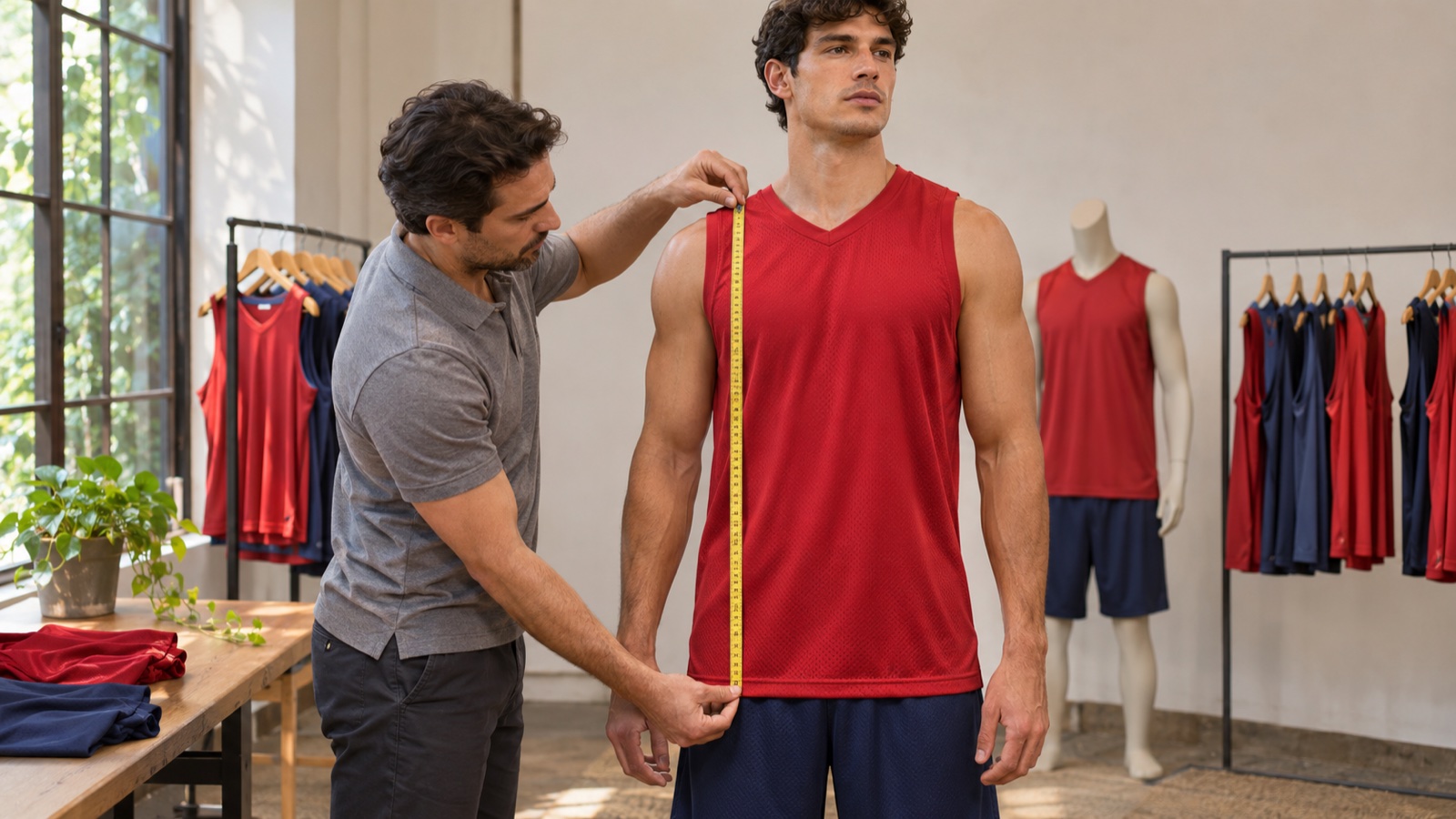
WhatsApp