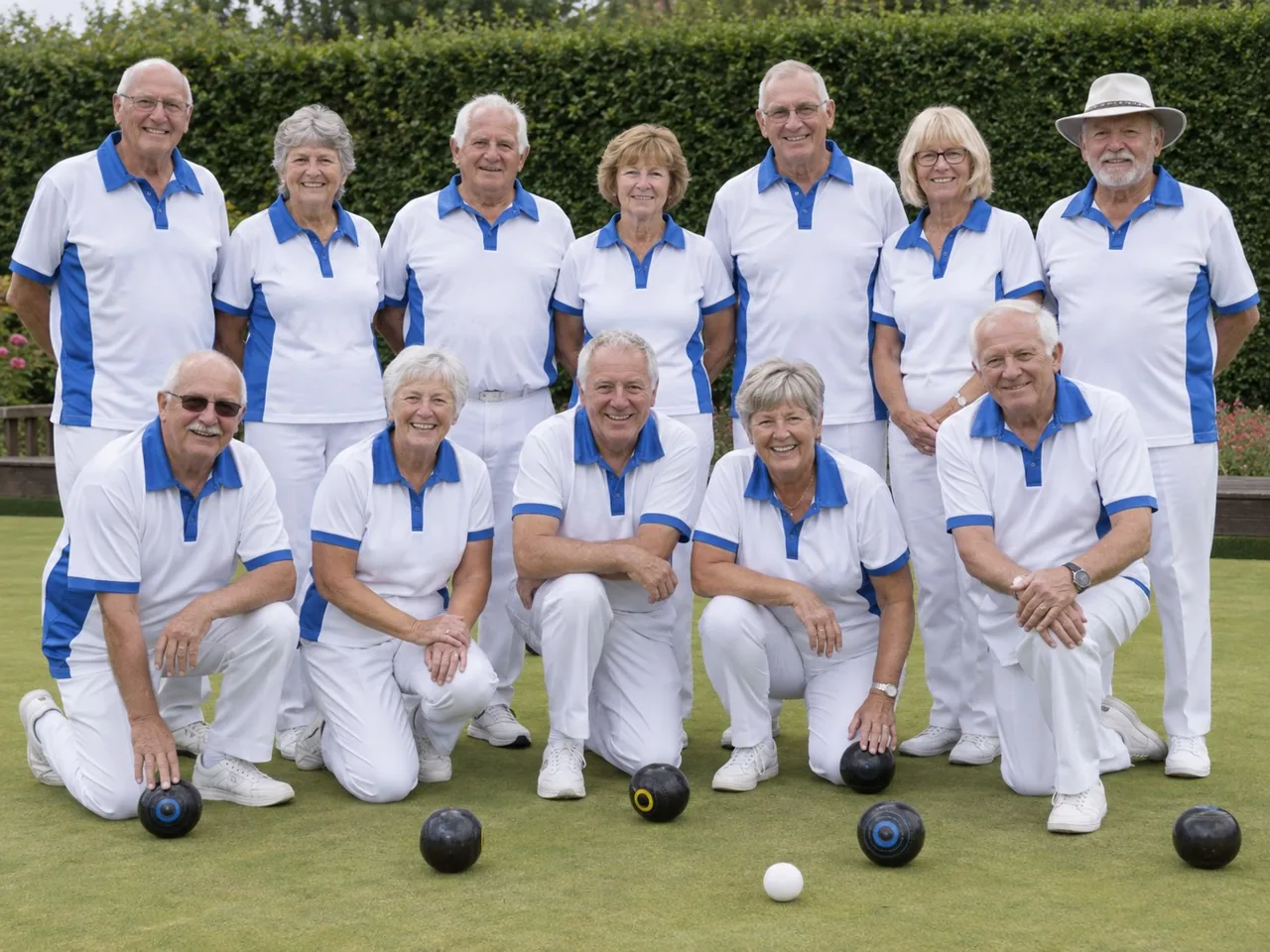
CASE STUDY · LAWN BOWLS CLUB UNIFORMS
Custom Bowls Clothing Case Study:
35% Membership Growth with Performance Uniforms
 LucasUpdated November 3, 2026
Membership growth
in one season
Non-capitation revenue
growth over 24 months
Sell-through on the
first merchandise drop
Defects recorded in the
initial production run
Client Profile
| Industry | Regional lawn bowls club |
|---|---|
| Club size | 300+ members; volunteer-run |
| Location | Australia |
| Annual revenue | Approximately A$80,000 from merchandise and membership fees |
| Starting challenge | Membership was falling. Dated uniforms lacked women’s and junior fits, the existing supply arrangement raised NMP concerns, and volunteers struggled to manage sizes and repeat orders. |
| Project brief | Develop performance club uniforms with dedicated fit options, establish the licensed production and approval route, and build a merchandise program that could begin with a small pilot order. |
The club and project personnel are anonymous. Redacted merchandise records, fabric test reports and available garment approval documents may be requested subject to client permission and a confidentiality agreement.
The Challenge
This custom bowls clothing case study follows an Australian club whose uniform had become part of its membership problem. Faded colours made a poor first impression on visitors, while fit and summer comfort discouraged the people the club wanted to attract.
Four issues shaped the new uniform brief:
- A dated appearance weakened the club’s welcome. The board was concerned that tired polos presented a declining club to prospective members. The uniform needed to support the sense of belonging offered by a community sport.
- One men’s fit did not serve the whole membership. Women were choosing from loose men’s shirts, juniors found the fabric restrictive, and older players reported heat and cling during tournaments in approximately 35°C conditions.
- The earlier supply arrangement raised NMP concerns. The previous supplier was not NMP-licensed. Adding a transferred NMP mark could not substitute for licensed production and the relevant garment approvals for sanctioned competition.
- Repeat orders consumed volunteer time. The secretary was collecting sizes manually, handling weekend reorders and checking state logo instructions. Unclear fit information and fragmented approvals made a small replenishment unnecessarily difficult.
The board initially considered a lower-priced local printer. The project review showed that a cosmetic refresh would leave the licensing route, size range and ordering process unresolved. Sportxia treated those decisions as part of the same uniform program.
The Solution
Sportxia connected the garment approvals, performance specification, inclusive size range and merchandise ordering model through four phases.
Phase 1: NMP Compliance Lock
The NMP-logo garments were produced through an NMP-licensed manufacturing partner. Sportxia coordinated the garment specification and approval file with that partner and the club.
The approval checklist followed the Bowls Australia NMP policy and style guide effective 1 July 2025. For the club’s upper-body teamwear, the NMP mark was specified on the right chest or upper right sleeve; lower-body placement was checked above the back right pocket. The relevant state body’s approval requirements governed sponsor marks and teamwear presentation.
The production file brought the licence route, artwork positions and garment approvals together before release. This addressed the earlier compliance gap without relying on an unauthorized logo transfer. Event conditions of play and the applicable state requirements remain part of the club’s final uniform check.
Phase 2: Performance Fabric Engineering
Sportxia compared the earlier polyester with the selected performance weave, including evaluation in a 35°C environmental chamber. The brief covered sun protection, moisture management, comfort and colour stability, with wash performance reviewed alongside the initial fabric result.
Swipe or use the buttons to view every column.
| Measure | Earlier polyester | Selected performance weave |
|---|---|---|
| UV performance | UPF 30; performance declined in the comparison | UPF 50+; maintained in the project evaluation |
| Moisture wicking | Failed the project criterion after 5 washes | 100% retention of measured performance after 20 washes |
| Handle and cling | Heavy feel; fabric clung during wear | Lightweight feel; no cling reported in the evaluation |
| Colour retention | Visible fading in the earlier fabric | No colour fade recorded in the project evaluation |
These are the project’s material comparison results; they do not describe every polyester fabric. “100% retention” refers to the measured wicking performance relative to its initial result after 20 washes.
UPF evidence was reviewed using the material’s test report and the classification information from ARPANSA fabric testing. The Cancer Council’s sun-protective clothing guidance also informed the clothing brief. UPF and wicking measure different properties; the 35°C chamber evaluation does not establish the UPF rating.
The same emphasis on documented fabric performance shaped Sportxia’s custom golf apparel case study, where the club reported 45% membership growth following its uniform program.
Phase 3: Women’s Fit and Size Architecture
The new range introduced dedicated women’s patterns and consistent size grading, replacing the need to select a loose men’s shirt. Junior sizes gave younger members a garment designed for their proportions and movement.
The size range and fit references were recorded for repeat orders, giving volunteers a common point of reference when collecting member requests. The club reported that the women’s fit change resolved its largest category of complaints from female members.
Phase 4: Merchandise Revenue Model
The board began with a 50-unit pilot to test demand before committing more of the club’s funds. The goal was to move from subsidized polos toward a merchandise program that could support its own repeat orders.
The agreed 24-month roadmap connected the pilot, pre-orders, shop launch and seasonal collections:
Swipe or use the buttons to view every column.
| Period | Stage | Commercial checkpoint |
|---|---|---|
| Months 0–3 | 50-unit pilot | Test the fit, member response and initial demand before a larger commitment. |
| Months 4–6 | Member pre-orders | Collect size selections and orders in a defined window to guide the next run. |
| Months 7–12 | Digital club shop | Centralize ordering and reach the project’s merchandise break-even point. |
| Months 13–18 | Seasonal merchandise drops | Introduce scheduled collections; the program recorded a 15% net profit margin. |
| Months 19–24 | Automated fill-in orders | Support repeat demand through the shop; the merchandise program became self-funding. |
The digital shop gave members a consistent ordering route and reduced the need for the secretary to rebuild every order manually. Planned pre-order windows and fill-in orders allowed the merchandise range to grow with recorded demand.
The Results
Swipe or use the buttons to view every column.
| Measure | Before | After |
|---|---|---|
| Membership | Declining | 35% growth in one season |
| Non-capitation revenue | Pre-project comparison baseline | 120% growth over 24 months |
| Merchandise sell-through | Approximately 40% · club estimate | 94% on the first drop |
| Production defects | No reliable earlier rate recorded | 0% in the initial production run |
| Reorder lead time | Variable; measured in weeks | 14 days shorter than the earlier process |
| Average order value | No earlier comparison recorded | A$85 through the digital shop |
| NMP garment approval | Earlier supply arrangement not compliant | Licensed production and garment approvals completed |
Validation: the club’s finance team reconciled digital-shop sales with bank deposits and compared revenue with the pre-project baseline. Production personnel reviewed the material records, including the controlled 35°C evaluation. The zero-defect figure applies only to defects recorded in the initial production run and is not a guarantee for future orders. Membership and revenue figures describe the club’s reported outcomes; they do not isolate the uniform program from every other influence on club performance. Read Sportxia’s fact-checking process.
Key Takeaways
This custom bowls clothing case study shows how a community club connected a better uniform with a manageable merchandise program. Four decisions shaped the project:
- The licensing route belonged in the first approval. For a club entering sanctioned events, the NMP mark is part of the garment’s eligibility requirements. Checking the licensed production route, artwork placement and state approvals before release avoided treating a transferred logo as a compliance solution.
- Women’s fit was central to the club’s welcome. Dedicated women’s patterns and junior sizes addressed the earlier fit complaints. The club reported 35% membership growth in the following season, alongside a uniform range designed for a wider membership.
- A 50-unit pilot limited the first inventory commitment. The volunteer board could review demand before extending the range. First-drop sell-through reached 94%, and the 24-month plan moved through pre-orders, digital-shop break-even and seasonal collections toward a self-funding program.
- The fabric decision needed specific evidence. UPF 50+, the 35°C evaluation and 20-wash wicking retention gave the board concrete points to review. Keeping those results with the approved garment made the comfort and durability brief more useful than an unsupported “premium fabric” label.
Available garment approval files, redacted merchandise records and material test reports may be reviewed subject to client permission and a confidentiality agreement. Contact Sportxia to request the club project file.
How Sportxia reviews manufacturing information and corrections: Fact-Checking Process. To report an error, email [email protected] with the article link and supporting information.
MORE CASE STUDIES
See More Case Studies
Custom Swimwear: A Shorter Sourcing Cycle
Ice Hockey Jerseys: Team Uniform Delivery
Corporate Activewear: A Coordinated Rollout
YOUR BOWLS CLUB PROJECT
Build Your Club’s Next Uniform Program
Send your member numbers, club colours, size requirements and event calendar. Sportxia will reply within 24 hours with the next steps for a quotation, samples and your production plan.
Discuss Your Club Uniforms →