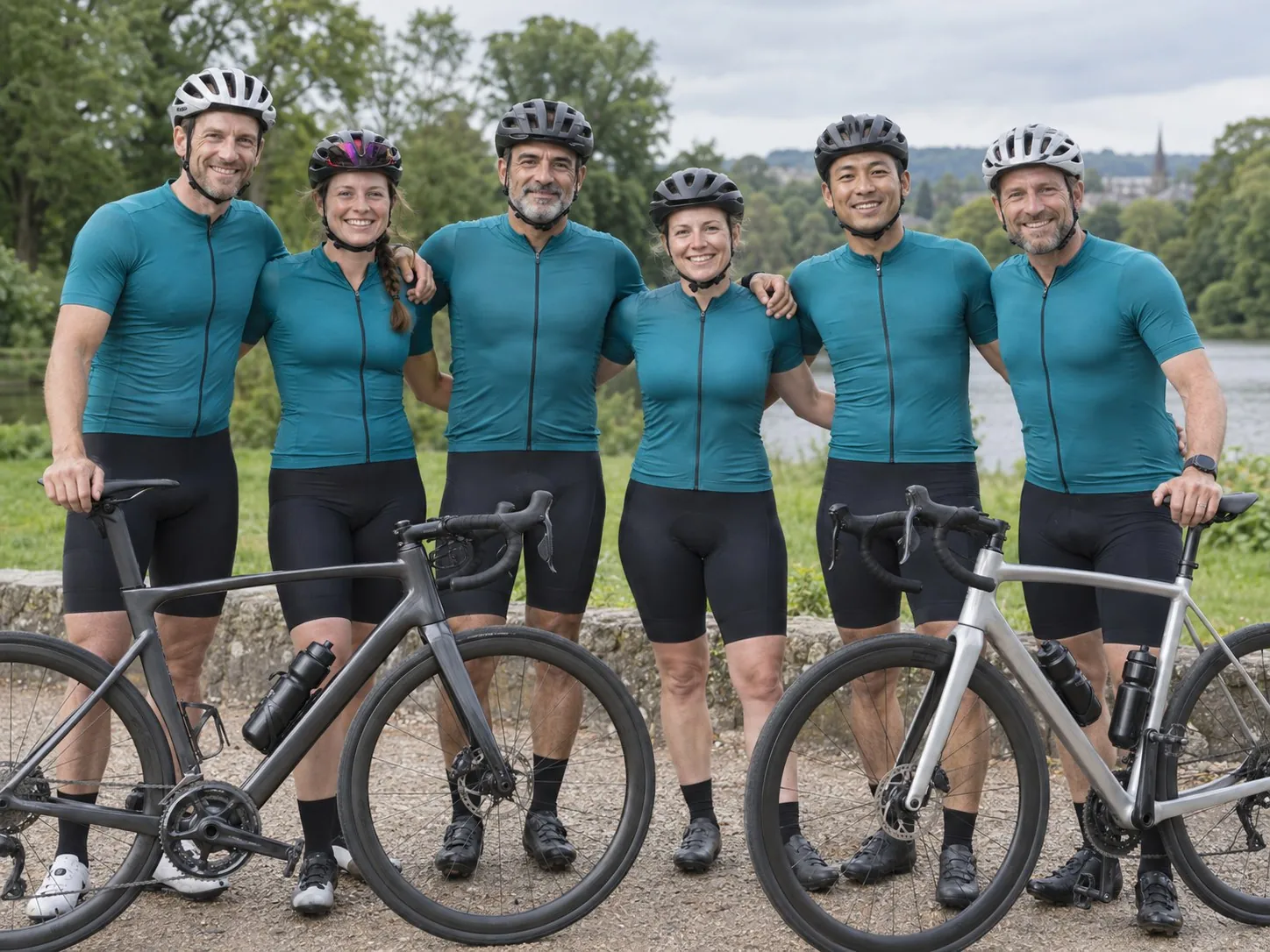
CASE STUDY · CUSTOM CYCLING APPAREL
Custom Cycling Apparel Case Study:
US$55K Saved | Sportxia
 LucasUpdated October 21, 2026
Saved on rush charges
and supplier markups
Shorter total
production lead time
Wash-tested without
sponsor-logo distortion
Seam failure across
the delivered kits
Client Profile
| Industry | Competitive cycling club |
|---|---|
| Club size | 80+ racing members |
| Location | United Kingdom |
| Annual kit budget | Approximately £100,000 |
| Starting challenge | A 90-day supplier schedule missed race dates; rush freight and markups absorbed US$55,000 a year, while sponsor graphics distorted on the riding kit. |
| Project brief | Move to direct manufacturing, develop the aerodynamic fit and panel construction, and shorten the total lead time by 30% while reducing the cost of club-kit procurement. |
The club and project personnel are anonymous. Redacted season schedules, customer-reported wind-tunnel results and wash-test records may be requested under a confidentiality agreement.
The Challenge
This custom cycling apparel case study began with a UK club whose kit could not keep pace with its race calendar. The team needed its sponsor marks to remain clear in photographs, its fit to work in a low riding position and its deliveries to arrive before the events for which they were ordered.
Four recurring problems made the earlier supply arrangement expensive and difficult to manage:
- A 90-day schedule left little room for change. Late rider additions and revised sponsors could not be absorbed into the vendor’s fixed production calendar. A mid-season addition took five weeks and carried a 280% rush surcharge.
- US$55,000 a year went to rush charges and markups. The club paid for expedited freight and intermediary cost layers while the vendor relied on subcontractors outside its direct production control.
- Sponsor marks distorted in the riding position. A graphic approved on a flat screen changed shape when the side panel stretched. Artwork crossing the panel seam was particularly vulnerable to splitting and misalignment.
- Generic material choices limited performance. The previous kit used heavy, undifferentiated fabrics instead of matching the material to movement, compression and airflow in each garment zone.
The club had already asked its vendor for a faster service. The promise changed, but the approximate 90-day cycle and recurring graphic defects remained. Sportxia addressed the production workflow and garment specification together.
The Solution
Sportxia reorganized the project around three connected interventions: an earlier design release, materials chosen by body zone and a production check of durability and sponsor presentation.
Phase 1: Workflow Rebuild
The first step was to approve the rider size list and sponsor artwork on day one. That gave pattern making, graphic preparation and cutting a shared release point, reducing the late decisions that had previously held up the whole order.
Sportxia then placed the 2D artwork on a 3D riding model. The preview checked the sponsor marks across the stretched side panel and its seam before a physical sample was cut. The team could revise the panel layout and print placement together, rather than discover a distorted sponsor logo only after sampling.
Pattern development, printing, cutting and sewing were coordinated within the production program. This gave the club one schedule for the kit and a practical route for approved mid-season additions.
Phase 2: Zone-Specific Fabric Engineering
The material map followed the job of each panel. Sportxia used a high-stretch polyamide blend for the compression side zones, a ribbed sleeve textile for airflow management and a silicone waist gripper to hold the hem in place during riding.
- Side panels: stretch and compression supported the close riding fit while the artwork preview checked how the sponsor layout behaved across the panel junction.
- Sleeves: ribbed texture and flush flatlock construction formed the tested sleeve configuration.
- Waist and hem: the silicone grip reduced ride-up, helping the jersey stay in its approved position during training and racing.
The club supplied controlled wind-tunnel comparisons for these zones. The complete figures and conditions are retained in the results table below; they describe the tested rider and setup rather than a universal performance gain.
Phase 3: Durability and Brand Integrity
The printed polyester panels used dye-sublimation so the colour was carried within the compatible textile rather than applied as a surface graphic that could crack. The selected stretch panels, print process and seam placement were approved as a complete kit. The production wash evaluation ran for 100 cycles with zero sponsor-logo distortion.
For the bib shorts, the production team replaced the earlier single-density pad with a multi-density foam chamois. The design combined support under the sit bones with the needs of the club’s five-hour training blocks, addressing the loss of support reported with the earlier foam.
Quality checks covered underarm seam strength, chest-logo definition, silicone-gripper elasticity and side-panel stretch recovery. The delivered kits recorded zero popped stitches. The checks followed the same emphasis on clear, order-specific references used in Sportxia’s ice hockey jersey program, which recorded zero name and number errors.
The Results
Swipe or use the buttons to view every column.
| Measure | Before | After |
|---|---|---|
| Production lead time | 90 days as the comparison baseline | 63 days · 30% shorter |
| Annual rush fees and supplier markups | US$55,000 | US$0 |
| Sponsor-logo distortion | Recurring around side-panel seams | 0% after 100 washes |
| Mid-season rider addition | Five weeks; 280% surcharge | Fabric cut the same day |
| Seam integrity | No test baseline | Zero popped stitches |
| Side-panel aerodynamic comparison | No comparison recorded | −0.002 CdA · 1.5W saved |
Wind-Tunnel Data — Client-Reported
Swipe or use the buttons to view every column.
| Zone | Fabric / construction | Condition | CdA change | Power saved |
|---|---|---|---|---|
| Side panels | High-compression polyamide blend | 0° yaw | −0.002 | 1.5W |
| Sleeves | Ribbed textile; flush flatlock seams | 5° yaw | −0.004 | 2.5W |
| Waist / hem | Silicone grip; no ride-up | Seated sprint | −0.001 | 0.5W |
Test context: the aerodynamic figures apply to the customer’s controlled comparisons. Rider position, speed, yaw and test setup affect the measured result. The rows represent different conditions and should not be added together as a single power-saving claim.
Validation: the cost comparison used the club’s previous three seasons of vendor expenditure alongside the direct-manufacturing invoices. The 100-cycle wash records came from the production testing program. Wind-tunnel data was supplied by the client. Read Sportxia’s fact-checking process.
Key Takeaways
The lessons from this custom cycling apparel case study concern cost control, sponsor visibility and the ability to support a race season after the first delivery.
- Direct sourcing removed recurring cost layers. The US$55,000 annual saving came from eliminating the earlier rush-fee and markup burden, rather than treating a lower unit quotation as the only measure of value. Comparing three seasons of earlier spending with the new invoices made the purchasing change reviewable.
- A virtual riding-position review protected sponsor presentation. The 3D check connected 2D graphics with the garment’s stretched shape and side seam before cutting. That moved the logo correction earlier in development and helped the final print layout remain intact through the 100-cycle wash evaluation.
- Each body zone needed a distinct material and construction. Compression side panels, ribbed sleeves and a stable silicone-grip hem did different jobs. The club’s wind-tunnel table preserves the measured changes: −0.002 CdA / 1.5W at the side panels, −0.004 / 2.5W at the sleeves and −0.001 / 0.5W at the hem, under their separately recorded conditions.
- Small mid-season additions revealed whether the workflow was flexible. A two-jersey addition had previously attracted a 280% surcharge and a five-week wait. The new program could cut the approved fabric that afternoon. Same-day cutting describes the production start, not a promise of same-day finished delivery. Explore Sportxia’s custom cycling apparel capabilities to discuss the kit specification and repeat-order plan.
Season schedules, redacted invoice comparisons, wind-tunnel reports and wash-test records can be reviewed subject to client permission and a confidentiality agreement. Contact Sportxia to request the performance file.
How Sportxia reviews manufacturing information and corrections: Fact-Checking Process. To report an error, email [email protected] with the article link and supporting information.
MORE CASE STUDIES
See More Case Studies

Custom Swimwear: A Shorter Sourcing Cycle

Ice Hockey Jerseys: Team Uniform Delivery
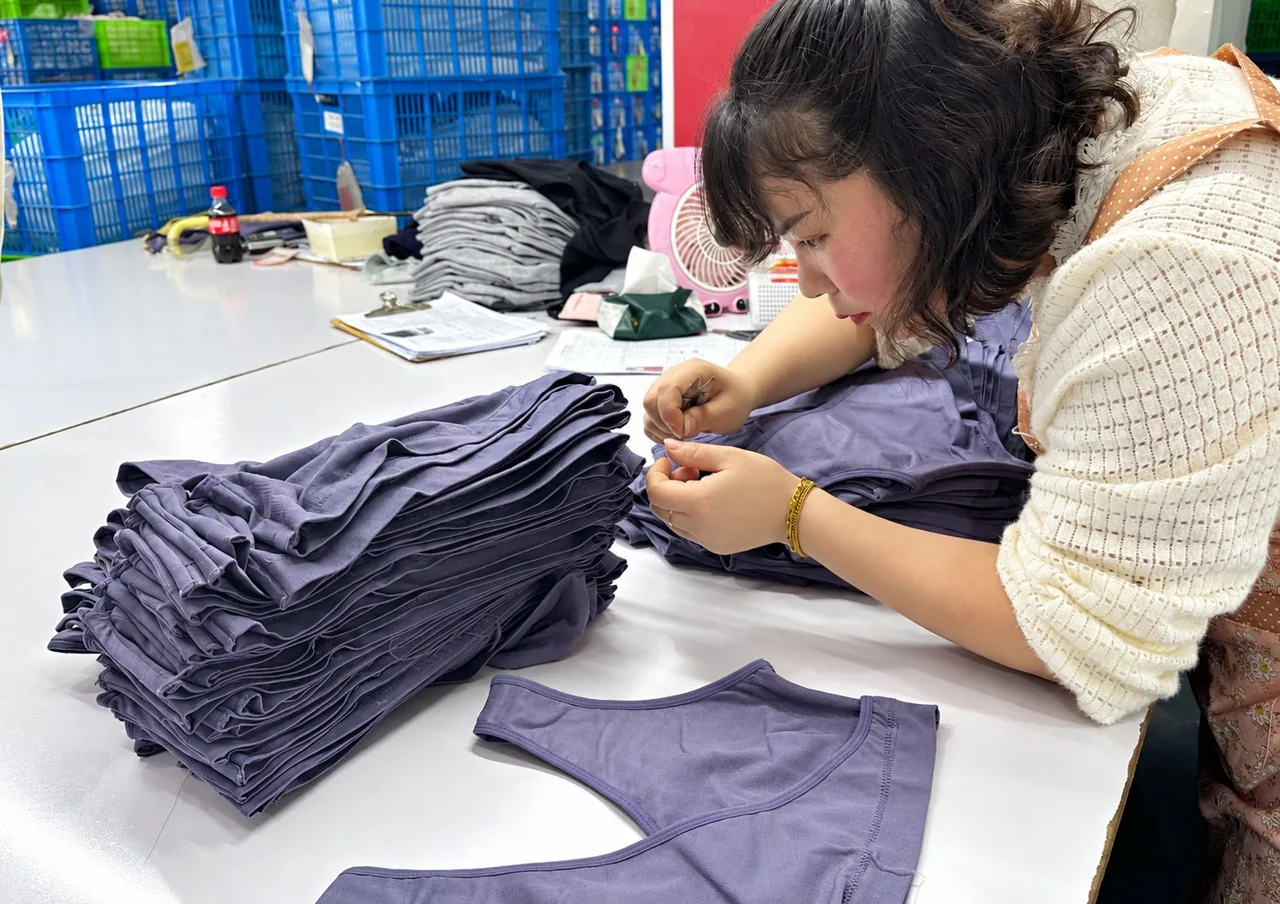
Corporate Activewear: A Coordinated Rollout
YOUR CYCLING APPAREL PROJECT
Plan Your Club’s Next Season
Send your rider numbers, kit references, sponsor artwork and race calendar. Sportxia will reply within 24 hours with the next steps for your quotation, samples and production schedule.
Discuss Your Cycling Kit →