AMAZON FBA PRIVATE LABEL APPAREL
Test Your Product.
Build Demand.
Restock Before Your Listing Loses Momentum.
Sportxia brings low-MOQ sportswear manufacturing, approved samples, documented quality checks and FBA packaging into one production plan. Start with a focused test order, prepare every shipment for receiving, and reserve capacity for the styles your customers choose.
WHAT WE MAKE
Custom Sportswear for Online Sellers
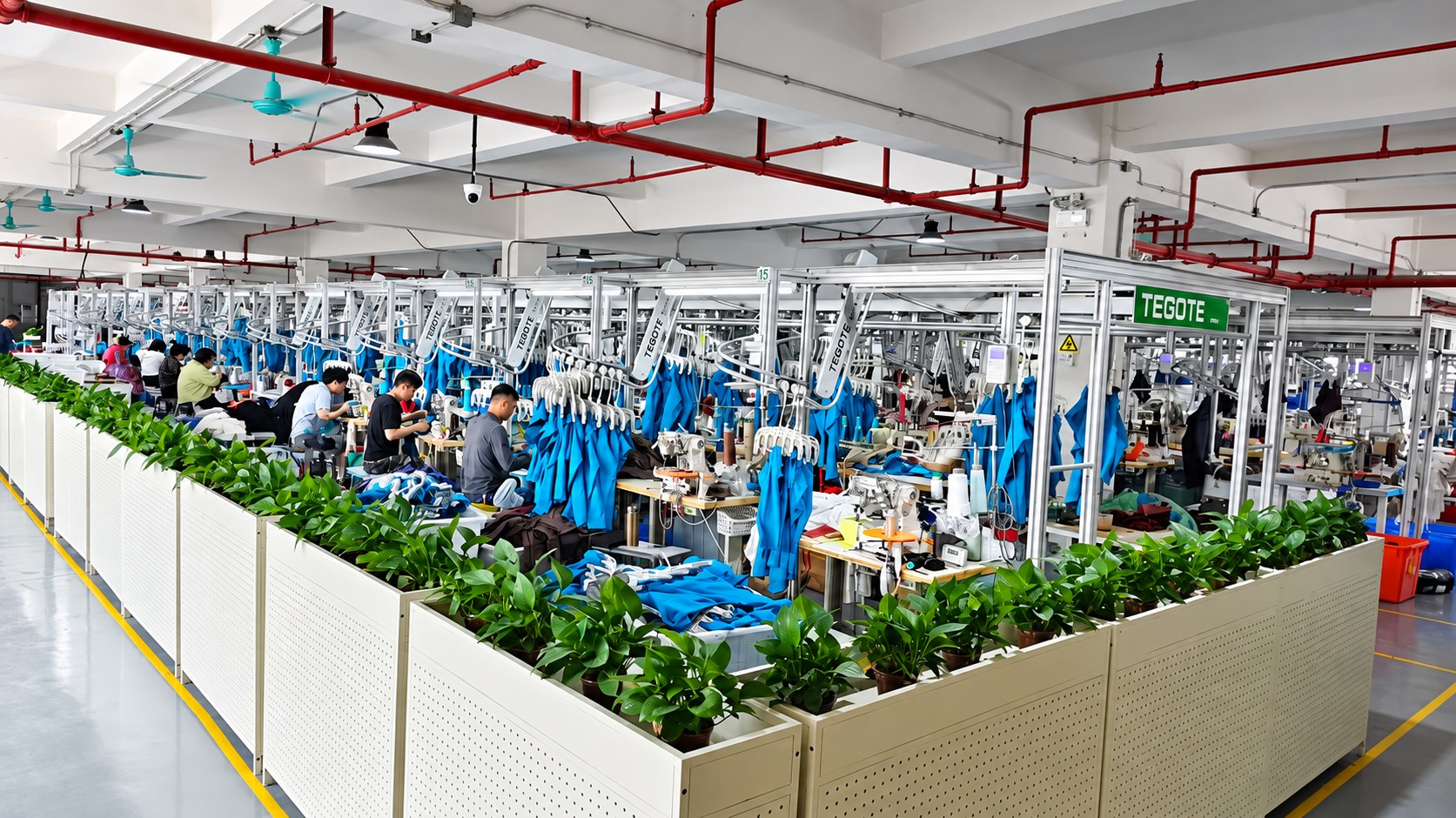
Sportxia’s production workflow connects pattern development, cutting, knitting, sublimation and sewing with market-specific grading and private label packing.
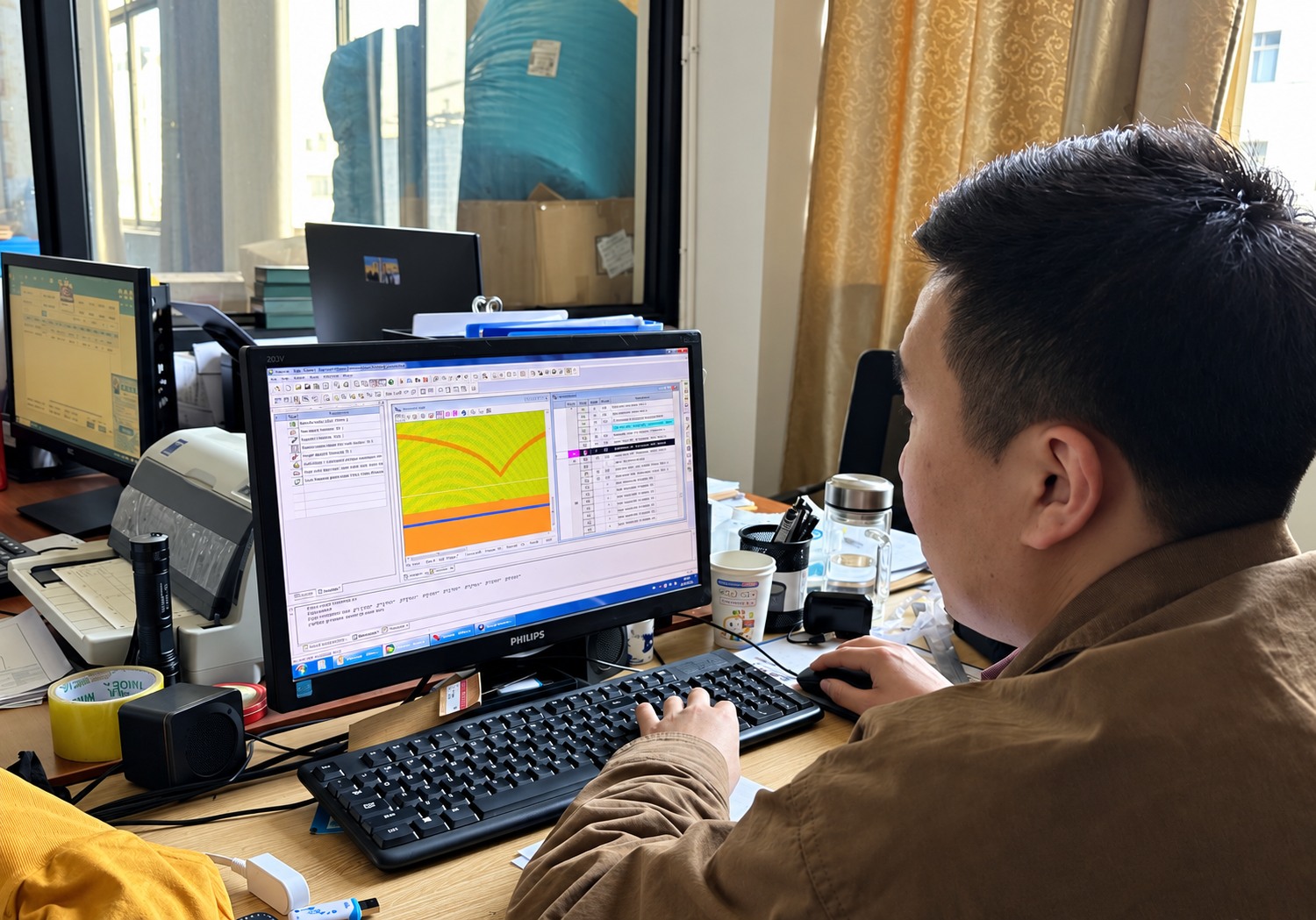
In-House Pattern Making
Develop garment patterns from your tech pack or reference with the production team.
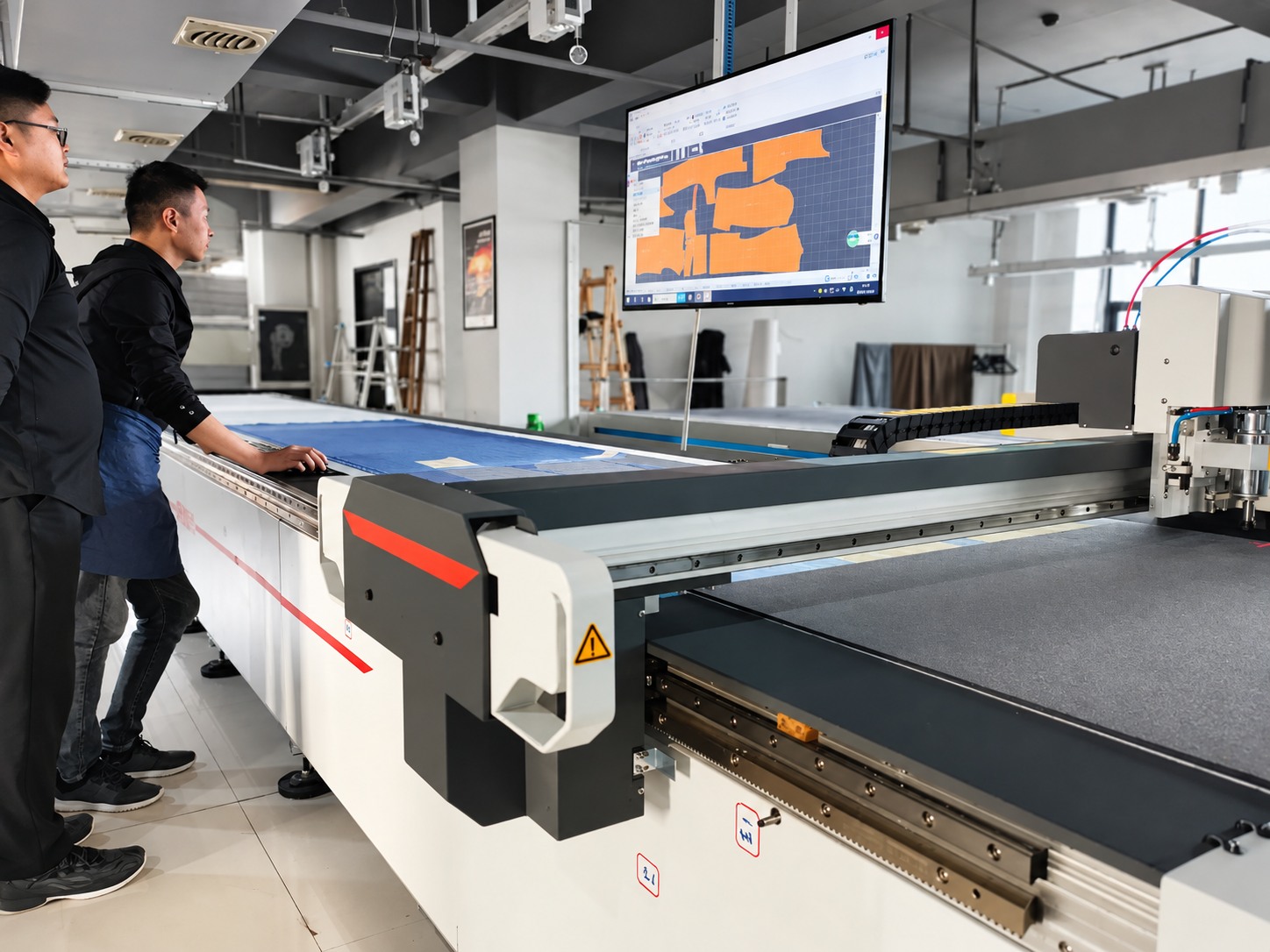
Precision Cutting
Keep panel shapes and cutting dimensions consistent from the approved sample to the bulk run.
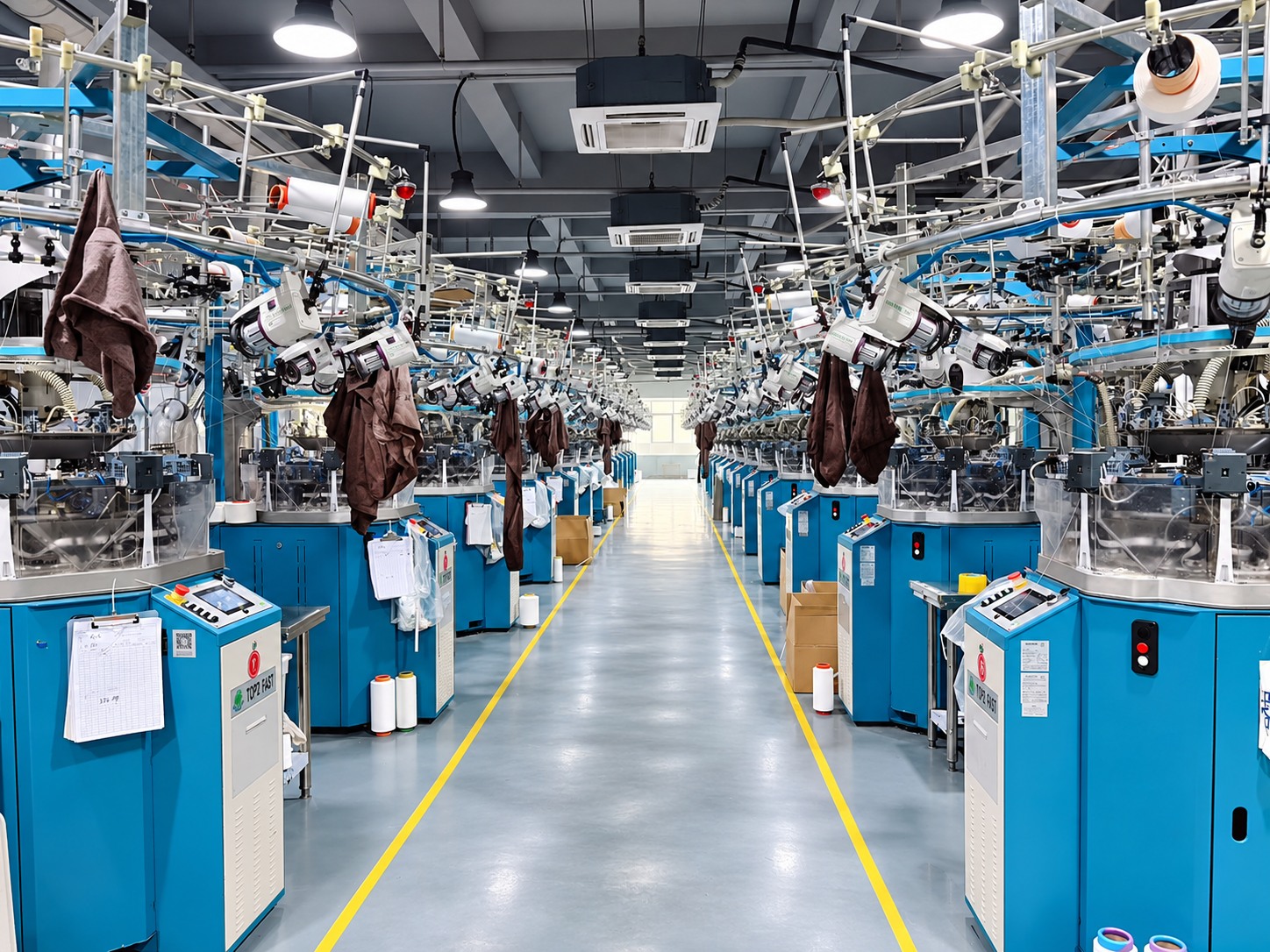
Seamless Knitting
Explore knitted constructions that reduce seams and support comfortable performance wear.
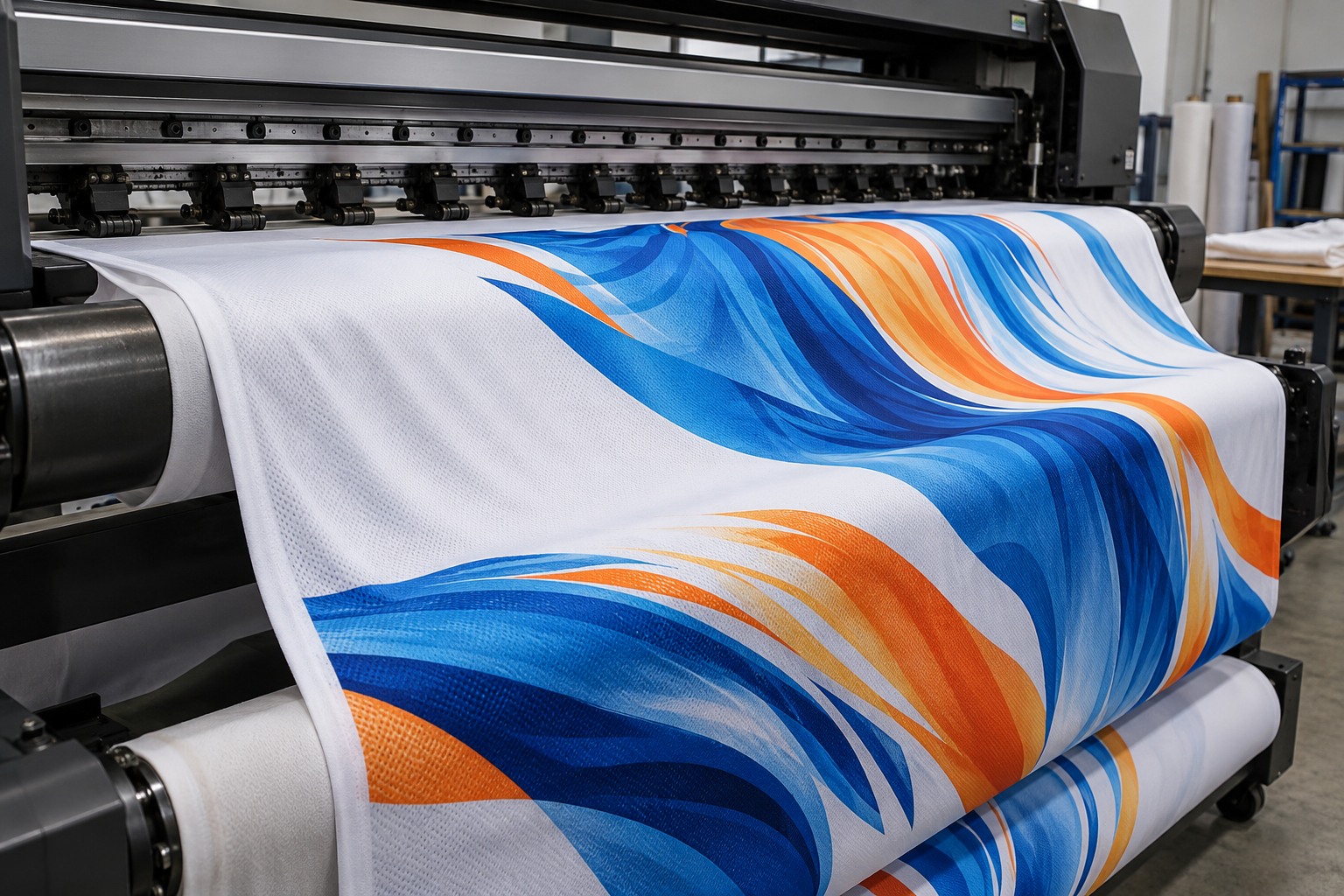
Digital Sublimation
Build detailed, multi-color artwork into the fabric with all-over sublimation printing.
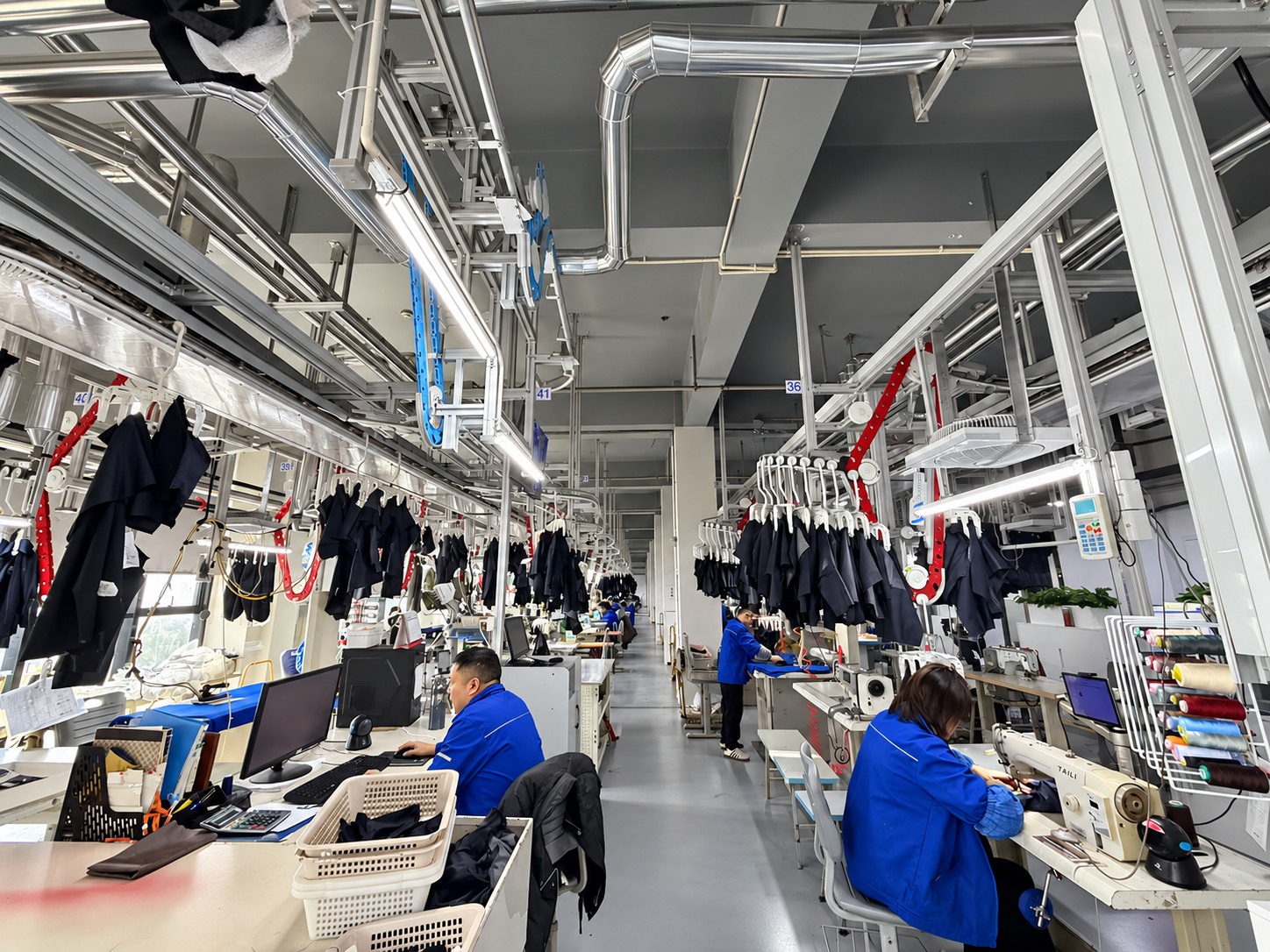
Cut & Sew Production
Coordinate sample approval, garment assembly, inspection and final packing through one workflow.
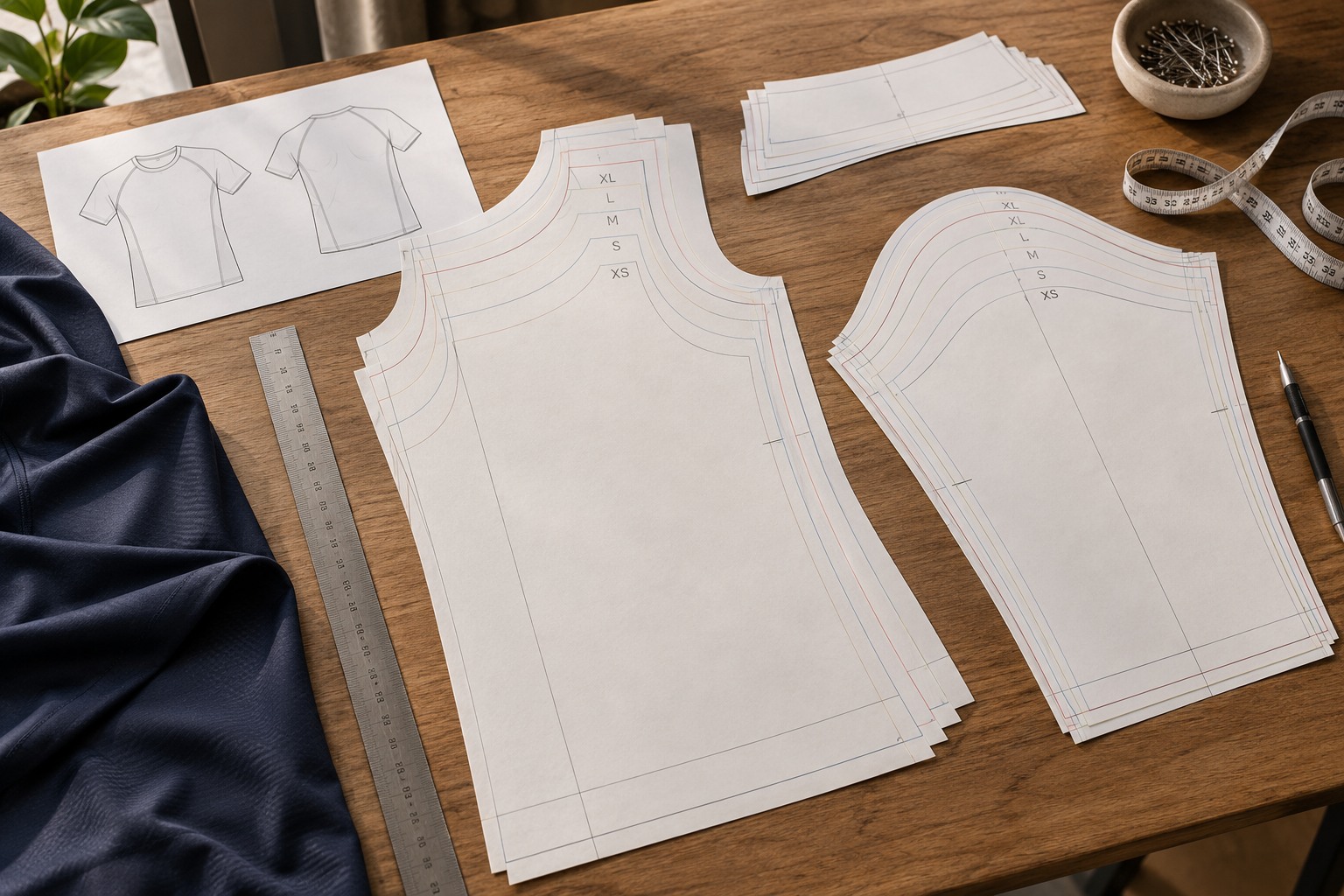
US / EU Size Grading
Use measurements and grade rules designed for the customers in your intended sales market.
Manufacture private label yoga and training wear, cycling apparel, team kits, swimwear, golf clothing and outdoor collections for Amazon FBA, Shopify and your own store. Compare the activewear manufacturing solution →
THE FBA JOURNEY
Five Stages from Product Idea to FBA Receiving
Open a stage to review the risk, the sourcing decision and the practical checks that move your order forward.
01Selection & Compliance
MOQ 100 units
A large opening order can become unsold stock; incomplete origin or care information can also put a listing at risk.
PROCUREMENT INSIGHT
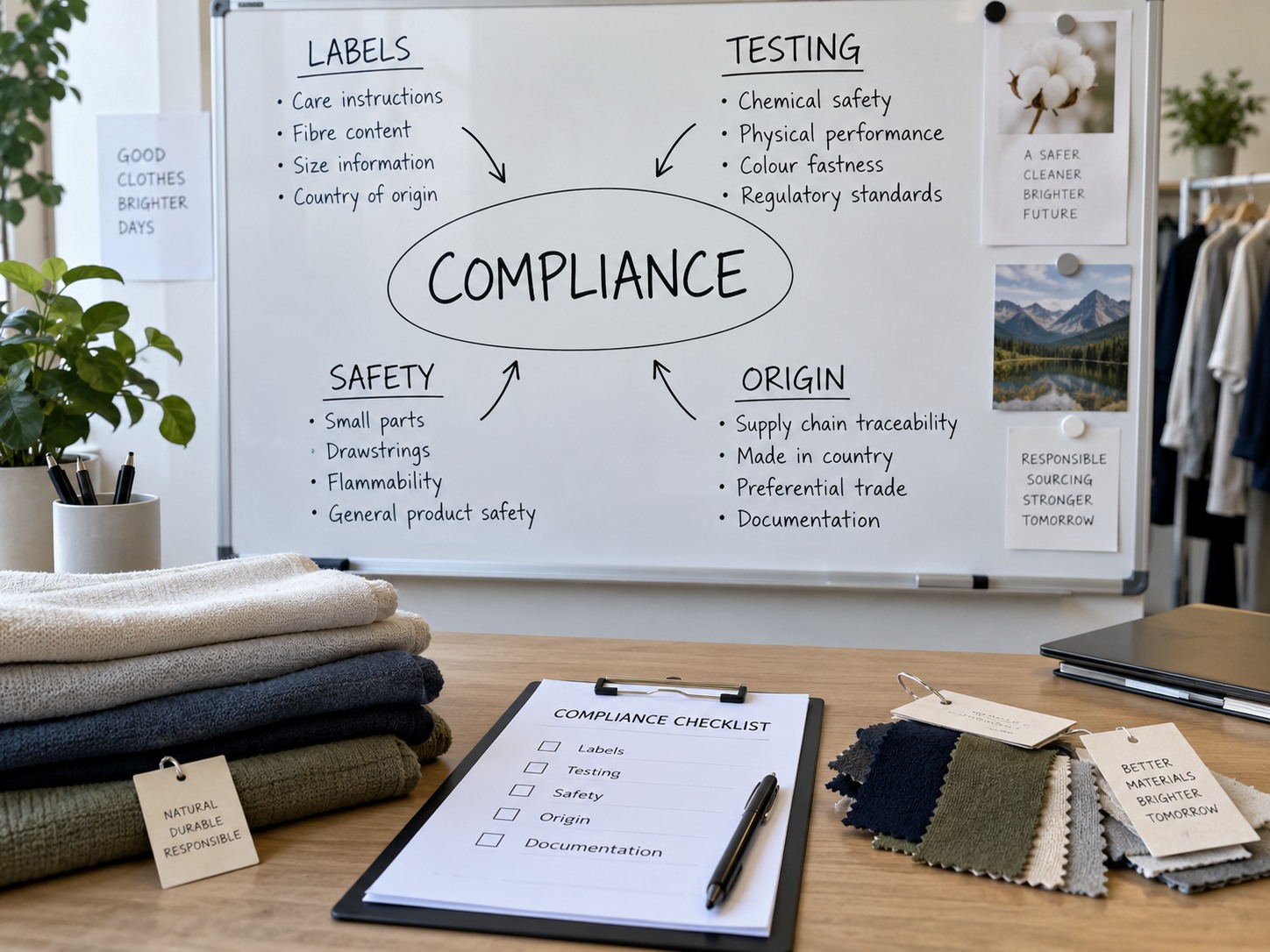
Resolve the product’s destination-market requirements before approving a price. Match material evidence, labeling and any required testing to the exact garment and customer age group.
Start with the Product and Its Compliance Brief
Review search demand, expected selling price and the amount you can afford to test. Ask which tests apply, who carries them out and which records accompany your order. Request redacted examples that protect other clients’ information.
- Validate demand before committing to inventory.
- Confirm labeling and test requirements before sampling.
- Agree the product records and testing scope in the quote.
02Sampling & Approval
Samples: 7–15 days
A late sample with the wrong shade or fit delays photography and can close the launch window before stock is ready.
PROCUREMENT INSIGHT
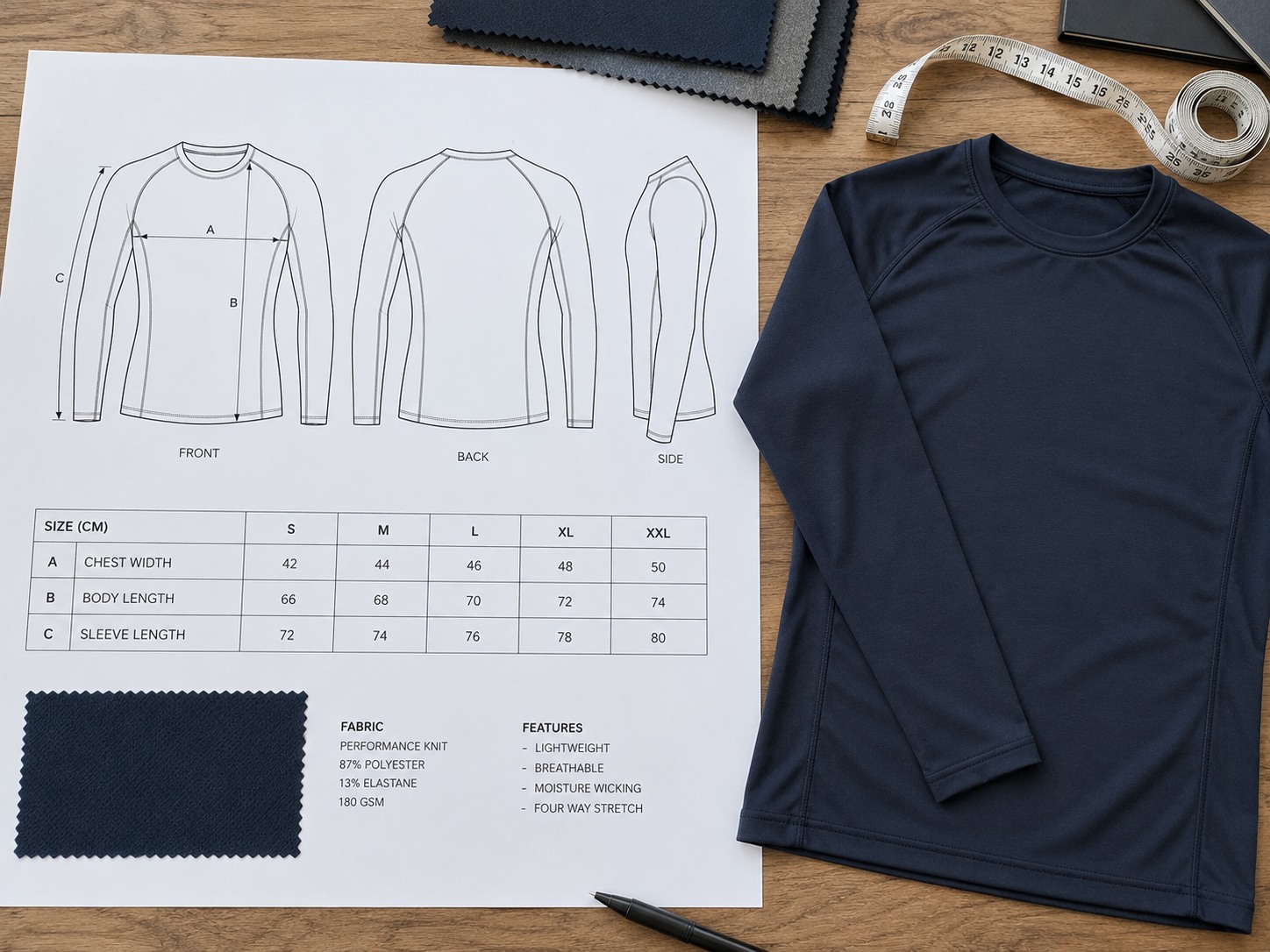
A clear sample workflow keeps development decisions connected. The physical sample must be approved against the written specification before bulk production starts.
Approve a Physical Sample Before Bulk Cutting
Check color, drape, measurements, construction and branding together. Record revisions in one file, then retain the signed-off garment as the benchmark for both the first order and reorders.
- Develop the physical sample in 7–15 days after inputs are confirmed.
- Resolve fit, fabric and artwork revisions before approval.
- Archive the approved sample and measurement specification.
03Production & Quality Control
Production: 15–30 days
The second batch arrives darker or fits differently, and product reviews begin to reflect the inconsistency.
PROCUREMENT INSIGHT
Quality must be measured against an agreed standard. Define the inspection plan and receive the results before the shipment is released.
Measure the Order, Then Approve Dispatch
Use an AQL 2.5 sampling plan where agreed, with measurements, shade, seams and finishing checked against the approved specification. Photos and inspection records make the release decision reviewable.
- Allow 15–30 days for production after sample and material approval.
- Review inspection photos and reports before dispatch.
- Post-delivery remakes or refunds have affected fewer than 0.3% of units.
04FBA Prep & Labeling
Prepared for FBA inbound
A shipment reaches the fulfillment center with unreadable labels, unsuitable bags or cartons that do not match the receiving plan.
PROCUREMENT INSIGHT
Packing needs a written specification, just like the garment. Unit identifiers, warnings and carton contents must be checked against the seller’s shipment instructions.
Prepare Units and Cartons as One Packing System
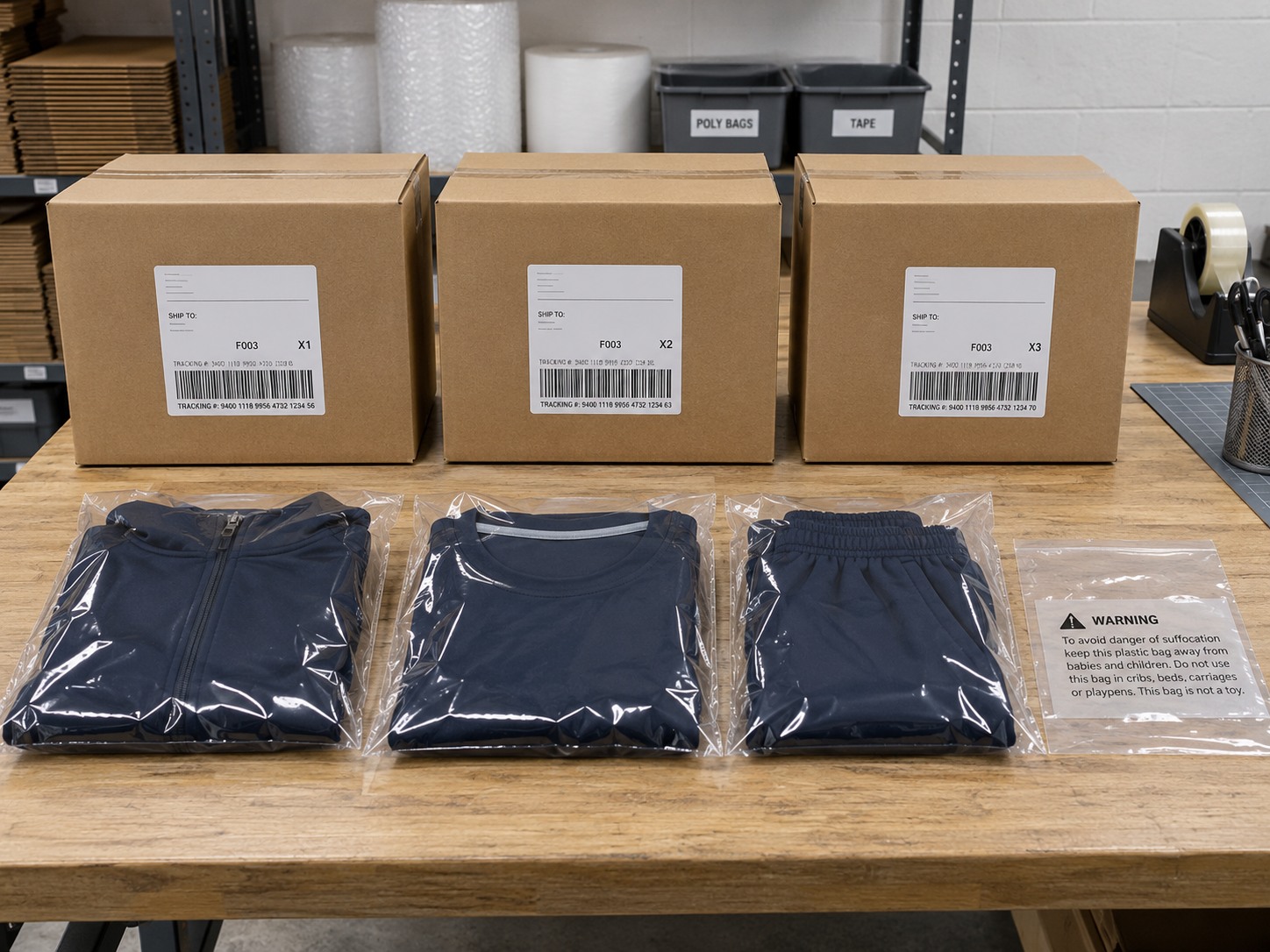
Confirm bag construction, barcode visibility, label placement and carton allocation before packing begins. Keep Amazon-generated box labels separate from the product’s FNSKU or other required unit identifier.
- Specify 1.5 mil or thicker poly bags where applicable.
- Apply and check unit barcodes and required warning information.
- Match carton labels and contents to the shipment plan.
05Warehouse & Replenishment
DDP to 40+ countries
A winning listing runs out of stock while the next production slot is still weeks away; overbuying creates a different inventory cost.
PROCUREMENT INSIGHT
Reserve material and capacity using the SKU’s actual sales performance. Replenishment decisions need to be part of the original manufacturing plan.
Book the Next Production Slot Before Stock Runs Low
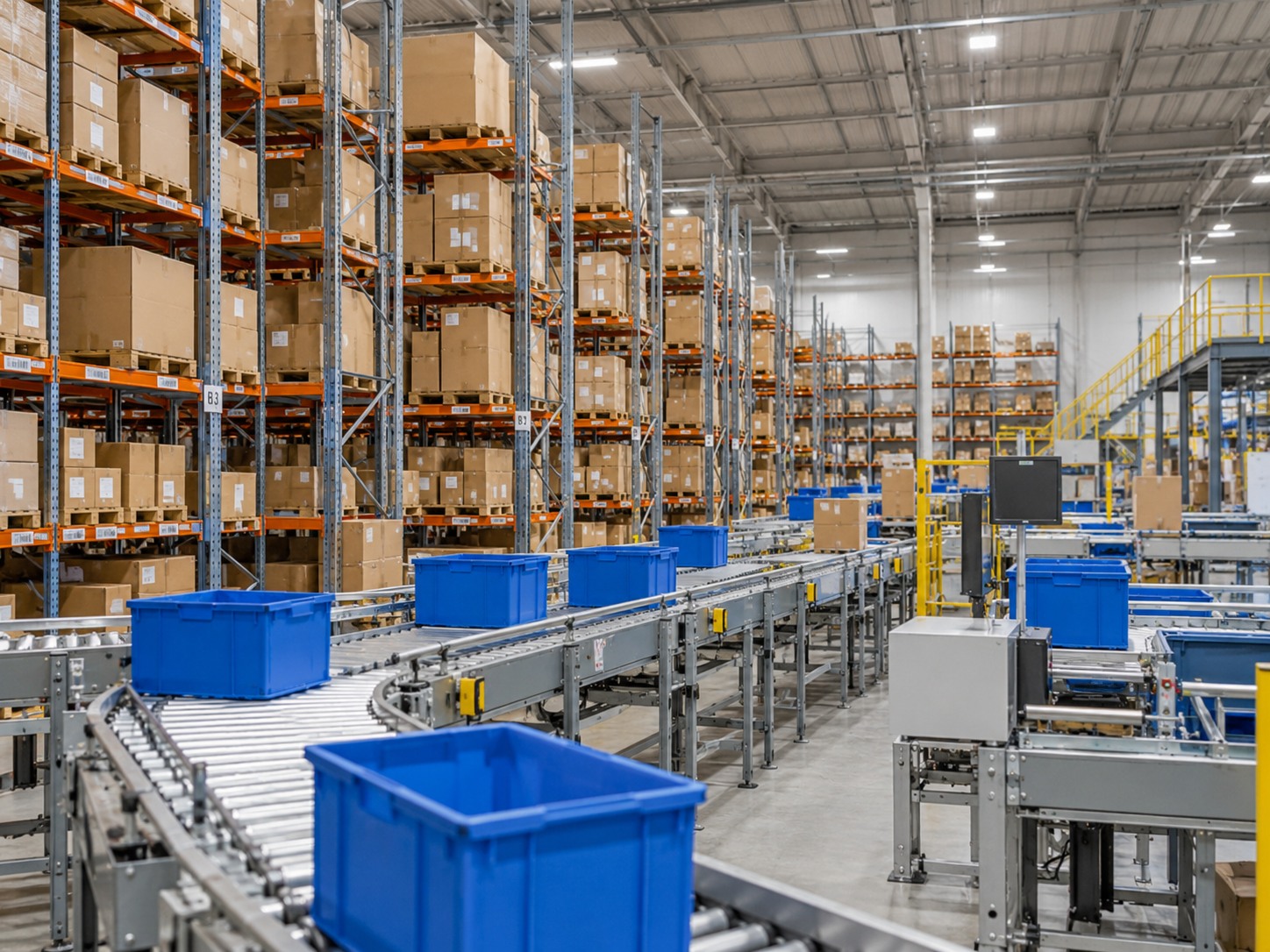
Plan reorder timing, destination allocation and DDP delivery together. Retained patterns, material records and inspection criteria keep the proven product consistent as quantities increase.
- Reserve production capacity for planned reorders.
- Split deliveries between the marketplaces that need stock.
- Scale validated styles under the same inspection requirements.
HOW THE PROCESS WORKS
From Your Product Brief to FBA-Ready Stock
A five-step workflow keeps the approved garment, inspection records, packaging and replenishment schedule connected.
 01
Product & Compliance Brief
Map the garment, buyer and sales destination to its labeling, safety and testing requirements.
- 02
Tech Pack & Physical Sample
Turn references into a clear production specification and an approved physical garment.
- 03
Bulk Production & Statistical QC
Schedule the run for the target inbound date and inspect against the approved sample.
- 04
FBA Prep, Labeling & DDP Delivery
Check unit identifiers, bag warnings and shipment labels, then coordinate the agreed DDP route.
- 05
Replenishment
Reserve a reorder slot for proven styles and plan the next delivery before inventory runs low.
KNOW YOUR OPTIONS
Compare Production Models and FBA Prep Responsibilities
Choose the production model for your stage, then make sure the agreement identifies who prepares the shipment for receiving.
| Decision | Low-MOQ Manufacturing | Print-on-Demand | High-Volume Factory |
|---|---|---|---|
| Opening quantity | 100 pieces per style | Typically no bulk MOQ | Large production runs |
| Unit cost | Mid-range; improves with volume | Usually highest | Usually lowest at scale |
| Labels & packing | Custom brand system | Restricted options | Custom brand system |
| New-design testing | Approved physical prototype | Selected catalog bases | Custom development for a larger run |
| Scaling a proven SKU | Retain the approved QC standard | Margins depend on base-product pricing | Designed for volume |
| FBA preparation | Included in the agreed scope | Arrange separately | Confirm the factory’s scope |
| Responsibility | In-House FBA Preparation | General Factory | Factory + 3PL Prep |
|---|---|---|---|
| Who manages the inbound spec | One manufacturing and packing team | Seller arranges the missing prep work | A separate prep company |
| Unit identifiers & warnings | Applied before packing | Require a separate agreement | Applied at the prep warehouse |
| Responsibility for prep errors | Set out in the production agreement | Shared between supplier and seller | Shared across factory and prep provider |
| Inbound workflow | Production and prep in one schedule | Additional vendor and lead time | Additional receiving and scheduling step |
| Prep charges | Itemized within the quote | Separate service cost | Per-unit prep fees |
Compare each supplier’s written scope, prep specification and past receiving records. Confirm product-specific timing and costs before placing the order.
WHAT IT COSTS & WHEN
MOQ, Lead Times and the Drivers of Unit Cost
Samples take 7–15 days, production takes 15–30 days after approval, and express transit takes 7–12 days after dispatch. Your quote connects those stages to the target receiving date.
TEST ORDER
100 units per style
Validate a design with a manageable opening quantity across the agreed colors and sizes.
Product validation · listing photography · first market test
SCALING ORDER
500–2,000 units
Spread fixed development and setup costs across more units once the SKU has proven demand.
Validated products · seasonal inventory · FBA volume
REPLENISHMENT
2,000–5,000+ units
Plan repeat capacity and material availability for consistent supply of your bestselling styles.
Bestseller restocks · multiple marketplaces
What Shapes Your Unit Price
- Fabric: weight, stretch, finish and specialty performance influence material cost. Stock options can simplify the opening order.
- Trims: zipper choice, gripper elastic, buttons and custom components are priced in the product brief.
- Decoration: confirm sublimation coverage and any embroidery or screen-print placements.
- Quantity: pattern work, cutting setup and inspection costs are distributed across the order volume.
- Packing: define the standard FBA bag and label scope; add branded boxes, tags and retail upgrades separately.
How We Prepare Your Quote
- Send a product reference, quantities, platform and destination.
- Receive fabric, labor, decoration, packing and freight as clear cost lines within 24 hours.
- Confirm the specification and volume tier before sampling begins.
WHY SELLERS TRUST THE NUMBERS
A Manufacturing Partner You Can Evaluate
Review the production capacity, delivery performance and quality records behind your sourcing decision.
ON-TIME INBOUND
Orders dispatched on or before the agreed inbound schedule, recorded per order.
CLIENT RETURN RATE
Average returns across delivered ecommerce client orders.
PRODUCTION LINES
Dedicated production capacity for trial runs and repeat orders.
SQUARE METERS
Pattern development, cutting, sewing and packing in our China facility.
Sportxia’s reported figures cover 150+ active ecommerce client accounts from January 2022 to June 2026, using production, quality-control and shipping records. See our fact-checking process for metric definitions and how to request supporting evidence.
CLIENT OUTCOMES
How Sellers Grow with a Repeatable FBA Process
Two Sportxia projects connect an affordable test order, approved fit and documented quality checks with the next reorder.
CASE 01 · US AMAZON FBA SELLER
A Small Test Identifies the Color to Scale
THE CHALLENGE
The seller wanted to enter yoga leggings without committing cash to a large, unproven range. High supplier minimums and uncertainty over fit made the first order difficult to approve.
OUR APPROACH
Sportxia developed the product from a reference and initial measurements, then checked the market-specific fit and product records. The trial covered 120 units in three colors, with physical sample approval before cutting and inspection photos before release.
THE RESULT
First-order sell-through reached 71%. The strongest color now reorders at 1,800 units per month, using the retained specification and the same inspection standard.
CASE 02 · US & UK MARKETPLACE SELLER
Re-Grading Reduces Size-Related Returns
THE CHALLENGE
A product sold in both markets used a domestic size grade that did not match customer expectations. Poor fit generated return shipping, refunds and reviews that weakened the listing.
OUR APPROACH
The measurement chart was rebuilt for US and European customers with both inches and centimeters. That approved chart became the reference for cutting, assembly and every pre-shipment measurement check.
THE RESULT
Size-related returns fell from 16% to 4.1% in one quarter. Reorders take 21 days after sample approval, allowing replenishment within the selling season.
INDEPENDENT VERIFICATION
Certified Standards. Third-Party Verification.
Sportxia’s certifications, audit records and product compliance reports are issued or assessed by independent third parties. Relevant documents are available on request.

COMMON QUESTIONS
FBA Questions to Resolve Before Your First Order
Clear answers about minimums, sampling, packing, quality and replenishment.
What is the minimum for my first Amazon test order?
Start at 100 pieces per style. Agree the color and size breakdown in the quote, and combine suitable styles in one shipment where practical. The unit cost at test volume is higher because development and setup are spread over fewer pieces; the approved product can then move into a larger pricing tier.
Do you handle FBA packing and labels in-house?
Yes. The packing brief covers garment bags, warnings, unit identifiers, carton contents and the seller’s shipment labels. Your order agreement defines who supplies each file, who checks it and who is responsible if the approved prep specification is not followed. Review packaging options →
How do you plan compliance for US and EU sales?
Start with the product, intended wearer and destination. Review applicable US fiber and care-label rules, children’s-product testing where relevant, and EU chemical requirements. Confirm the laboratory, test scope, cost and documents before production; each order needs records that match its actual materials and claims.
What are the sample, production and shipping lead times?
Sampling takes 7–15 days after the specifications and materials are confirmed. Bulk production takes 15–30 days after approval. Express transit takes 7–12 days after dispatch; the confirmed repeat-order case on this page has a 21-day production lead time. We set out the full approval-to-inbound calendar in your order plan.
Can you deliver directly to an Amazon fulfillment center?
Yes. Provide the receiving destination and shipment instructions, including the required unit identifiers and Amazon-generated carton labels. We coordinate packing and the quoted DDP route so freight, duties, taxes and delivery scope are agreed before dispatch. Transit and receiving milestones remain separate in the schedule.
What if delivered garments do not match my approved sample?
Define measurement tolerances, shade references and construction criteria before the first run. If a confirmed product mismatch falls outside those agreed limits, the production agreement sets out the available remedy, such as remake, refund or credit. Pre-shipment inspection gives you a review point before release.
Can the same production setup supply Shopify or DTC orders?
Yes. The garment, labels and quality criteria can remain consistent while packing changes by channel. Choose branded retail presentation, neutral packing or FBA preparation, then allocate cartons and shipment documents to each destination.
How is this different from the Activewear Manufacturing page?
This page follows the Amazon journey from product choice through sample approval, QC, FBA prep and replenishment. The Activewear Manufacturing & Fulfillment page gives more detail on categories, fabric blends and multi-channel seller needs. See the activewear solution →
START WITH A FREE PRODUCTION PLAN
Share Your Product Brief.
Get Your FBA Plan in 24 Hours.
Get a product-specific compliance review, sample schedule, QC standard and itemized unit price. There is no fee or obligation—just a clear plan to help you choose your next sourcing step.