APPAREL SIZE GRADING SERVICES
Apparel Size Grading
Services for a
Consistent Brand Fit
Our apparel size grading services help build your collection around the people who wear it. Sportxia brings together your size chart, measurement methods, grade rules and fit samples to create a clear sizing specification for production.
THE COST OF GENERIC SIZING
Why Guesswork Sizing Hurts Your Brand?
Off-the-shelf charts can create three costly problems. A size system built around your brand helps turn a better fit into a reason to buy again.
Inconsistent Fits
When a medium fits differently from one style to the next, customers cannot rely on the label. A custom size specification connects every style to the same fit standard, helping protect the trust built with each order.
Costly Returns
A poor fit can turn a sale into return freight, handling costs and lost repeat business. Clear measurements and brand-specific grading bring fit problems into sample review, before the collection reaches your customers.
Brand Damage
Customers share the fit they experience. A disappointing garment can undermine a recommendation, while dependable sizing gives them a reason to wear, review and recommend your brand.
SIZE CATEGORIES
Comprehensive Apparel Size Coverage for Every Collection
Explore men’s, women’s and kids’ sizing references, then develop the grade rules and fit specifications for your collection.
Men’s Sizing
From close-fitting performance tops to relaxed outerwear, develop a men’s size chart around the build and fit preferences of your customer.
Women’s Sizing
Define bust, waist and hip proportions together. Grade your women’s collection to preserve its shape, comfort and intended silhouette across sizes.
Kids’ Sizing
Children’s sizing brings together growth, movement and age-appropriate proportions. Use the size reference as the starting point for a collection-specific fit.
THE PROCESS
How We Build Your Brand’s Apparel Size System?
A four-step approach takes your fit preferences through measurement development, sample review and production.
01
Define Your Fit Standard
Tell us who will wear the garments and whether the fit should be slim, regular or relaxed. Translate that brief into base measurements for your selected size range.
02
Build Your Grade Rules
Develop the increments between sizes, from XS to 3XL and beyond. Review each measurement point so proportions remain balanced as the size changes.
03
Sample & Approve
Review physical fit samples across the agreed range before production. Sampling takes 7–15 days after design specifications and materials are confirmed. Record the required changes and approve the fit.
04
Scale to Production
Carry the approved size specification into bulk production. The confirmed grade rules and measurement tolerances provide the reference for every production run.
MEASUREMENT GUIDE
Six Key Measurements That Define Your Brand’s Fit
Build your size specification on consistent measuring methods. These six points help translate the fit you want into repeatable measurements.
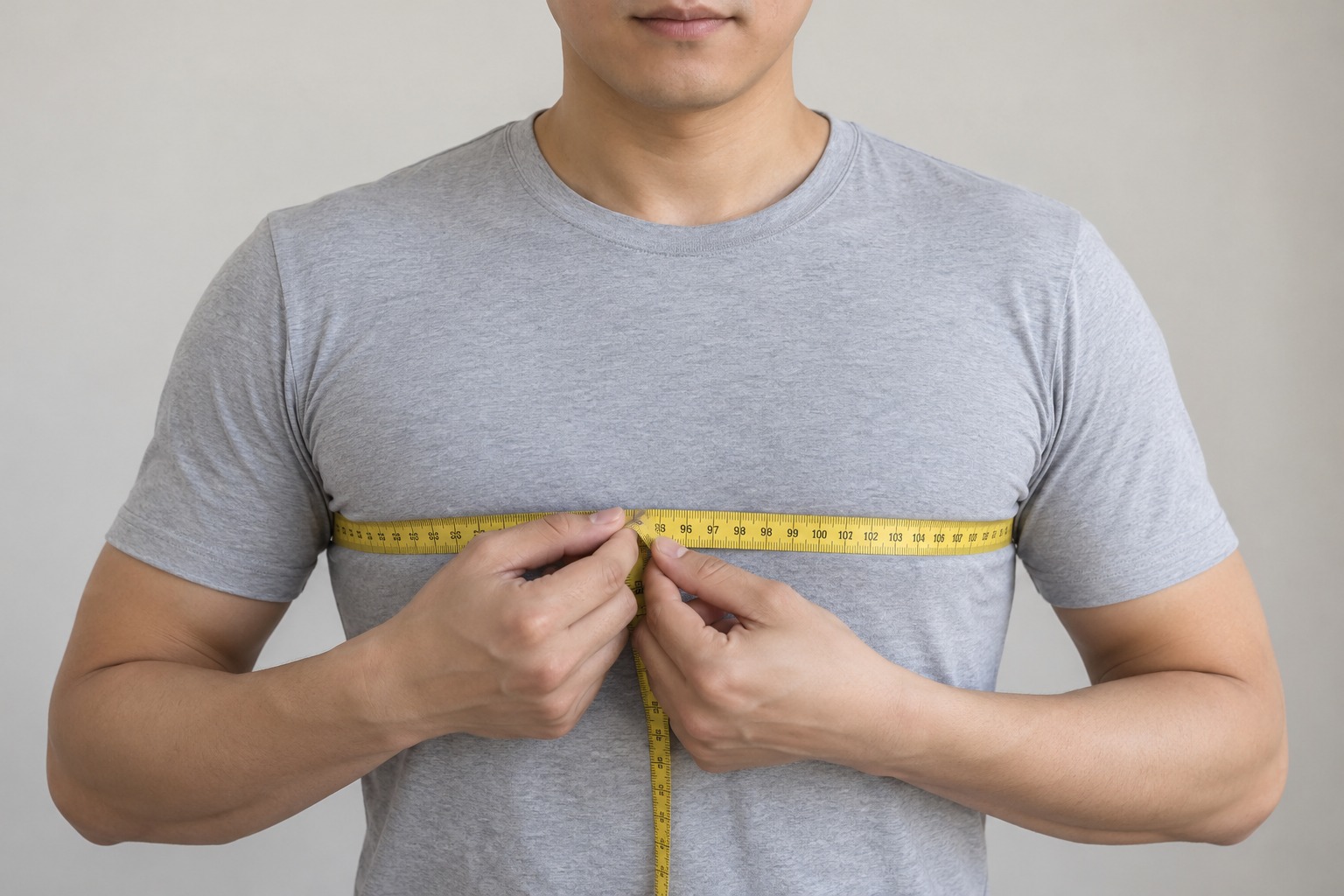
Chest
Measure around the fullest part of the chest with the tape level under the arms. Keep it close without compressing the body, with room for one finger beneath the tape.
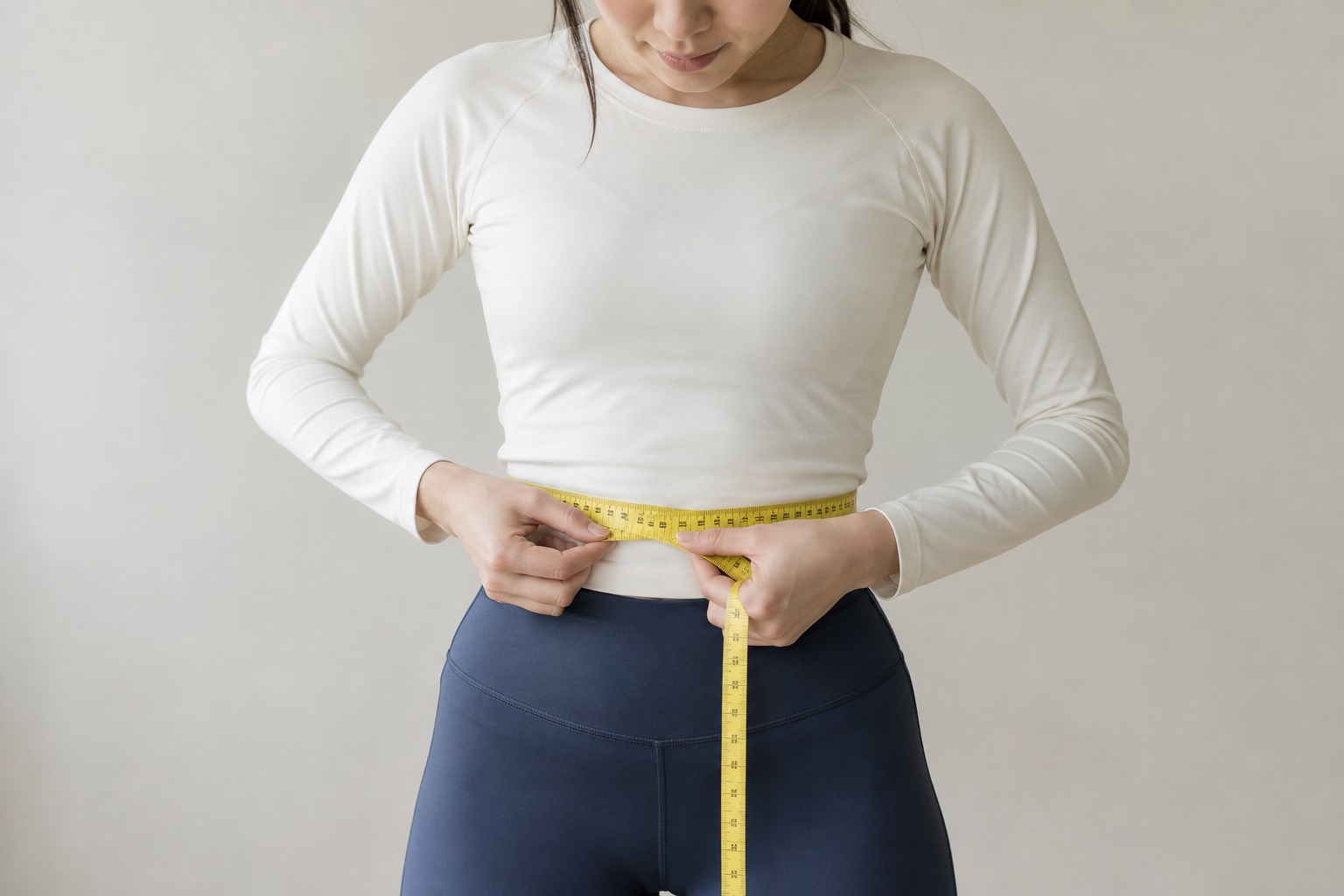
Waist
Locate the natural waist between the ribcage and hips. Keep the tape horizontal and the body relaxed. Use the same waist position when recording measurements for your size chart.
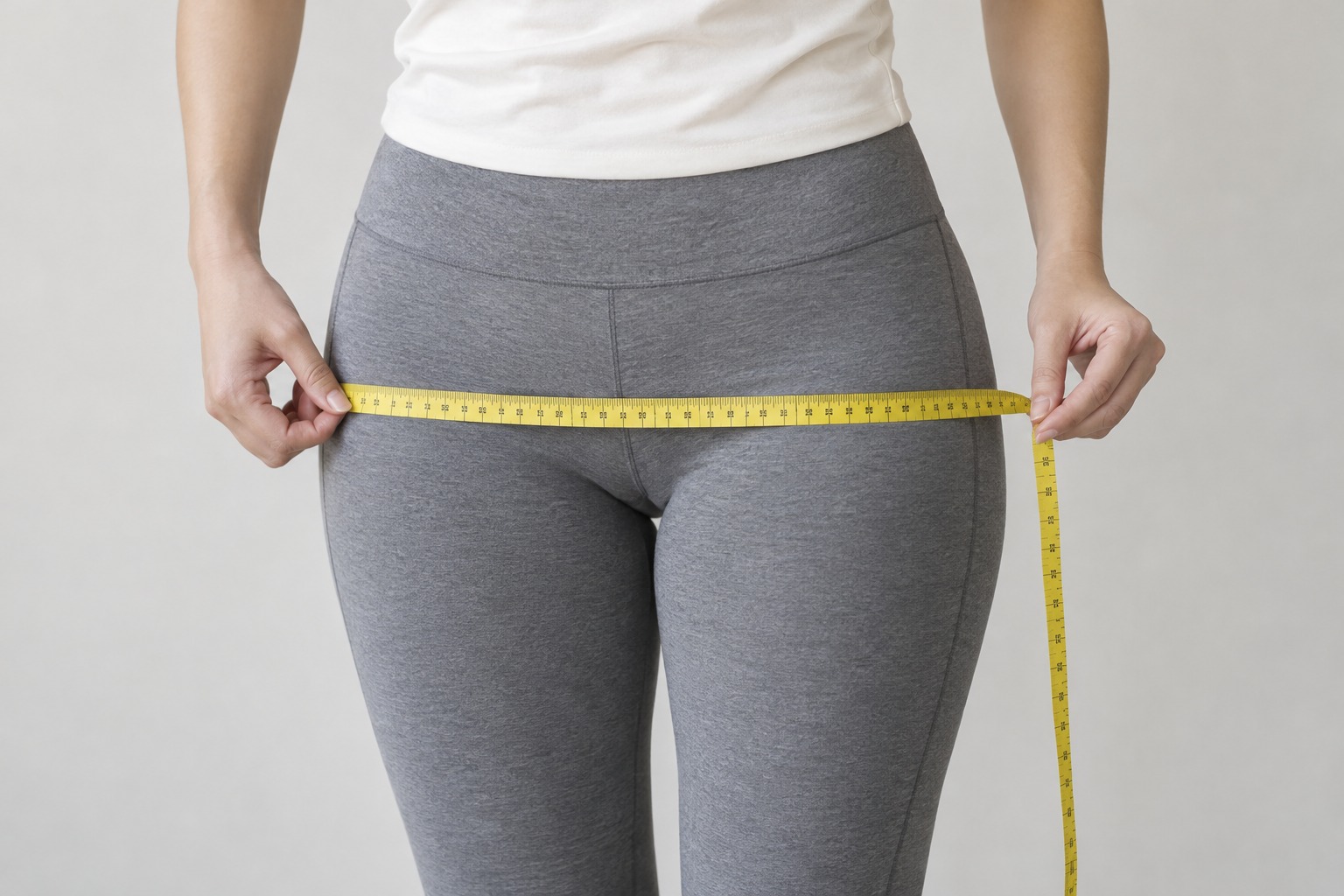
Hips
With feet together, measure around the fullest part of the hips and seat. This is often 7–9 inches below the natural waist; use the wearer’s actual fullest point and keep the tape level.
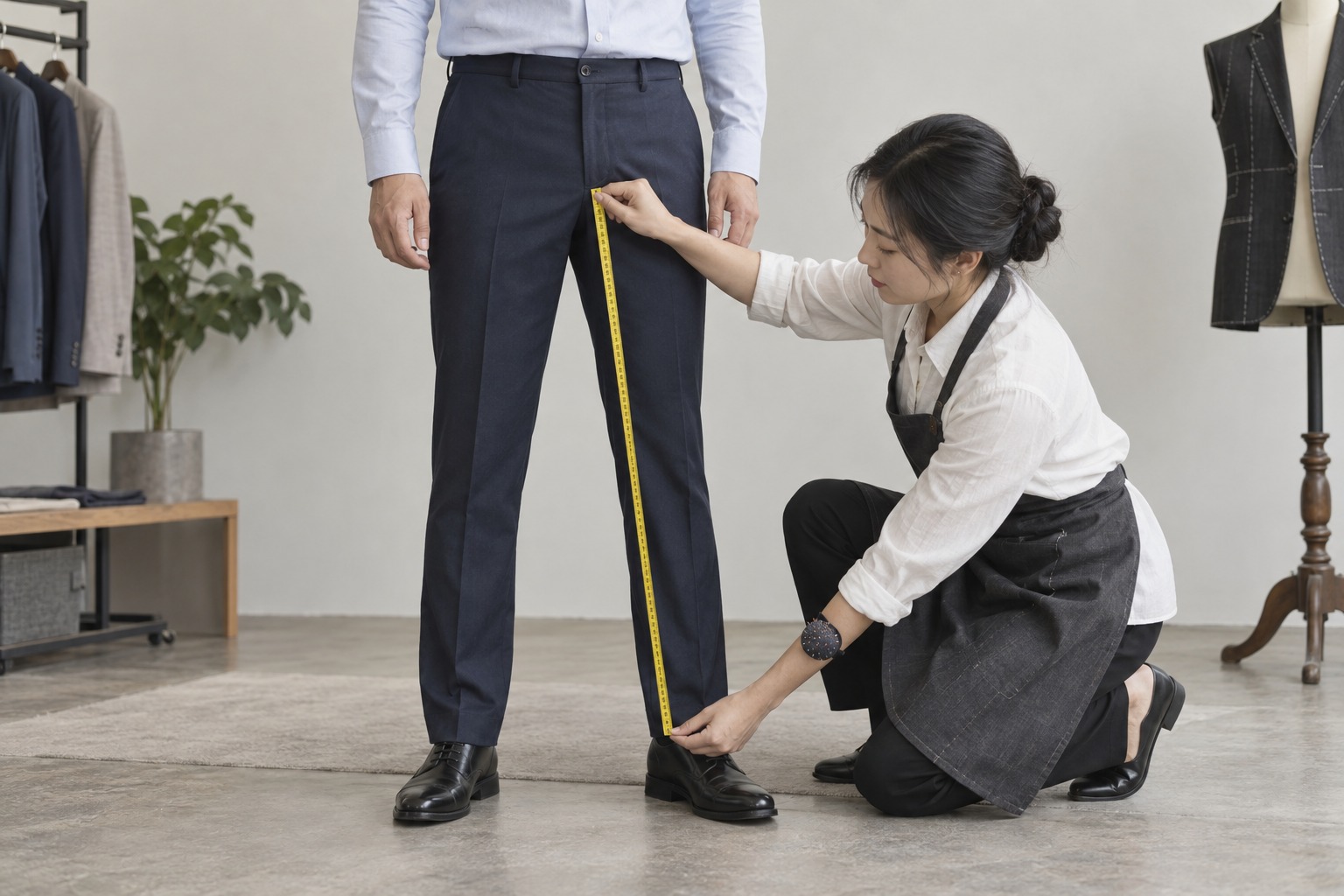
Inseam
Follow the inside of the leg from the crotch to the required hem position. The finished length can be developed for cropped, standard or tall proportions.
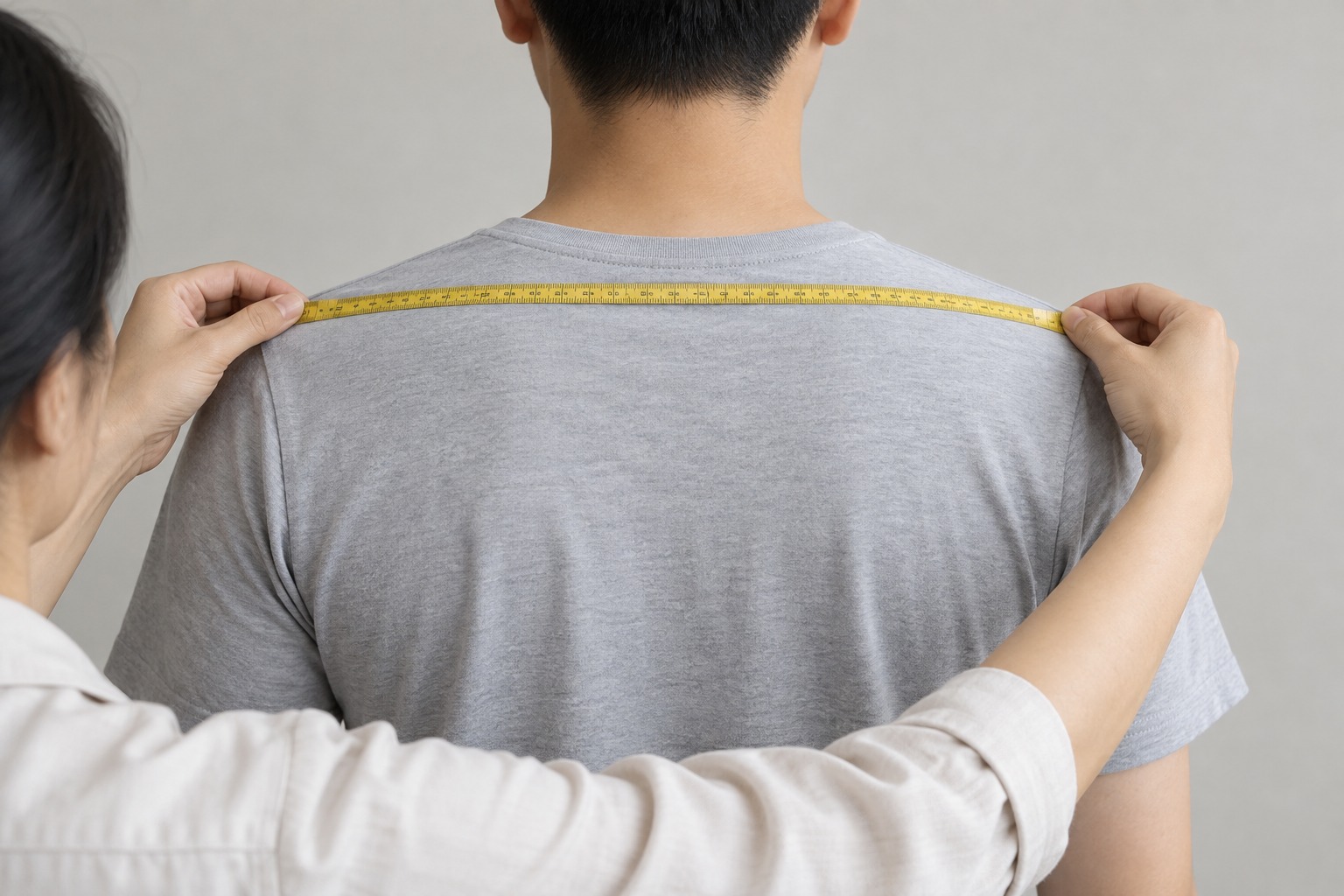
Shoulder Width
Measure across the upper back from one shoulder point to the other, where each shoulder meets the arm. This guides the width and hang of tops, jackets and outerwear.
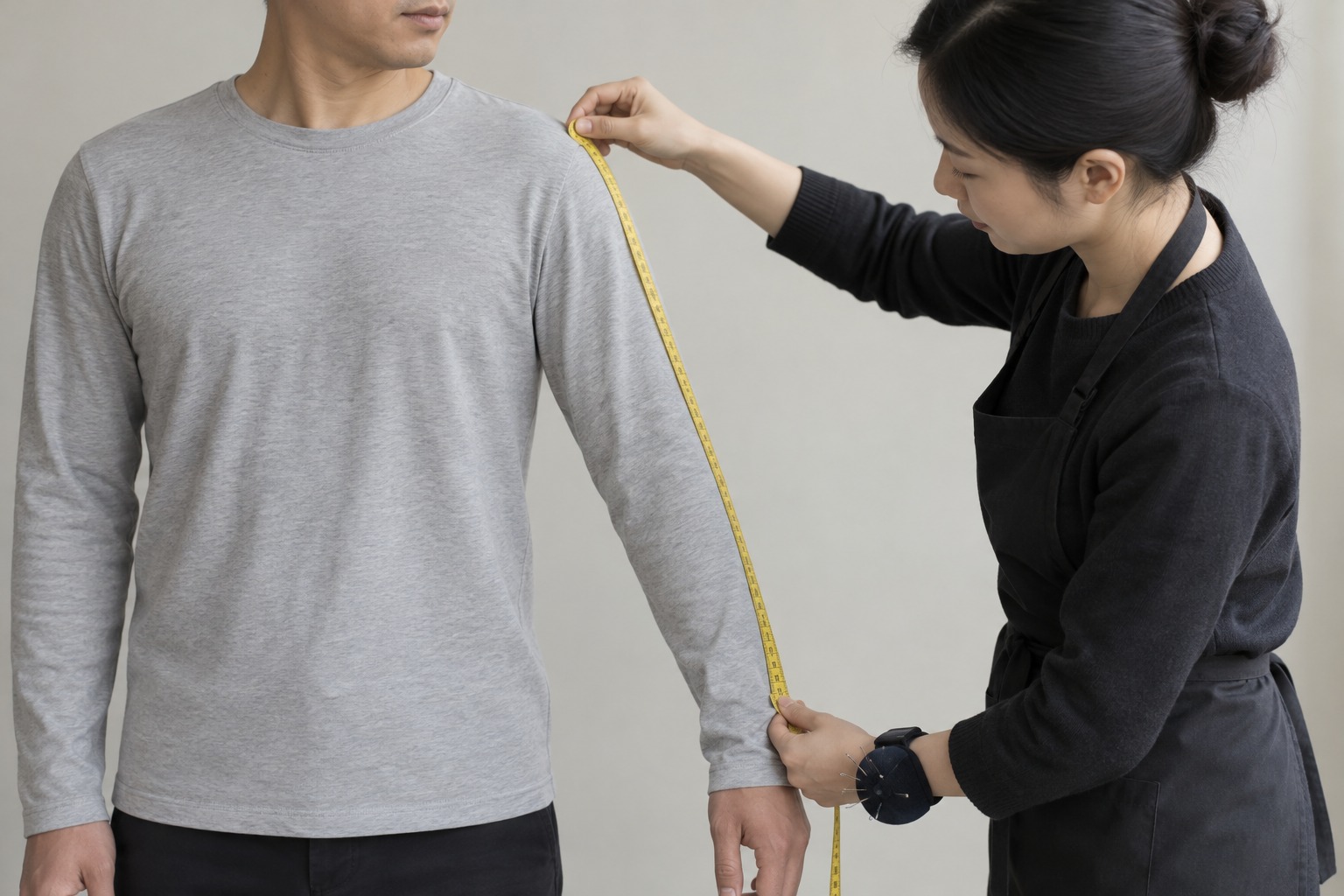
Sleeve Length
With the arm slightly bent, run the tape from the shoulder point along the outside of the arm to the wrist. Review sleeve grading alongside the fit of the whole garment.
STOP GUESSING. START GRADING.
Your Brand Deserves Better Fit
Your customers are unique to your brand. Develop a size chart that reflects their measurements, your fit direction and the collection you want to create.
WHY SPORTXIA
Why Leading Brands Trust Us With Their Fit
Pattern development, considered grading and consistent measurement checks work together to support your brand’s fit.
Grading Expertise
Review how each grade increment affects the whole garment. Shoulder, chest and length changes are developed together to preserve the balance of sportswear and activewear.
Size Inclusivity
Plan ranges from XS to 6XL, including custom plus-size requirements. Build the proportional changes into the grade rules from the beginning, rather than adding larger sizes at the end.
Pattern Precision
Develop and review patterns with clear digital specifications. Documented grade rules keep the approved measurements connected to pattern development and production checks.
Global Fit Standards
Develop sizing for US, UK, EU and Asian markets. Region-specific measurements help the same design fit the customers you serve in each destination.
COMMON QUESTIONS
Frequently Asked Apparel Size Questions
Prepare your size chart, grade rules and sample review with clear answers.
How does custom sizing differ from a standard size chart?
A standard chart provides a general starting point. A custom chart defines the fit for your own customer, fabric and garment type. We connect the base measurements, wearing ease and size-to-size increments so your collection has a recognizable fit.
How is sizing kept consistent across a collection?
Start with a brand fit reference, then document the measurements for each style. A fitted polo and a relaxed hoodie can share the same customer profile while using different wearing ease. Sample review and measurement checks keep both linked to the approved specifications.
Can Sportxia build a size chart for a new brand?
Yes. Provide your target market, customer profile and garment references. We develop the proposed base size and grade rules for review, then use physical samples to check the fit. You approve the measurement specification before production.
Why does size grading matter?
Grading determines how chest, waist, hip, shoulder and length change between sizes. Each point can need a different increment. Reviewing those changes together helps maintain the intended silhouette from the smallest size to the largest.
Are plus sizes and extended ranges available?
Yes. Size development can cover XS through 6XL and custom plus-size ranges. Larger sizes may require a different balance of width, length and shaping, so we review proportions and fit samples across the requested range.
What should I send for production sizing?
Send an Excel chart, PDF specification or complete tech pack with your size labels, units and measurement methods. A reference garment is also useful when starting from a preferred fit. Include the full size range and approve the fit sample before bulk cutting.
How long does fit sampling take?
Allow 7–15 days from confirmation of the design specifications and materials to completion of the fit sample.
READY FOR A MORE CONSISTENT FIT?
Let’s Build Your Brand’s Size Standard
Send your tech pack, size chart or reference garment, along with the size range and estimated quantities. Start your next collection with an agreed fit.