Is Using an Apparel Sourcing Agent Worth It?

Compare agent fees, technical oversight and the factory-direct route. Pay for work that reduces your production risk—and check who actually performs it.
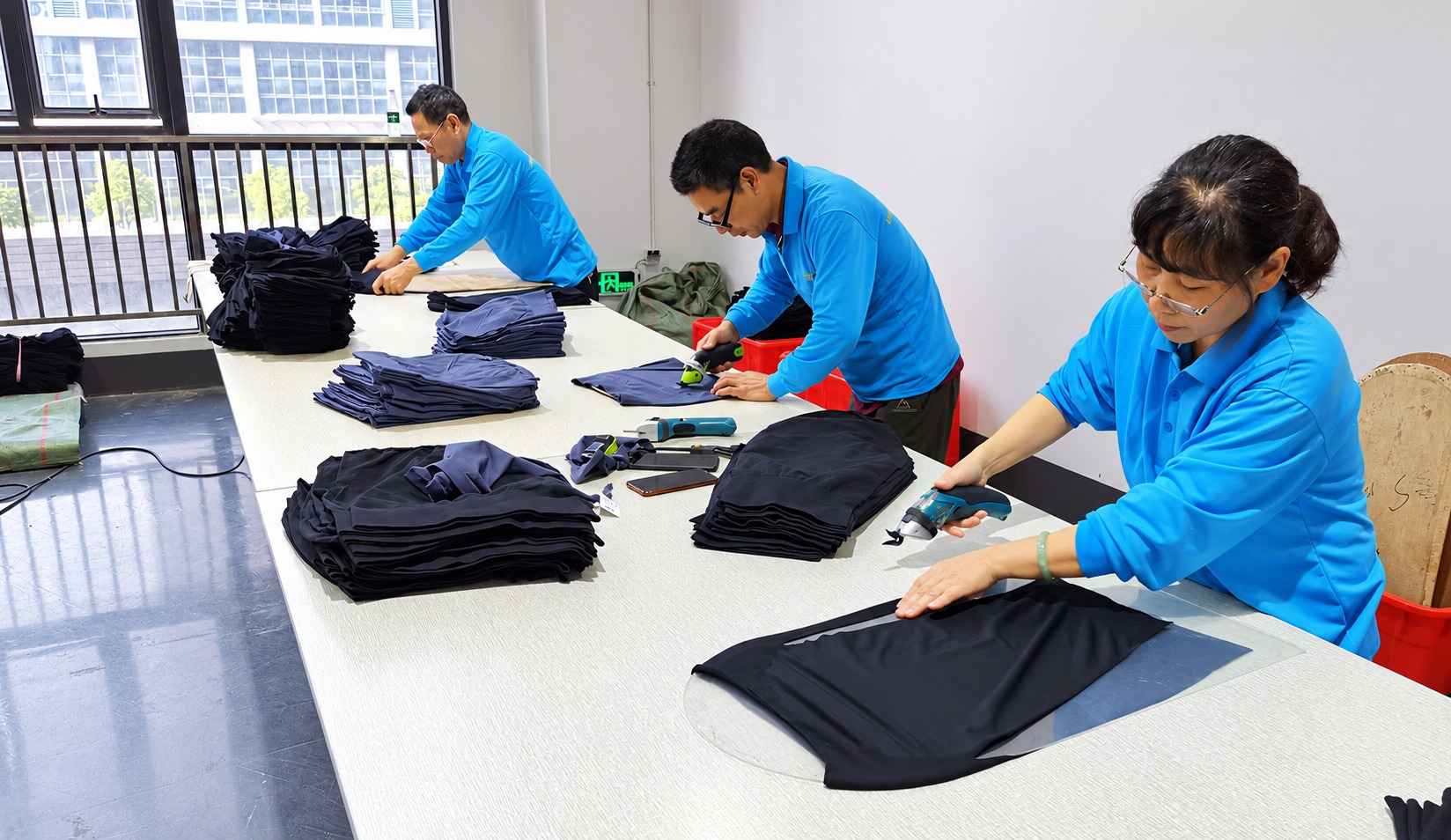
An apparel sourcing agent is worth the fee when they close a capability gap you cannot manage yourself. That could mean verifying a factory, controlling technical approvals or coordinating several suppliers. When a capable manufacturer already performs those tasks, an additional agent can duplicate the same work. Decide from the deliverables, rather than assuming every intermediary is essential or every factory can replace one.
Sportxia has encountered leggings whose seams failed after 20 washes because stitch tension and seam performance were not adequately controlled. An agent who catches that problem during production creates value. One who only forwards the factory’s messages does not. Also investigate undisclosed commissions: a 10–15% supplier-paid kickback is a risk scenario worth checking, not an automatic feature of every agent.
Key Takeaways
- Price the actual scope. Compare a disclosed 3–10% commission, project fee or retainer. Ask who pays the agent and whether any supplier rebates are retained.
- Specify the delivery term. FOB, CIF and DDP allocate different costs and risks. A DDP quotation can simplify delivery budgeting only when the destination, importer arrangements, taxes and exclusions are clearly agreed.
- Inspect while correction is still possible. Combine inline checks with a defined final sampling plan. An AQL 2.5 value alone does not define the entire inspection.
- Verify the evidence. Check facility identity, certificate scope, dates and corrective actions. WRAP certification and SMETA audit reporting serve different purposes.
- Ask where small orders will run. For orders below 300 units, verify capacity, approved subcontracting and material availability rather than accepting a low MOQ on its own.
- Trace the claimed material. Where a certification scheme requires a transaction certificate, connect it to the relevant shipment and invoice—not just a generic company PDF.
Start with the factory-floor warning signs and verification checklist if your immediate decision is whether to approve a supplier.
What Should an Apparel Sourcing Agent Do? Define the Scope
Finding a list of factories is only the beginning. A useful sourcing partner turns the brief into an executable production plan and follows it until delivery. Ask for named owners, documents and approval gates for each service; a broad promise to “handle everything” is difficult to assess or price.
- Manufacturing advice and vendor selection: match the construction to demonstrated equipment and operator skill. Seamless knitting on a Santoni-type system is a different production route from cut-and-sew garment manufacturing. A machine list does not replace a relevant sample.
- Production management: maintain the critical path, schedule the pre-production meeting, obtain approval decisions and report delays while there is still time to act.
- Overseas procurement and coordination: compare equivalent quotations, track fabric and trim readiness, and arrange the agreed logistics handover. A low garment price is unhelpful if the correct zippers arrive after cutting should have begun.
The Apparel Workflow: Where Activewear Can Fail

Performance clothing combines stretch, recovery, finishing chemistry and construction under load. A comfortable hand feel does not establish squat coverage, wash durability or seam strength. The agent’s contribution should be visible at the following three approval points.
Tech-Pack Development: The Technical Agreement
Make the controlled tech pack part of the agreed order specification. It is not automatically a legal contract merely because it exists; identify the approved version in the purchase order or manufacturing agreement. A reference photograph cannot specify the engineering behind a garment, and it should not become an instruction to copy another brand’s protected design.
- Technical flats and BOM: show front, back and seam details, then list fabric, thread, labels, elastic and every trim.
- Grading: define how measurements change through the size range. A good base-size fit does not establish coverage or compression in larger sizes.
- Material behaviour: specify composition, knit structure, GSM, stretch and recovery requirements. Fabric weight alone does not prove opacity.
- Performance acceptance: agree squat-opacity conditions, pilling, colourfastness to perspiration and relevant wash or seam tests before ordering.
Use our sportswear tech-pack guide to prepare the specification and assign technical development separately from supplier search.
Fabric and Trims: Prevent Substitution
Do not let a promising sample become permission to use an unspecified bulk fabric. The approved swatch, supplier reference, composition, finish and test requirements should travel together. Keep a signed master sample and a change log so any proposed substitution is reviewed before production.
- Lab dips: review colour under agreed lighting, such as D65 and TL84, rather than relying on a phone photograph.
- Strike-offs: approve print alignment, colour, coverage and penetration on the intended substrate. Match the printing method to the fabric.
- Bulk comparison: compare incoming material with the controlled reference and investigate differences before cutting. A generic sustainability certificate does not identify the actual roll used.
PP Sample and Pre-Production Meeting
Approve the pre-production sample in the intended bulk material and trims before releasing cutting. Record agreed tolerances, seam settings, decoration, needle control and packaging specifications. Retain the approved reference at both sides of the transaction. If the agent will attend the PP meeting, specify what report and open-issue list you will receive afterward.
Our sampling-stage timeline explains how prototype, fit, size-set and PP approvals serve different decisions.
How Apparel Sourcing Agents Charge: Follow the Incentives
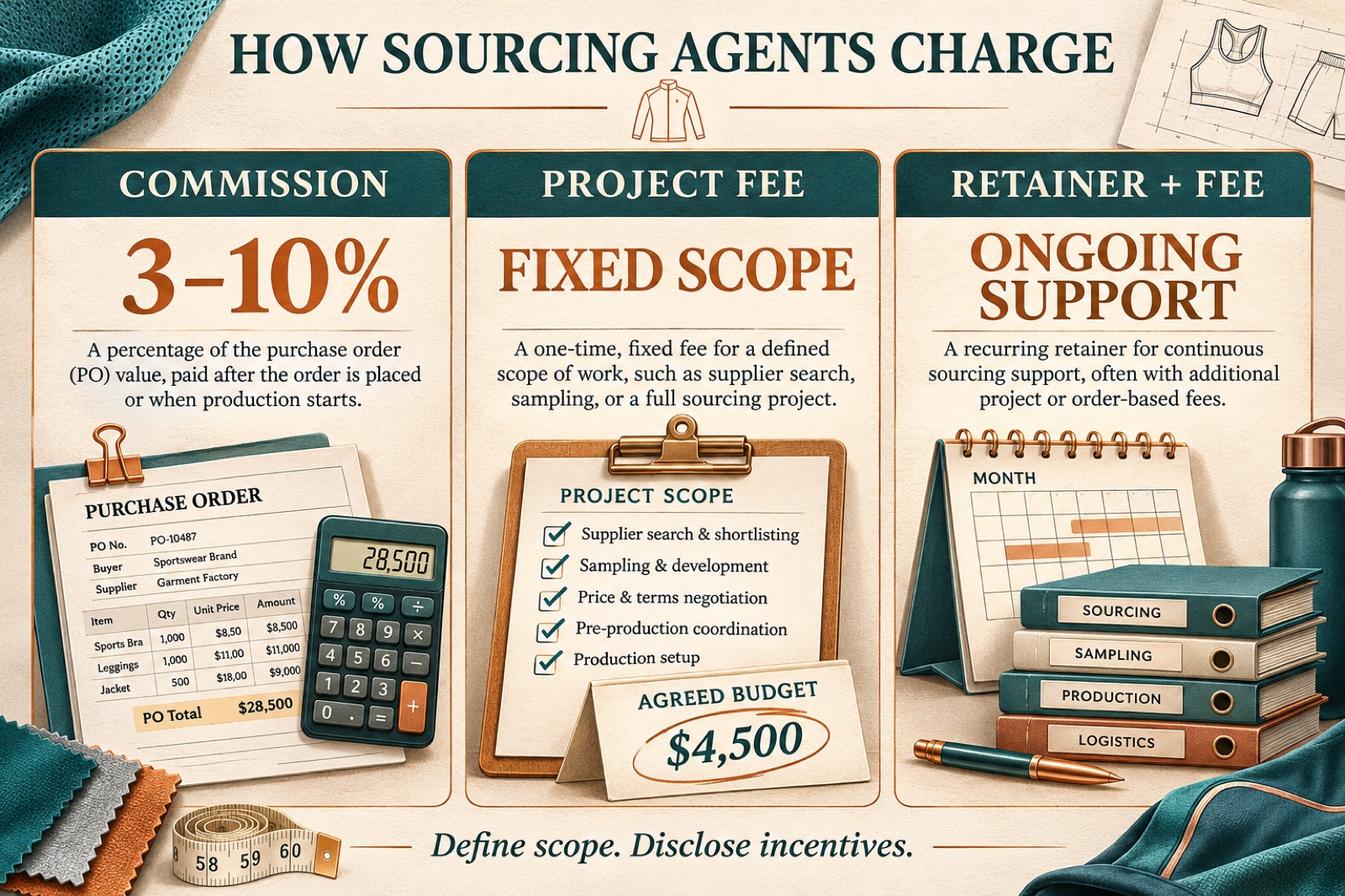
The figures and payment timing pictured in this illustration are examples, not a Sportxia fee schedule.
Three common fee structures need different controls. The cheapest headline fee is not necessarily the lowest total cost.
- Commission on order value: use 3–10% as a comparison range from the sourcing example, subject to the order and contracted work. Define whether the percentage applies to goods only, freight, repeat orders or other charges. A percentage can create an incentive to favour a larger order value; address that conflict through transparent comparisons and performance obligations.
- Fixed project fee: agree a price for a defined shortlist, quotation exercise or development project. It can make budgeting clearer, but only if supplier checks, revisions and handover deliverables are specified. A fixed fee alone does not guarantee independence.
- Retainer or hybrid: a monthly management fee, sometimes with a reduced commission, may suit several seasonal collections. Define availability, reporting frequency and what additional work costs.
A “free sourcing” offer deserves a direct question: Who pays you, and what do you receive from the supplier? A supplier-funded fee can be disclosed and agreed. Hidden 10–15% payments undermine price comparison; their existence cannot be established from a low quoted fee alone. Likewise, a commission below 3% is a reason to clarify scope and incentives, not proof of misconduct.
Calculate a simple break-even test: measurable savings + the value of work avoided + risk reduction you can reasonably support − the agent’s total fee. Do not count promised defect savings as cash already earned. Ask whether independent inspection can be purchased separately at a lower cost.
Incoterms in Practice: FOB versus CIF
Cost allocation and risk transfer are different questions. Use the ICC Incoterms guidance and write the named port or place plus the applicable edition into the order. A term alone does not set payment, ownership or all contractual remedies.
The Two Sea-Freight Terms to Understand
- FOB: the seller delivers the goods on board the vessel at the named shipment port; the buyer arranges the main carriage. It gives a buyer with logistics support control over carrier selection and transport costs.
- CIF: the seller pays carriage and the required insurance to the named destination port, but risk transfers when the goods are on board at origin. Paid freight is not the same as seller risk through arrival. Compare destination charges and insurance cover rather than assuming every CIF offer is poor value.
FOB and CIF are for sea or inland-waterway transport. For containers handed to a carrier at a terminal, or multimodal movements, discuss FCA, CPT or CIP as appropriate. The ICC selection checklist distinguishes these handover points.
The Hidden 5–10%: Check the Missing Lines
An omitted-charge allowance of 5–10%, or even an overrun above 10%, is a budgeting scenario—not an automatic surcharge created by an Incoterm. Make each relevant cost visible:
- Destination handling: identify local port and terminal charges, including DTHC where applicable.
- Customs clearance: confirm brokerage, importer responsibilities and required documents.
- Chargeable volume: compare carton dimensions as well as weight. Compression or vacuum packing may reduce volume, but approve its effect on garment presentation and materials before use.
- Classification and duty: establish the correct HS classification, origin and destination rules. Consolidating freight can save handling; it does not justify choosing an incorrect tariff code.
Landed Cost Example: Run the Full Calculation
A $10.00 factory unit price is not a delivered unit cost. Keep the following example as a worked model, then replace each assumption with your actual quotation and customs treatment.
Illustrative per-garment budget
- Goods, FOB: $10.00
- Agent commission, 10% of the goods price: $1.00
- Sea freight: $1.50
- Illustrative duty, 16% × ($10.00 + $1.50): $1.84
- Inland trucking: $0.50
- QC and contingency allowance: $0.50
- Total: $15.34 per garment
The 16% rate and goods-plus-freight duty base are assumptions for this calculation. The actual rate and customs value depend on the jurisdiction, classification, origin and treatment of charges such as commissions. Ask the broker to confirm before ordering.
Removing only the $1.00 commission gives $14.34 in the same simplified model—about 6.5% less than $15.34. It is a valid saving only if the remaining partner provides equivalent work without replacement charges or extra losses. For 1,000 garments, the agent therefore needs to justify a $1,000 fee through defined services and credible value, rather than a general promise to “get a better price.”
| Component | FOB: buyer arranges main carriage | DDP: seller delivers to named place |
|---|---|---|
| Risk handover | On board the vessel at the named origin port | At destination, import-cleared and ready for unloading |
| Coordination | Buyer manages freight, import clearance and onward movement | Seller arranges carriage and import formalities; validate importer feasibility |
| Price clarity | Several quotations and variable charges to consolidate | One agreed delivery scope; check taxes, unloading and exclusions |
DDP can simplify a small brand’s budget when a lawful import arrangement and complete quotation are in place. Confirm the named delivery place, unloading, VAT/tax treatment, importer of record and exclusions. It does not guarantee that customs will never inspect or delay a shipment, and it is not suitable where the seller cannot perform the required import formalities.
Quality Control That Matters in Activewear
Final appearance checks cannot establish how a seam behaves during a squat or after repeated washing. Ask the agent to connect the approved product specification with incoming-material controls, inline checks and final release. The report should distinguish visual inspection from performance tests.
- Before booking: verify the production site, relevant machinery, skill, subcontracting arrangements and social-compliance evidence. Use our manufacturer-verification checklist for the supporting records.
- During production: an early checkpoint around 10–20% completion can expose stitch-density, thread-tension or assembly problems while correction is possible. Confirm that enough representative work is available; the exact timing should match the risk and production plan.
- Before shipment: check colour variation, measurement, twisting and agreed workmanship criteria. Shrinkage and wash durability need the relevant test procedure and conditioning—not a visual judgment of a packed garment.
For an AQL 2.5 major-defect plan, agree lot size, inspection level, defect classes, sample size and acceptance/rejection criteria. The ISO 2859-1 sampling framework does not mean every accepted shipment is guaranteed to contain fewer than 2.5% defects.
Keep broken-needle accounting, retrieval and detector checks in the safety plan. Detector suitability and challenge-piece sensitivity depend on the product and agreed protocol; sampling inspection does not certify needle-detector performance. Specify how unresolved critical safety findings stop release.
Compliance and Certification Checklist
A document is a starting point for verification. Match the legal entity, actual production site, scope, status and dates with the order. If a public search is inconclusive, contact the issuing body rather than treating a missing result as definitive proof of fraud.
- WRAP: check the named facility and certification status through the official WRAP organisation. Social-compliance certification does not establish every product’s technical performance.
- GOTS: verify the certified entity and product/process scope through Global Standards’ verification guidance. For a GOTS-certified supply, request the transaction evidence required for the actual shipment. Organic fibre content by itself does not establish finished-garment certification.
- Sedex and SMETA: request access to the relevant site audit, findings and corrective-action report. Sedex states that membership and SMETA are not certifications and do not provide a simple pass/fail endorsement.
Verify Scope, Not Just the Logo
Check that the address and activities include the sewing floor used for your order. Match contracting and payment entities, and obtain a documented explanation for any legitimate difference. Trace the approved subcontractors. A certificate from another factory cannot be borrowed to cover an unlisted facility, and an audit is not proof that every production step remains unchanged afterward.
The Sportxia Approach: Factory Access with Production Support
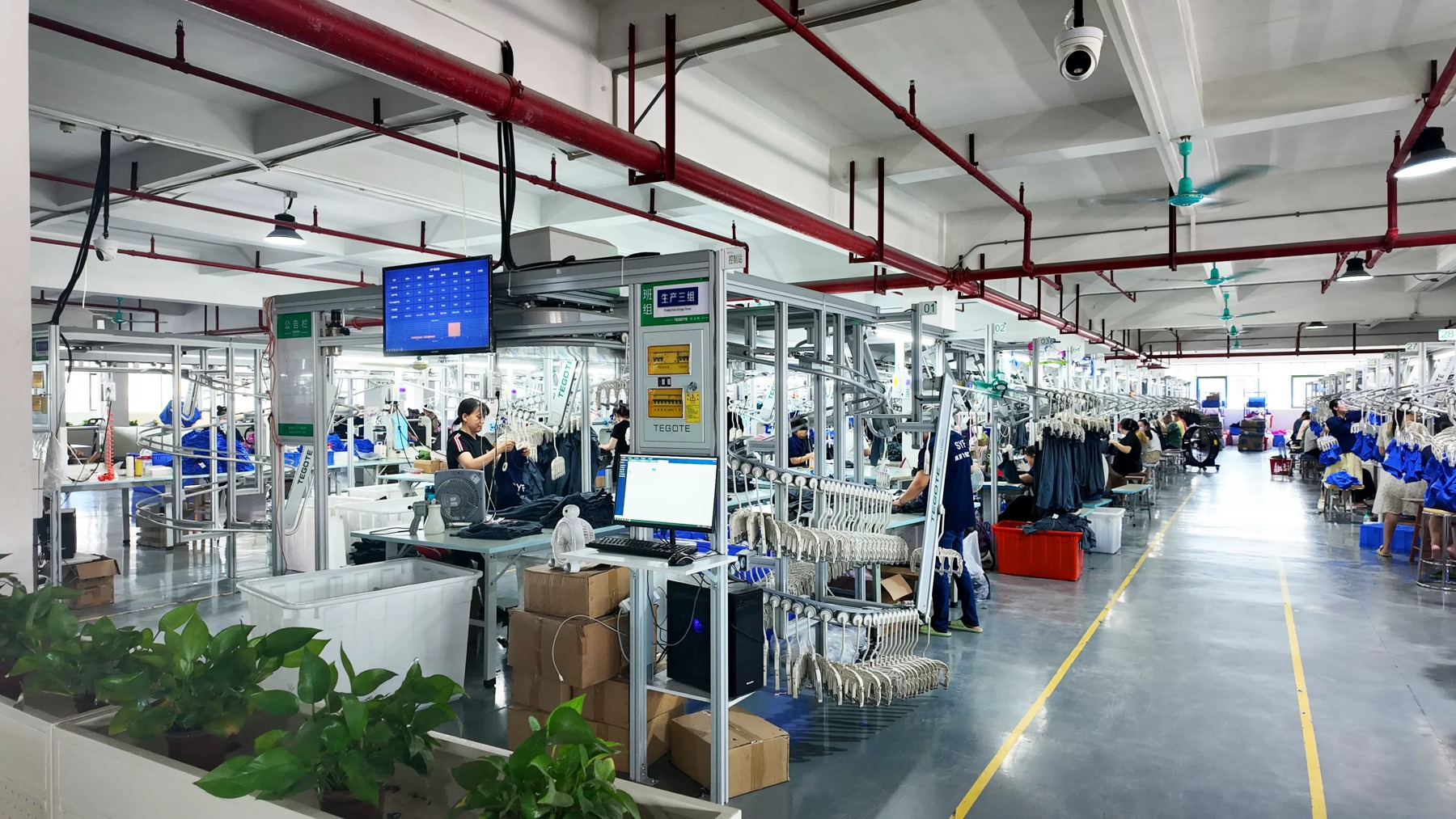
Sportxia combines its confirmed 16,000 m² Hangzhou manufacturing operation with development, production coordination and quality follow-up. Review the actual people, site and project responsibilities through our company and manufacturing background, then compare the service scope with an agent’s proposal.
- Small-order options: standard custom production starts at 100 pieces; selected printed private-label programmes can start at 50 pieces. Fabric, colour, style and decoration requirements determine eligibility. These are not a promise of custom-developed fabric at the same minimum.
- Direct technical follow-up: connect sample comments, approved references and inline findings with the team managing production. Independent buyer-appointed inspection can still be useful where your risk or retail requirements justify it.
- Defined timing: confirmed planning ranges are 7–15 days for sampling and 15–30 days for bulk production, subject to material readiness, specification, quantity and approvals. Removing an intermediary does not remove those dependencies.
A factory-direct relationship can remove duplicated commission and handoffs. It does not make an external agent automatically unnecessary: multi-factory coordination, buyer-side representation and specialist compliance support may still be separate services. Agree what is included in the quotation.
For regional trade-offs, compare China versus Europe sportswear manufacturing. For the search and screening process, follow how to find sportswear manufacturers. Send Sportxia your brief to compare a factory-direct offer on the same scope.
Five Situations Where the Standard Advice Needs Adjusting
Across more than a decade of production work, the same low headline price has often concealed very different project risks. Match the partner model to what is actually missing: technical development, material access, coordination or evidence.
1. The Audience-First Startup with No Tech Pack
Situation: you have an audience and a concept, but no measurements, grading or material specification. Paying someone to find a factory will not resolve an undefined product.
In Sportxia’s experience with this kind of incomplete brief, around 90% of guessed first samples have had fit problems. That is a reported experience, not a universal defect rate. In one anonymous project, the buyer spent six months searching and sampling; once the professional technical package was ready, an approved sample followed in 14 days. It illustrates the value of a complete brief, not a guaranteed lead time.
Better route: hire a technical developer or define a full-package development service first. Pay for an agreed tech pack and BOM rather than a commission on goods that are still undefined. Our technical versus fashion designer comparison helps assign the right role.
2. Low MOQ versus Fully Custom Fabric
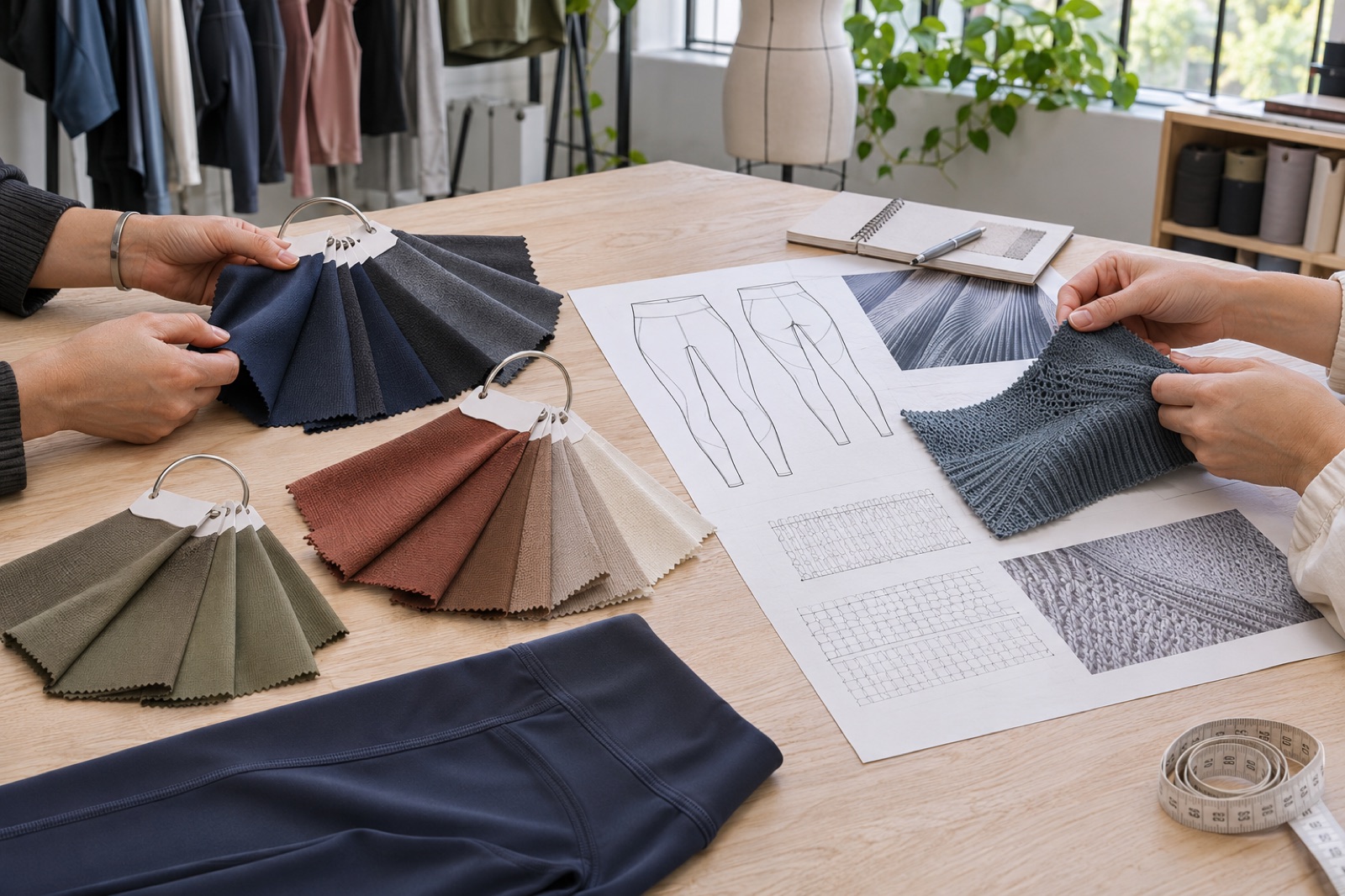
Situation: you want fewer than 300 pieces per style, yet require a newly developed knit such as a specific Nylon 6.6 construction. The sewing minimum and the textile mill’s minimum are separate.
A mill may quote 1,000+ yards for the custom material. That is a project example, not a fixed rule for every mill. The agent cannot negotiate away setup economics simply by promising a low garment MOQ.
- Use available fabric: review stock material or available greige, then check what dyeing or finishing minimum still applies. Greige is unfinished fabric, not automatically production-ready.
- Differentiate the garment: invest in fit, panel design and decoration where the stock substrate supports the result.
- Share an approved base: consider splitting a 1,000-yard commitment across four styles using the same compatible material and colour. Calculate consumption, wastage and allocation; this is not automatically 250 yards per style.
Discuss the actual programme through our private-label support for emerging brands, and compare sample expenditure separately in the clothing sample cost guide.
3. The Retailer Managing 50+ SKUs
Situation: a growing brand already has a supply-chain manager. The next bottleneck may be continuity rather than finding the lowest unit price. In an anonymous experience applicable to Sportxia, a low-cost factory stopped for one week during a regional power-related inspection, disrupting the season’s plan.
Better route: assess backup capacity, approved alternate material sources and recovery timing. A 70/30 allocation between two qualified facilities is one possible resilience plan, not a universal split to impose on every programme. Both sites need validation, capacity and permission to handle the product. Require weekly critical-path updates showing actual fabric and trim locations, approval dates and the recovery owner.
4. The Sustainability-Led Brand
Situation: your marketing promises “100% recycled” material or ethical production. Those are different claims and need different evidence.
Sportxia has encountered anonymous cases involving another factory’s organic certificate, and a purchase of just 100 yards of organic cotton for an audit while conventional material was used for bulk work. Do not let a valid company document stand in for order-level traceability.
Better route: identify the applicable scheme, check the scope certificate and obtain transaction certificates where required, connecting seller, buyer, product, quantity, shipment and invoice. A scope certificate establishes certified activities and products; it is more than proof that a factory exists. A missing document should trigger investigation and prevent an unsupported certification claim, rather than automatically proving substitution.
For EU sales, assess relevant REACH restrictions against the actual materials and uses, including applicable azo-colourant restrictions. Request appropriately scoped evidence and testing; no single generic “REACH report” proves compliance with every restriction. Ethical-labour evidence needs separate social-compliance review.
5. The Factory Walkthrough: Five Warning Signs
Visit the site yourself or commission a competent independent visit. A clean-looking floor is useful context, but must be checked against records, product risk and routine practice.
- Insufficient lighting. Dark inspection stations make skipped stitches and stains harder to see, especially on black fabric. Ask for the task-area lux reading and applicable requirement. 1,000+ lux can be a detailed-inspection specification to agree, not a universal legal minimum for every sewing station.
- Missing broken-needle records. Ask, for example, for the recent needle-replacement and fragment-reconciliation record on Line 4. Identify the last unresolved event and the containment action; a missing fragment needs a defined hold and investigation.
- Detectors without routine challenge checks. Ask staff to demonstrate the agreed test pieces and record the result. A 1.0 mm ferrous challenge card is an example from an inspection protocol, not a suitable sensitivity for every garment, aperture or metal type. Distinguish routine verification from formal calibration.
- Unidentified fabric and mixed cut panels. Check roll IDs, shade bands, ply numbering and bundle segregation. Mixing panels from Roll A and Roll B can put visibly different black shades into the same garment.
- Unlabelled chemical containers. Request identification, the current safety data sheet (SDS, formerly commonly called MSDS), storage controls and training records. Assess the local rules and chemical hazards rather than assuming US OSHA or EU law directly governs every overseas facility.
Record the evidence, corrective action, owner and closure date. Use the ten questions to ask a clothing factory to structure the discussion before the visit.
Practical Decision Matrix
| Your situation | Partner model to assess | What must be resolved |
|---|---|---|
| Idea stage / fewer than 100 units | Agile development or suitable factory-direct programme | Technical definition and material availability; Sportxia 50-piece option is selected printed private label |
| Scaling / 1,000+ units | Qualified agent or internal supply-chain team | Multi-site coordination, logistics, reporting and measurable value |
| Custom technical fabric | Textile mill + qualified cut-and-make partner | Material development, minimum commitment, tests and manufacturing compatibility |
Our recommendation: choose the smallest complete set of services that controls the actual risks. A small brand can benefit from a manufacturing partner with development support; a larger operation may justify an agent across several sites. Check independent oversight separately from coordination. Discuss your quantity, brief and delivery needs before committing to either model.
People Also Ask About Apparel Sourcing Agents
1. What is the difference between a sourcing agent and a trading company?
An agent normally provides a service for a disclosed fee; a trading company buys and resells goods at its own selling price. A 3–10% agent fee and a 15–30% trading markup are comparison examples, not rules covering every business. Ask who is the seller of record, who contracts with the factory, what margin or fee is disclosed and whether you can verify the production site.
2. What commission should I expect?
Use 3–10% as an initial comparison range, then evaluate order value, technical complexity, site visits, development and reporting. Define the fee base and repeat-order treatment. A quote below 3% may reflect scale or limited scope; it is not by itself evidence of a kickback. Request disclosure of supplier-paid compensation.
3. Can an agent secure a low private-label MOQ?
Sometimes. At small volumes the fee may not cover the work, and some agents may set a 500-unit threshold. That is a business policy to ask about, not a universal market minimum. Sportxia’s confirmed options are 100 pieces for standard custom production and selected 50-piece printed private-label programmes. Custom fabric and dyeing may require a higher material commitment.
4. What should I receive after a factory audit?
Request a dated report identifying the site, scope, production capability, evidence and findings, plus a corrective and preventive action plan with owners, due dates and closure evidence. Relevant machine photographs and safely handled, appropriately redacted employment records may support the review. Avoid circulating workers’ personal information unnecessarily. A grade alone is insufficient.
5. Do I still need an agent with a factory-direct partner?
Not necessarily. If technical coordination, QC and logistics support are already covered, another agent may duplicate the work and a 10% fee example may be avoidable. Retain an agent or independent inspector when they provide distinct buyer-side oversight, specialist knowledge or multi-factory coordination. Compare the full service scope before deciding.
For the regional decision, read China versus Europe manufacturing. For a supplier-search roadmap, use our sportswear manufacturer sourcing guide.
Ready to Compare a Factory-Direct Quote?
Share the approved brief, fabric preference, quantities, destination and launch date. Ask Sportxia to identify development work, production controls and delivery responsibilities in writing. Our standard 100-piece MOQ and selected 50-piece printed private-label options should be checked against your specific design and materials.
Get a factory-direct sportswear quotation with a defined service scope.
Reviewed November 17, 2026. Cost calculations are illustrative; project terms follow the agreed quotation. Send a correction.
Related Posts


READY TO START YOUR BRAND?
Turn Your Brief into a Clear Production Plan
Connect material choices, sample approvals and your first production run with one defined scope.
Discuss Your Sportswear Project
Leave a Reply