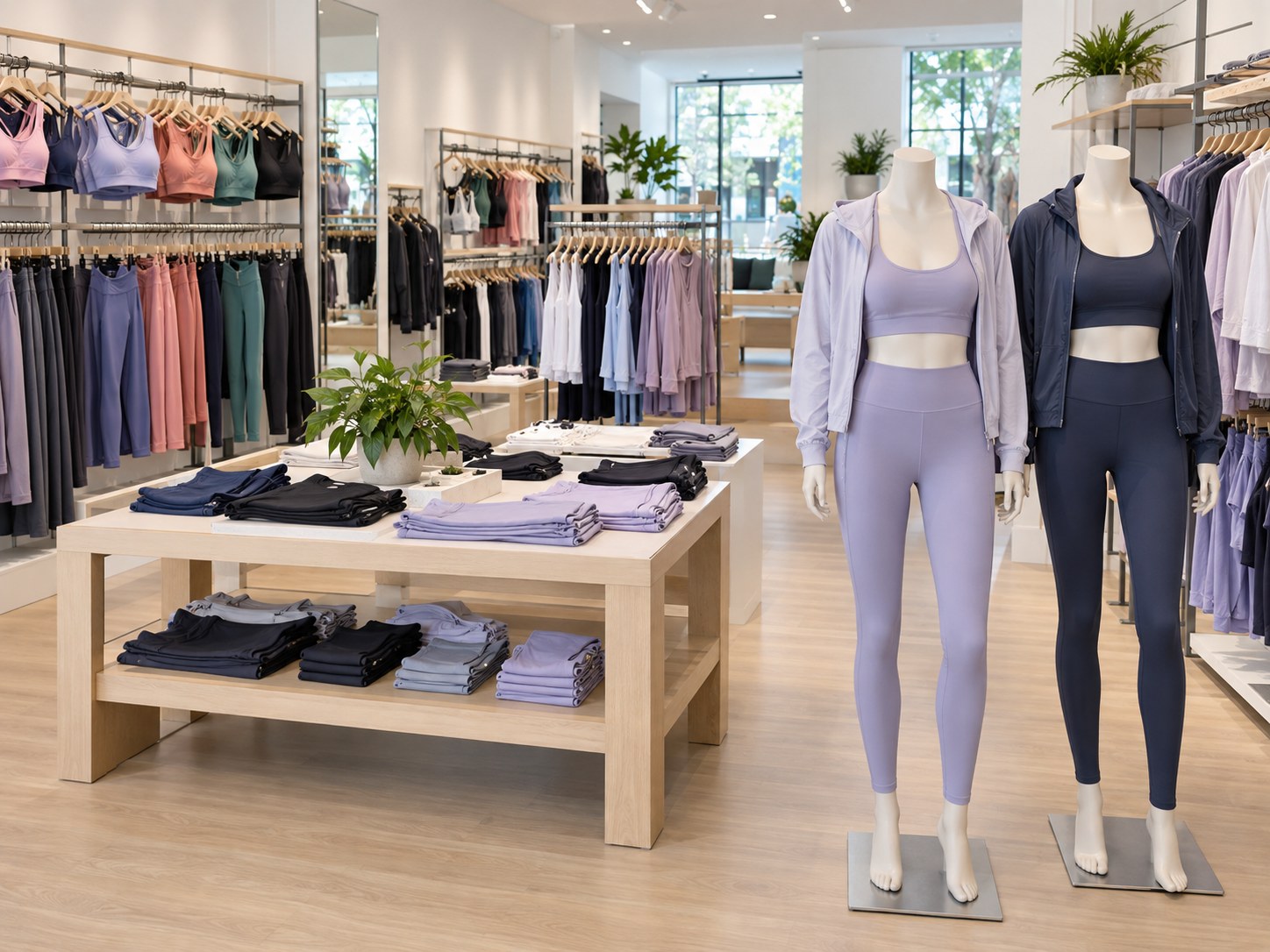
CASE STUDY · CUSTOM ACTIVEWEAR DEVELOPMENT
Custom Sportswear Design Case Study:
45% Sales Growth
 LucasUpdated November 2, 2026
Sales growth across
two quarters
Approximate relative
reduction in return rate
Reported physical-sample
turnaround
Relative conversion lift
from 1.1% to 1.4%
Client Profile
| Company | Anonymous independent activewear label |
|---|---|
| Industry | Direct-to-consumer leggings, performance tops and matching sets |
| Company size | 3–8 employees |
| Location | United States |
| Annual revenue | Approximately US$400,000 before the engagement |
| Sales channel | Shopify direct-to-consumer storefront |
| Previous supply model | Standard print-on-demand garments with limited control over fabric, fit and construction |
The client and technical personnel are anonymous. The figures below relate to this brand’s reporting periods and product range.
The Challenge
This custom sportswear design case study began after 14 months of print-on-demand sourcing. The brand had an audience for its activewear, but repeat orders did not reliably match the colours, fit or construction shown on its product pages.
The client was spending US$3,200 a month on Facebook advertising while its store conversion rate remained at 1.1%. Three product problems were making that traffic harder to convert and retain:
- Colour approval did not carry through to production. Four out of five earlier colour submissions missed the target Pantone reference. Each failed round added 10–14 days and approximately US$400–600 in sample charges. The brand went through six sampling rounds, and the eventual production still showed visible drift from the accepted sample.
- Standard grading did not fit the customer base. An earlier brief requested a 300 GSM nylon-spandex material, but a fabric requirement alone did not establish a working size curve. The supplier’s standard grading left customers reporting leggings one to two sizes too small. Returns reached 12%, with US$8,400 in refunds over six months.
- Seams and opacity undermined the product experience. Overlocked seams in high-movement areas caused rubbing during workouts. Complaints appeared after three to four washes, alongside reports of insufficient coverage. The product rating fell to 3.8 stars.
The six-month impact extended beyond refunds: US$8,400 in return-related refunds, US$2,800 in unsuccessful sampling and an estimated US$24,000 in revenue lost to weak conversion. The last figure was an opportunity estimate, rather than a booked expense.
The client had already changed POD providers twice. Sportxia’s brief therefore covered the garment specification, fit approval and production controls together, rather than reproducing the same product on another standard blank.
The Solution
Sportxia coordinated four development phases, from the technical brief through the updated product pages. The time windows below describe the working plan; sampling approval reached its gate earlier than scheduled.
Phase 1: Technical Specification and Pattern Rebuild · Days 1–5
The development team converted the existing design sketches into a manufacturing tech pack. Each section established a reference that the sample room, production team and client could check:
- 75% nylon / 25% spandex. The composition was documented together with the required stretch and recovery behaviour.
- 280 GSM approved development fabric. The new specification replaced the client’s 220 GSM standard garments to improve coverage. This actual starting product weight was distinct from the earlier, unfulfilled 300 GSM requirement in the brief.
- Pantone codes with physical lab-dip approval. Colour was accepted against a physical reference before bulk release, giving later production a common target.
- XS–3XL size development. The measurement chart and grading addressed the US customer base. A 5% stretch-tolerance threshold was recorded in the project specification.
- Flatlock seam construction. Side seams and gussets were specified for the stretch garment’s movement and comfort requirements.
The approved tech pack brought the drawing, textile, colour, size curve and seam detail into one controlled set of production references. Explore Sportxia’s cut-and-sew development.
Phase 2: Parallel Fit Review and Physical Sampling · Planned Days 6–18
Digital prototyping ran alongside physical sampling so the team could review the pattern before each garment reached the client. The earlier process had taken six rounds over roughly three months; this development reached fit and colour approval in two rounds.
The first physical sample was available on project day 10. The waistband compression was accepted, but the size-L leg opening was 0.6 inches too tight. The pattern maker corrected the digital grading and prepared a revised sample within six hours.
The second sample passed the fit, colour and recovery review. Bulk approval followed on day 14, four days ahead of the planned day-18 approval gate.
The results summary records a 12-day physical-sample turnaround, compared with the earlier 28–42 days. That turnaround measure is reported separately from the dated project milestones above; the overall approval gate and the sample-production metric describe different parts of the process.
Phase 3: Transfer the Approved Garment Into Production · Days 19–30
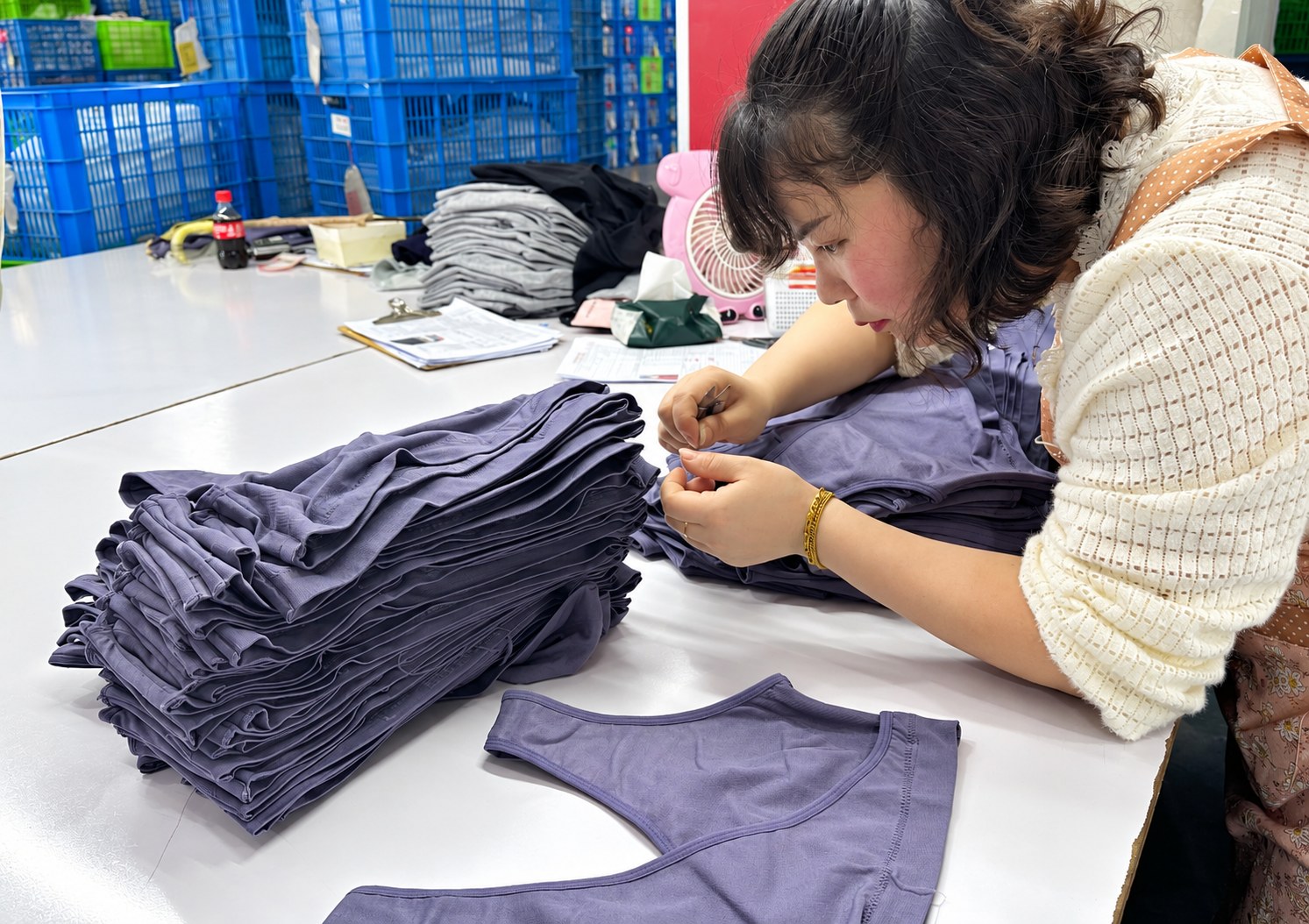
The approved specification moved to the small-batch production lines. Production followed the accepted sample and the corrected pattern, with particular attention to the issues identified in the previous garments:
- Flatlock at structural seams. The construction replaced the earlier overlocked treatment in the specified movement areas.
- 195°C with a 45-second press dwell. These were the project’s recorded print-process settings, checked with the applicable print material and dye lot before release.
- AQL 2.5 at three checkpoints. The inspection plan covered fabric cutting, completed sewing and the stage before packing.
- OEKO-TEX® STANDARD 100 material documentation. Applicable certificate details and scope were reviewed against the material supplied.
Print compatibility was reviewed with the textile and decoration used on the relevant style. The recorded heat setting is a project parameter, not a general sublimation instruction for every nylon-spandex fabric. The OEKO-TEX material standard likewise addresses the certified scope; it does not establish a garment’s fit or opacity.
Phase 4: Bring the Approved Specification to the Storefront · Days 31–40
The client updated the Shopify product pages using information from the approved garment. Product descriptions identified the 280 GSM nylon-spandex fabric and flatlock construction, while measurement guides explained the revised size range.
Photographs, colour descriptions and sizing information were checked against the accepted collection. Material certification information was presented within its applicable scope. Instead of asking shoppers to rely on a broad quality claim, the pages gave them details they could use when choosing a style and size.
The reported conversion rate moved from 1.1% to 1.4%, presented as approximately 28% relative improvement using the rounded rates supplied by the client. The table below uses that store-conversion measure consistently.
The Results
Swipe or use the buttons to view every column.
| Measure | Before | After | Change |
|---|---|---|---|
| Six-month revenue | Approximately US$180,000 | Approximately US$261,000 | +45% |
| Store conversion rate | 1.1% | 1.4% | Approximately +28% relative |
| Product return rate | 12% | 8.2% | Approximately −32% relative |
| Physical-sample turnaround | 28–42 days | 12 days | Approximately 57%–71% shorter |
| Product rating | 3.8 stars | 4.6 stars | +0.8 stars |
| Colour approval | One accepted submission in five attempts | First submission accepted against the agreed reference | Approved physical colour reference |
Measurement: the revenue comparison covers separate six-month before-and-after reporting periods. Revenue and store conversion were checked against the client’s Shopify exports; returns were reconciled with its returns records. Dispatch documents and production logs supported the reported turnaround. Conversion and return changes are relative percentages, not percentage-point changes. The rounded 1.1% and 1.4% rates imply about 27.3% improvement; the campaign summary reports this as approximately 28%.
Facebook advertising return also improved from 1.8× to 2.4× over the reporting period. The client associated the improvement with more specific product pages, better reviews and fewer return problems. These results describe the combined development and merchandising changes; they do not isolate a guaranteed sales effect from any single fabric or seam specification.
Key Takeaways
The development decisions in this custom sportswear design case study connect the garment’s technical specification with its customer experience and commercial reporting:
- An agreed technical pack gives repeat production a measurable reference. In this project, 75/25 composition, 280 GSM fabric, physical Pantone approval, the XS–3XL measurement chart and flatlock seam details replaced a brief that left important decisions open. Those references addressed the colour and fit problems behind the earlier six sample rounds.
- Fit corrections belong before the bulk release. The size-L leg opening was corrected by 0.6 inches and a revised sample was prepared within six hours. Two rounds reached approval on day 14, four days ahead of the planned gate. Keeping the physical and digital reviews together reduced repeated sampling without skipping the garment review.
- Approved production details can improve the buying information. The store explained the actual 280 GSM fabric, flatlock construction and revised measurements. The reported conversion rate rose from 1.1% to 1.4%. The useful information came from the accepted product, so customers could compare it with their fit and coverage needs.
- Correct product problems before increasing acquisition spend. At the starting point, US$3,200 a month in advertising led to a store with 12% returns and a 3.8-star product rating. After development and storefront updates, returns were 8.2%, the rating 4.6 stars and ROAS 2.4× versus 1.8×. Product quality and purchase information were reviewed alongside the advertising results.
Technical specifications, sample revisions and redacted reporting records may be reviewed subject to client permission and a confidentiality agreement. Contact Sportxia to discuss your custom sportswear design.
How Sportxia reviews manufacturing information and corrections: Fact-Checking Process. To report an error, email [email protected] with the article link and supporting information.
MORE CASE STUDIES
See More Case Studies
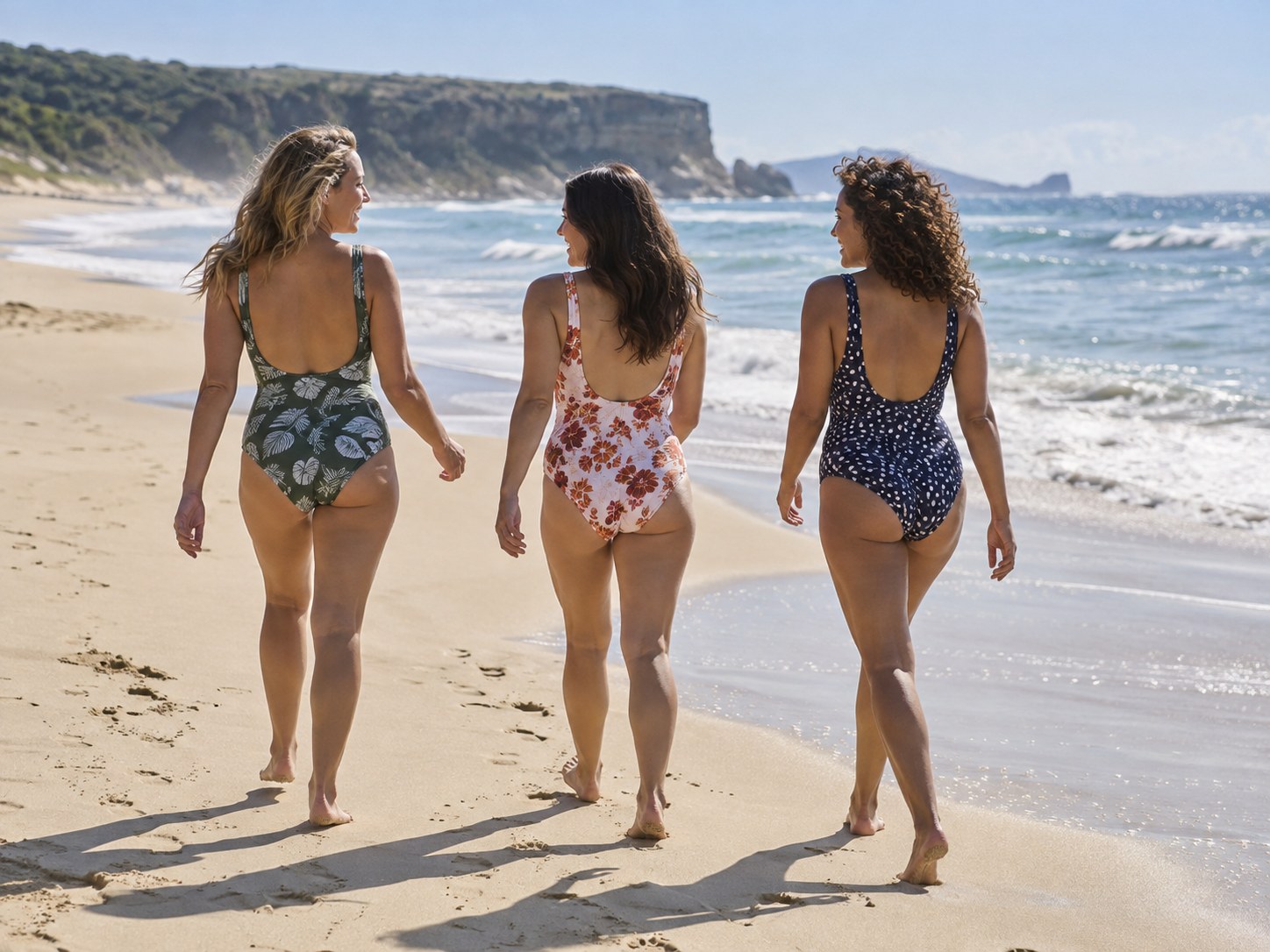
Custom Swimwear: A Shorter Sourcing Cycle
Ice Hockey Jerseys: Team Uniform Delivery
Corporate Activewear: A Coordinated Rollout
YOUR CUSTOM SPORTSWEAR PROJECT
Develop Your Next Custom Sportswear Collection
Send your designs, fabric preferences, size range and target quantities. Sportxia will reply within 24 hours with the next steps for a quotation, samples and your production plan.
Discuss Your Custom Design →