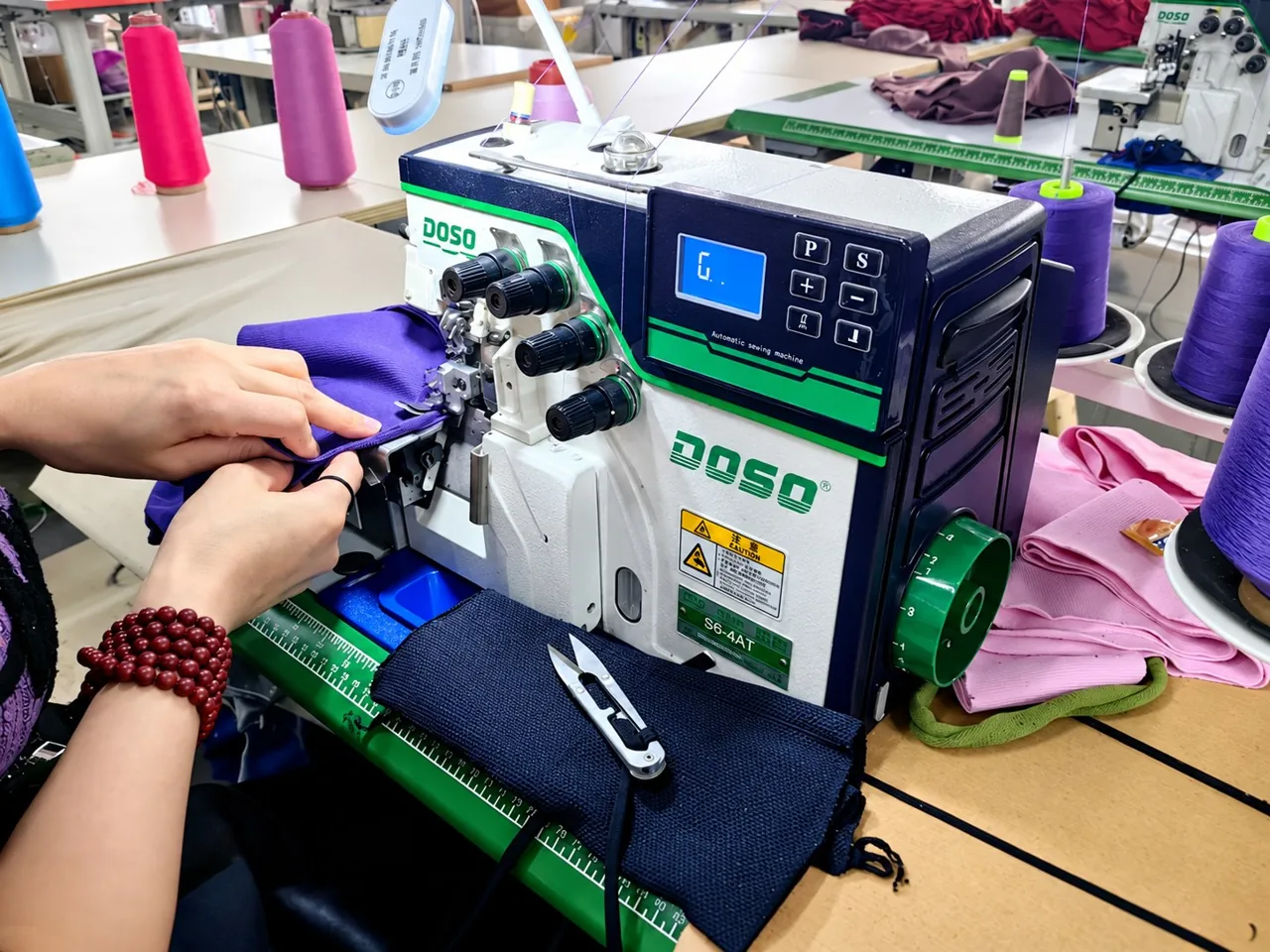
ACTIVEWEAR STARTUP CASE STUDY
Activewear Startup Case Study:
A Seven-Figure Exit in 18 Months
 LucasUpdated October 19, 2026
Acquisition reached
within 18 months
Gross margin increase
in percentage points
Sample turnaround
previously 35 days
Reported return rate
previously 22%
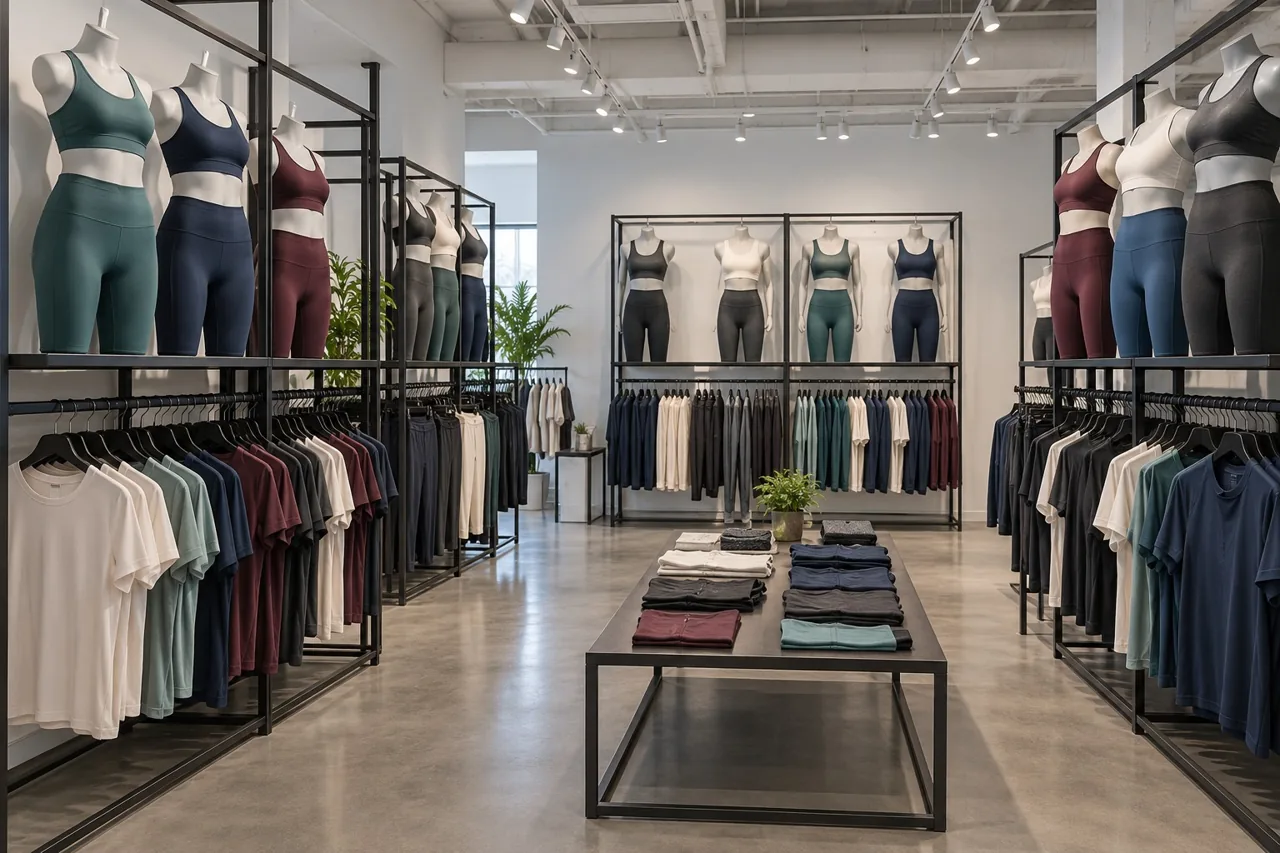
Client Profile
| Industry | DTC activewear startup |
|---|---|
| Founding team | Two co-founders |
| Market | United States · West Coast |
| Growth milestone | Seven-figure acquisition within 18 months |
| Starting challenge | Slow samples, inconsistent garment quality and cash committed to unproven custom fabric. |
| Project priority | Small opening runs, faster development and a repeatable production plan as demand grew. |
The customer and technical personnel are anonymized. This case describes a specific manufacturing program and the customer’s subsequent acquisition milestone.
The Challenge
The founders had customer interest in their leggings, but the collection needed a more dependable route from development to replenishment. Samples, material commitments and finished-stock decisions were competing for the same limited budget.
- Slow development. Samples took 35 days, leaving a long gap between a design decision and a garment the founders could review.
- Quality affecting repeat business. A 22% return rate made fit, seams, coverage and material performance priorities for the next production brief.
- A costly custom-material commitment. Early mill terms required 2,000 yards. The program had already lost US$20,000 on a custom-fabric experiment before moving to available materials.
- Stock without a clear sales route. More than 500 unsellable garments tied up cash. Future production quantities needed a closer connection with actual customer demand.
The goal was a production system the team could repeat as the collection grew. Explore private label development for emerging brands.
The Solution
Four linked decisions shaped the manufacturing program: the material commitment, the cost model, the quality procedure and the production quantity.
Phase 1: Begin with Available, Proven Fabrics
The initial material plan prioritized available nylon-spandex fabrics over a new proprietary development. The founders could compare physical swatches and sample garments before taking on another large mill commitment.
For an early collection, keep the material card specific: fibre blend, weight, colour, width, usable quantity and repeat availability. Check the same fabric in the garment’s intended movement and care conditions. Availability helps planning, while the approved sample still determines suitability.
Custom fabric can be considered when the expected sales, development budget and order volume support it. The decision should follow a tested product brief and a clear reason to change the existing material.
Phase 2: Make Each Order’s Unit Economics Visible
Sportxia and the founders connected order quantities with material, trims, decoration, packing and freight costs. The program’s reported gross-margin improvement was 22 percentage points.
A useful comparison also considers the size split, expected returns, markdowns and the cash held in stock. Keep selling-price assumptions separate from the manufacturing quotation, then update the model when actual orders and returns provide better information.
Review a repeat order using its current material availability and confirmed shipping scope. A higher volume only improves the business when the collection can sell through at the intended price. Review ecommerce manufacturing and fulfillment.
Phase 3: Connect Quality Checks to the Garment Specification
The production procedure combined seam-setting review, fabric and fit approval, and coverage checks on each run. Sampling reached nine days, while the reported return rate fell to 2%.
A leggings review should examine fit, movement, seam extension, opacity and surface appearance as separate properties. Retain the accepted garment with its measurement chart, construction notes and agreed care conditions so later runs have a consistent reference.
ASTM D4970/D4970M concerns pilling and related surface changes using a Martindale tester. Choose a separate, suitable assessment for coverage, stretch recovery and seam performance. Agree the method and acceptance criteria for the actual material and construction.
Inline checks and the final inspection used the approved specification, with AQL 2.5 included in the agreed sampling brief. Sampling results and any corrective work were recorded before shipment release.
Phase 4: Use Customer Demand to Set the Production Queue
The founders brought waitlists, customer feedback and repeat-purchase information into reorder decisions. Inventory moved from more than 500 unsellable garments to near zero dead stock during the reported program.
Review demand by style, colour and size rather than relying only on a total sales figure. A waitlist shows interest; completed purchases and repeat orders provide additional evidence for quantity planning. Allow for cancellations, returns and the time needed to replenish a proven style.
Keep the next run connected to the last approved version. If feedback calls for a fit or material change, record that revision and review a sample before repeating it at volume.
The Results
| Measure | Before | Outcome |
|---|---|---|
| Sample turnaround | 35 days | 9 days |
| Gross margin | Starting position | +22 percentage points |
| Return rate | 22% | 2% |
| Acquisition milestone | — | Seven-figure exit · 18 months |
| Fabric-failure loss | US$20,000 | US$0 in the reported period |
| Unsellable inventory | 500+ garments | Near zero |
Figures describe this customer’s reported program. The margin change is expressed in percentage points. The acquisition is a customer business outcome, alongside the manufacturing results shown here. Read Sportxia’s fact-checking process for information on reporting and corrections.
Key Takeaways
- Choose a material commitment that fits the stage of the business. Compare available fabrics on a garment before funding a proprietary development. Retain the approved material identity for repeat orders.
- Use sales evidence at the style and size level. Link the next production quantity to what customers have bought and requested. Reassess the forecast as returns and repeat purchases become visible.
- Write quality decisions into the production reference. Fit comments, seam settings and material checks should travel together. A clear handover helps the next run reproduce the accepted garment.
- Track margin and stock together. A lower garment price is only part of the order decision. Review the delivered cost, returns and unsold inventory when comparing production options.
Developing your first activewear collection? Share your brief with Sportxia to review material options, sampling, opening quantities and repeat production. Requests for project documents are considered subject to client confidentiality and disclosure permission.
Learn how Sportxia reviews manufacturing information, sources and corrections in our fact-checking process. To report an error, contact our content team with the article link and supporting evidence.
MORE CASE STUDIES
Explore More Production Results
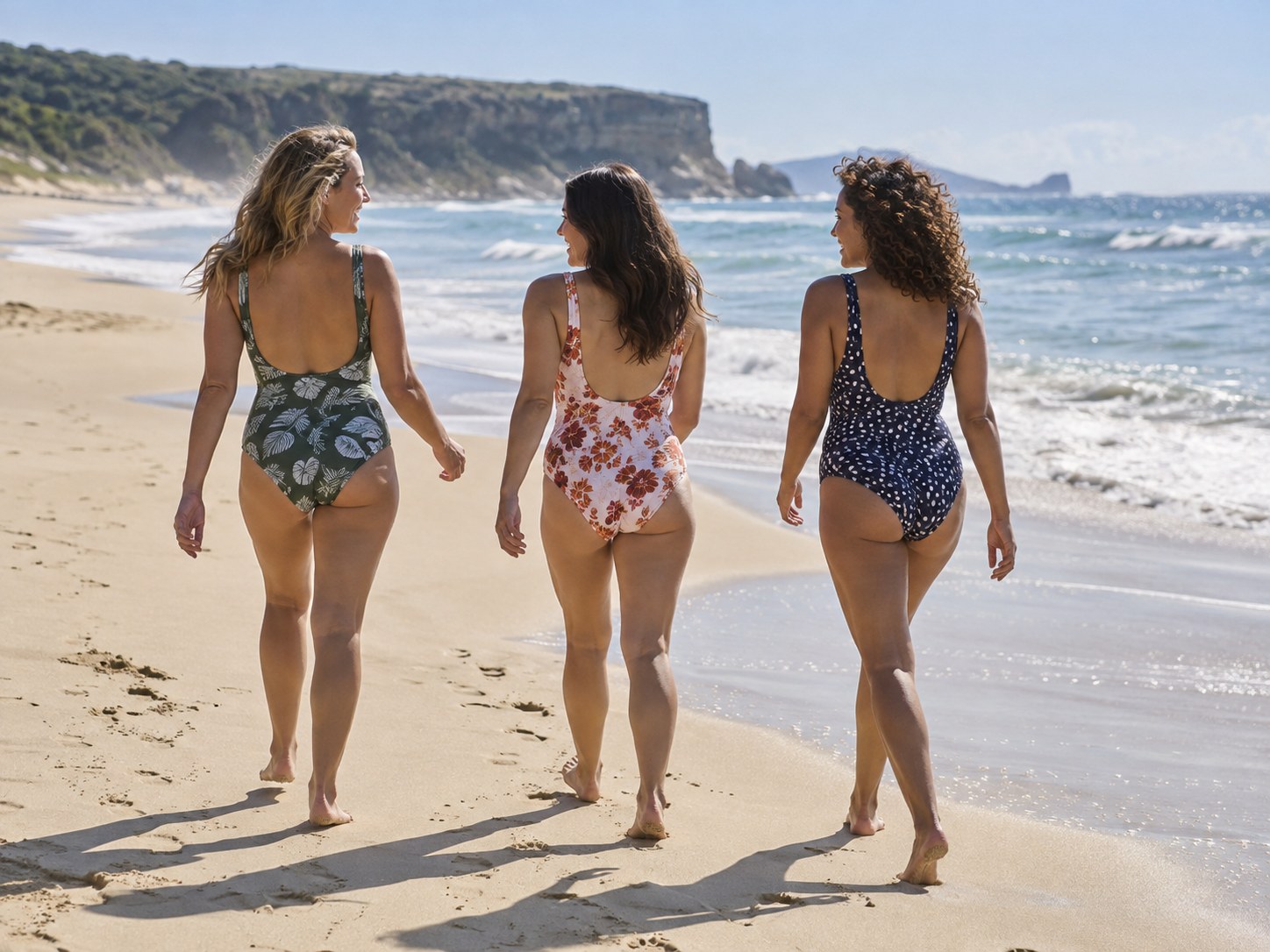
Custom Swimwear: A 40% Shorter Sourcing Cycle
Ice Hockey Jerseys: 500 Uniforms in 14 Days
Corporate Activewear: 5,000 Units in 45 Days
BUILD YOUR ACTIVEWEAR COLLECTION
Plan Your Launch and Your Next Reorder
Share your designs, intended customer, opening quantities and launch date. Sportxia will respond within 24 hours with the next steps for your project.
Discuss Your Activewear Collection →