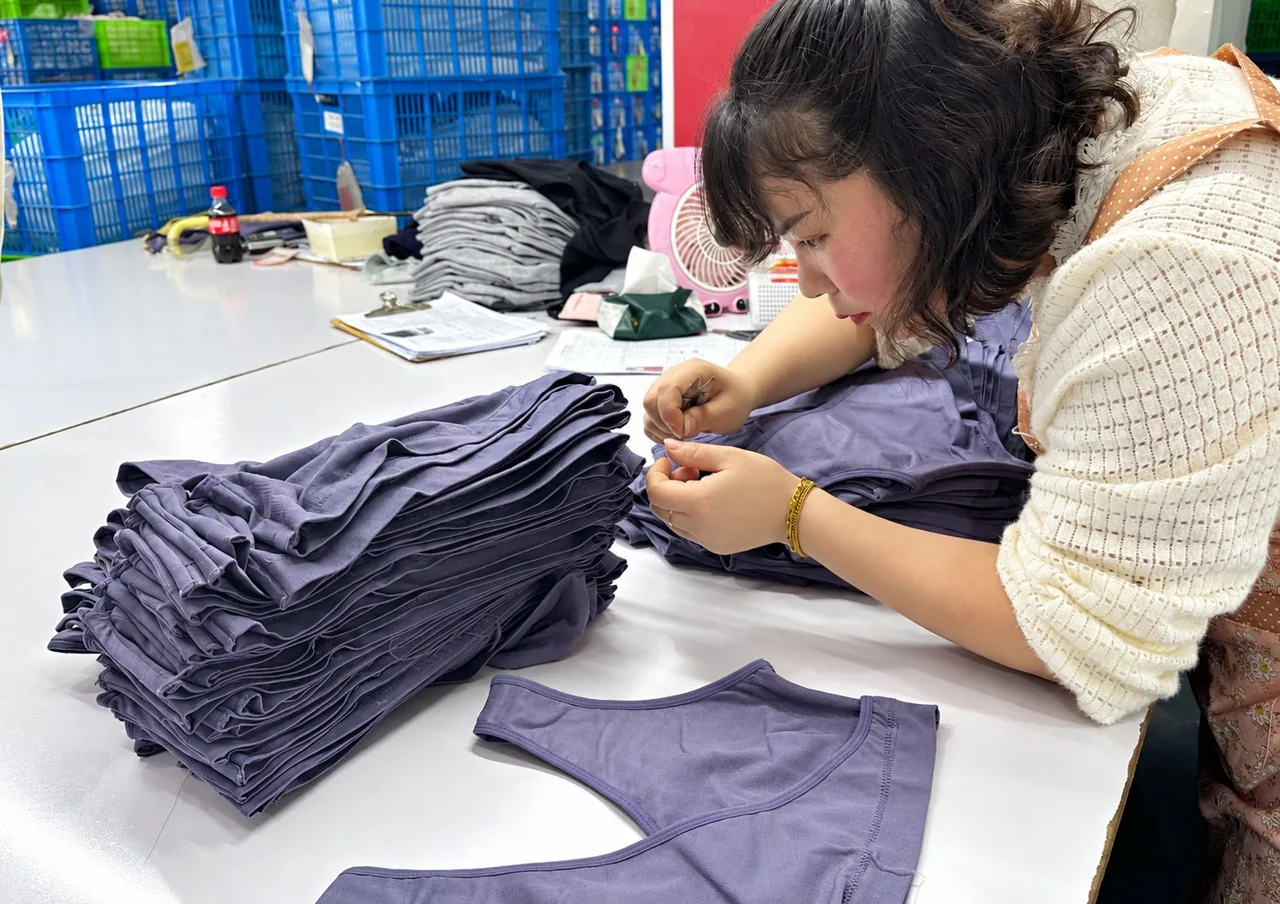
CORPORATE ACTIVEWEAR CASE STUDY
Corporate Activewear Case Study:
5,000 Units Delivered in 45 Days
 LucasUpdated October 19, 2026
Garments produced and
delivered in 45 days
Reported delivered defects
for this project
Variance from the agreed
landed-cost estimate
Saved during the
approval cycle
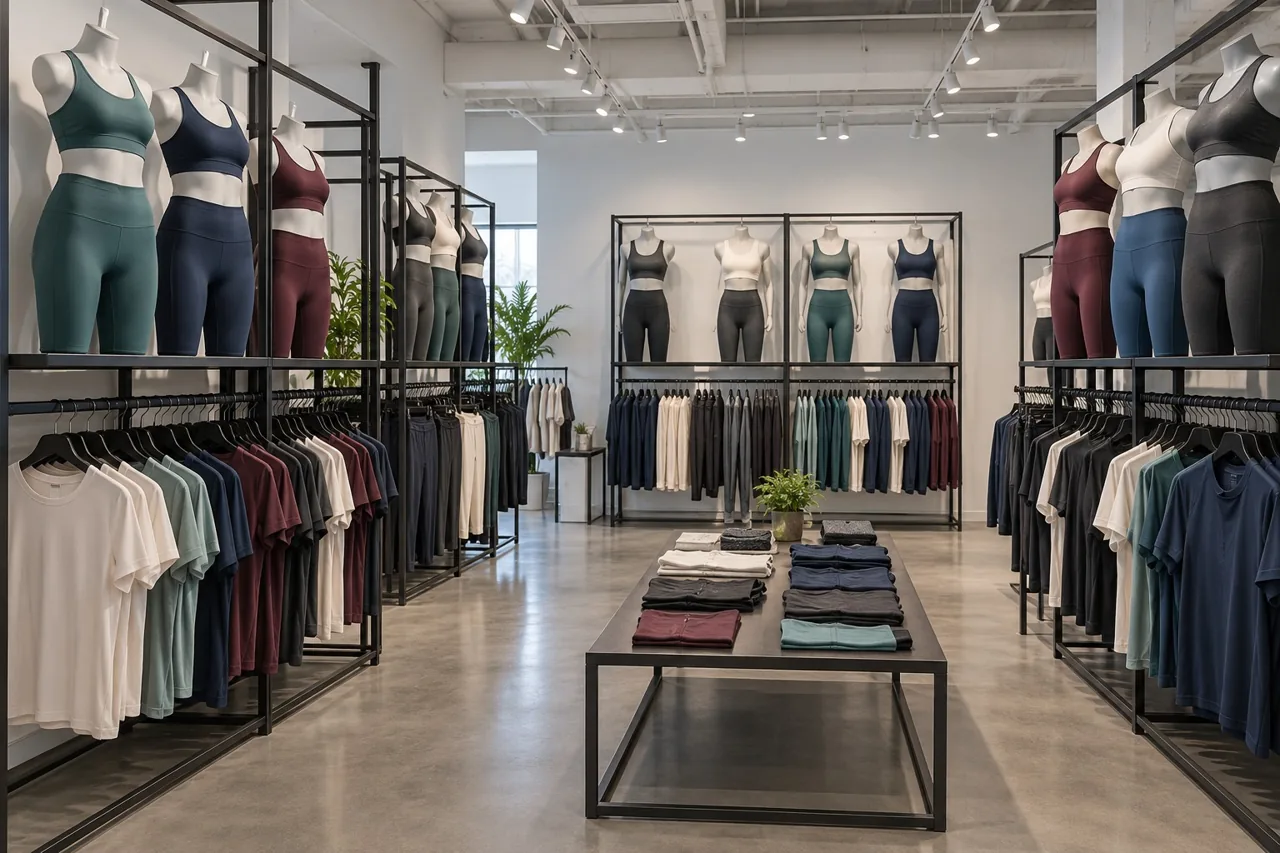
Client Profile
| Industry | Corporate wellness and employee apparel |
|---|---|
| Company size | 5,000+ employees |
| Market | United States · multiple sites |
| Annual procurement | US$500,000+ in uniform purchasing |
| Starting challenge | Consistent branding on stretch garments, controlled finishing materials and a predictable delivery budget. |
| Project priority | A coordinated 5,000-garment rollout with approved specifications, inspection records and agreed delivery costs. |
The customer’s identity and individual technical personnel are anonymized for this case.
The Challenge
A coordinated employee rollout brings purchasing, brand approval and delivery planning into the same project. The procurement team needed the finished garments to match an agreed standard, with the final receiving cost visible before placing the order.
The production brief focused on three areas that needed approval before scale-up:
- Brand marks on performance fabrics. A decoration sample needs to be assessed on the selected garment material, including its appearance when the panel stretches and after the agreed care cycle.
- Finishing materials and batch identity. An approved hand feel is difficult to reproduce if the finish changes without authorization. The material reference must remain traceable through receipt, issue and production.
- Costs beyond the garment. A useful procurement comparison includes the agreed packing, freight and destination charges. Record the exclusions and assumptions alongside the unit price.
Sportxia organized the order around a shared approval file, material controls and inspection decisions before packing. Explore corporate and team apparel production.
The Solution
The order followed four approval stages, giving procurement and production a clear reference at each handover.
Phase 1: Align the Garment and Brand Specification
The physical approval connected the fabric, colour, dimensions and logo application. A 220 GSM fabric was selected for the program, with silicone heat-transfer branding on the relevant stretch panels.
For any new corporate range, review the decorated sample in its intended position rather than approving artwork alone. Compare the logo at rest and under the garment’s expected movement, then record the accepted size and placement. Review Sportxia’s printing options.
OEKO-TEX® STANDARD 100 concerns testing for harmful substances. Check the certificate number, validity and covered article against the supplied material; it does not establish logo adhesion or wash durability.
Phase 2: Assign Capacity and Define the QC Plan
Three production lines were allocated to this order. The line handover brought the approved garment, measurements, artwork and inspection criteria together.
The quality plan identified who could release material, who reviewed inline findings and who authorized packing. ISO 9001 provides a quality-management framework. An agreed AQL 2.5 sampling plan belongs within the inspection brief; it does not guarantee that a shipment contains no defects.
Keep sampling level, defect categories and acceptance numbers in the order file. That lets both teams review an inspection result against the same rules, using the applicable acceptance-sampling procedures.
Phase 3: Control the Approved Finish through Material Issue
The material-control procedure linked incoming finish lots with batch cards and a first-off comparison. A substitution required review before the affected material could continue into the order.
A practical batch record identifies the supplier, lot, receipt date and work order. Retaining the approved reference beside the issue record makes it easier to investigate a difference in shade, hand feel or post-wash appearance.
Use a test method that answers the actual question. AATCC TM135 addresses fabric dimensional changes after home laundering. Stretch recovery and decoration durability need their own defined assessments and acceptance criteria.
Phase 4: Inspect Inline, Release Packing and Reconcile Delivery
Inspection covered the work in progress and the finished garments before packing. Ten items flagged during QC were corrected before packing; the reported delivered defect rate was 0%, with no subsequent rework cycle.
For a multi-site rollout, connect the packing list to destination and size allocations. Reconcile the delivered quantities with receiving records and the invoice with the agreed cost schedule. The project closed at 5,000 garments delivered within 45 days. See packaging and dispatch coordination.
The Results
| Measure | Project brief | Outcome |
|---|---|---|
| Units delivered | 5,000 | 5,000 |
| Order completion | 45-day rollout | 45 days |
| Delivered defects | 0% target | 0% reported |
| Post-release rework | Avoid a further cycle | None |
| Landed-cost variance | Agreed cost schedule | US$0.00 |
| Approval efficiency | Documented decisions | 40 hours saved |
| 50-unit pilot | Pre-production review | 12 days · no defects reported |
Delivered results describe this project. Items corrected during production are distinguished from defects in the delivered order. Learn how Sportxia handles reporting and corrections in our fact-checking process.
Key Takeaways
- Approve the decorated garment as a complete product. Fabric, finish, artwork and application need a common reference. Retain the accepted sample and the conditions used to evaluate it.
- Keep material changes visible. A batch identity and a written substitution decision make the specification easier to maintain across purchasing, storage and production.
- Compare the full receiving cost. List what the quotation includes, the destination assumptions and how changes are approved. Keep the reconciliation beside the order record.
- Resolve findings before packing release. Record each issue, the affected quantity and the check after correction. The receiving team should be able to trace the released shipment to that decision.
Preparing an employee apparel rollout? Send Sportxia your procurement brief to review samples, inspection checkpoints, packing allocations and delivery scope. Requests for client project records are subject to confidentiality and disclosure permission.
Learn how Sportxia reviews manufacturing information, sources and corrections in our fact-checking process. To report an error, contact our content team with the article link and supporting evidence.
MORE CASE STUDIES
Explore More Production Results
Custom Swimwear: A 40% Shorter Sourcing Cycle
Ice Hockey Jerseys: 500 Uniforms in 14 Days
Activewear Startup: Production for the Next Stage
PLAN YOUR CORPORATE ROLLOUT
Bring Your Employee Apparel Brief to Sportxia
Share your brand guidelines, garment requirements, quantities and receiving locations. Sportxia will respond within 24 hours with the next steps for your project.
Request Your Production Plan →