CUSTOM SWIMWEAR CASE STUDY
Custom Swimwear Case Study:
40% Faster Sourcing with Sportxia
 LucasUpdated October 18, 2026
Shorter sourcing cycle
60 → 36 days
Defects after production
Previously 15%
Samples to approval
Previously 5 rounds
Expedited sample freight
saved per season
Client Profile
| Industry | Private label swimwear · mid-market |
|---|---|
| Company size | 8–15 employees |
| Market | Australia |
| Annual revenue | Approximately US$2 million |
| Starting challenge | A 60-day sourcing cycle, 15% defects and repeated sample revisions. |
| Project priority | Develop a reliable seasonal swimwear collection with controlled fabric behavior, fit and production timing. |
The customer’s name is withheld for confidentiality. This case is presented by Sportxia using the project figures confirmed for this manufacturing program.
The Challenge
The brand needed to prepare its next swimwear collection while bringing development time and manufacturing quality under control. The starting figures made the priorities clear: shorter sourcing, fewer remakes and a more consistent finished garment.
Four issues shaped the production brief:
- A 60-day sourcing cycle. For a seasonal collection, material decisions, sample comments and production scheduling need to reach the same team. A slow handover at each step leaves less time for the brand’s launch preparation.
- A 15% defect rate. A swimsuit must keep its intended fit in a stretch fabric. Size consistency, lining behavior and seam construction therefore need to be approved together rather than reviewed as separate cosmetic details.
- $4,000 in expedited sample freight. Urgent sample shipping had become part of the development budget. Reducing avoidable remakes and making each approval round more decisive gave the project a way to address that recurring cost.
- Five rounds before sample approval. Repeated revisions consumed time without providing a stable production reference. The development brief needed a clear record of what had changed, who approved it and which version was ready for the next stage.
Sportxia’s work focused on the approvals between the design file and the finished order. A revised sample only helps when its fabric, measurements and construction become the reference used by production.
The Solution
The manufacturing plan was organized around five approval points, from the technical brief to the shipment schedule.
Phase 1: Review the Design and Production Brief
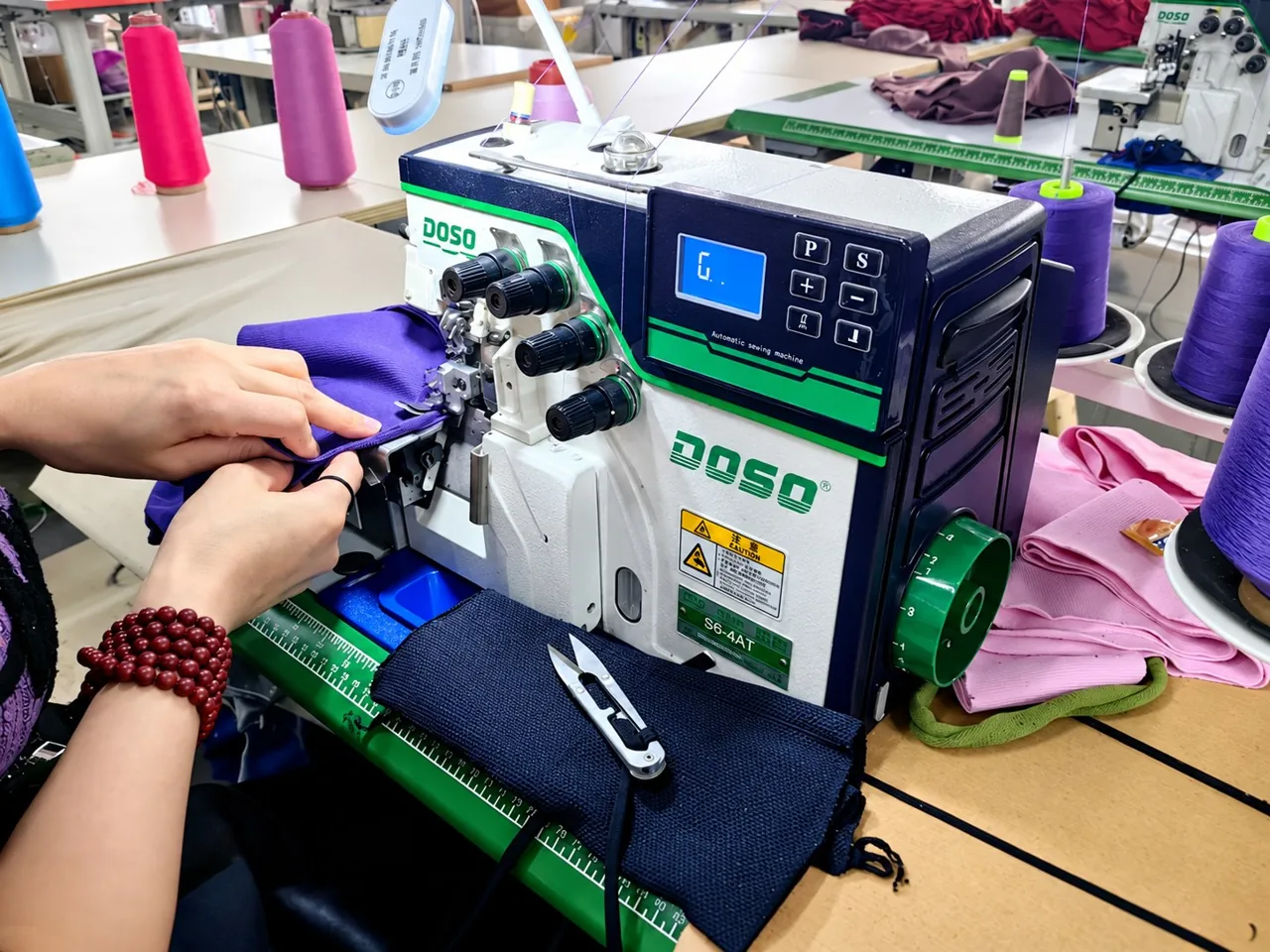
Sportxia brought the front and back design, measurement chart, fabric reference and component list into a shared technical pack. The production review clarified the elastic, lining, openings and seam positions before those details could become separate sample corrections.
Sample comments were consolidated against the same version. This gave the customer and the factory a common reference for the fit review and the subsequent production handover. Explore Sportxia’s cut-and-sew development.
Phase 2: Validate the Fabric before Cutting
The wash trial recorded 4% shrinkage. Sportxia carried that result into the material and pattern review before approving the production dimensions. The washed sample was compared with the original measurement record, with the garment checked again after the adjustment.
- The material reference, care conditions and before-and-after measurements were retained together.
- The material-document review used the applicable Textile Exchange standards as the reference for checking the supplied recycled material.
- Wash-dimensional checks were treated separately from stretch and recovery checks. AATCC TM135 addresses fabric dimensional changes after home laundering.
Phase 3: Make Each Fit Sample an Approval Step
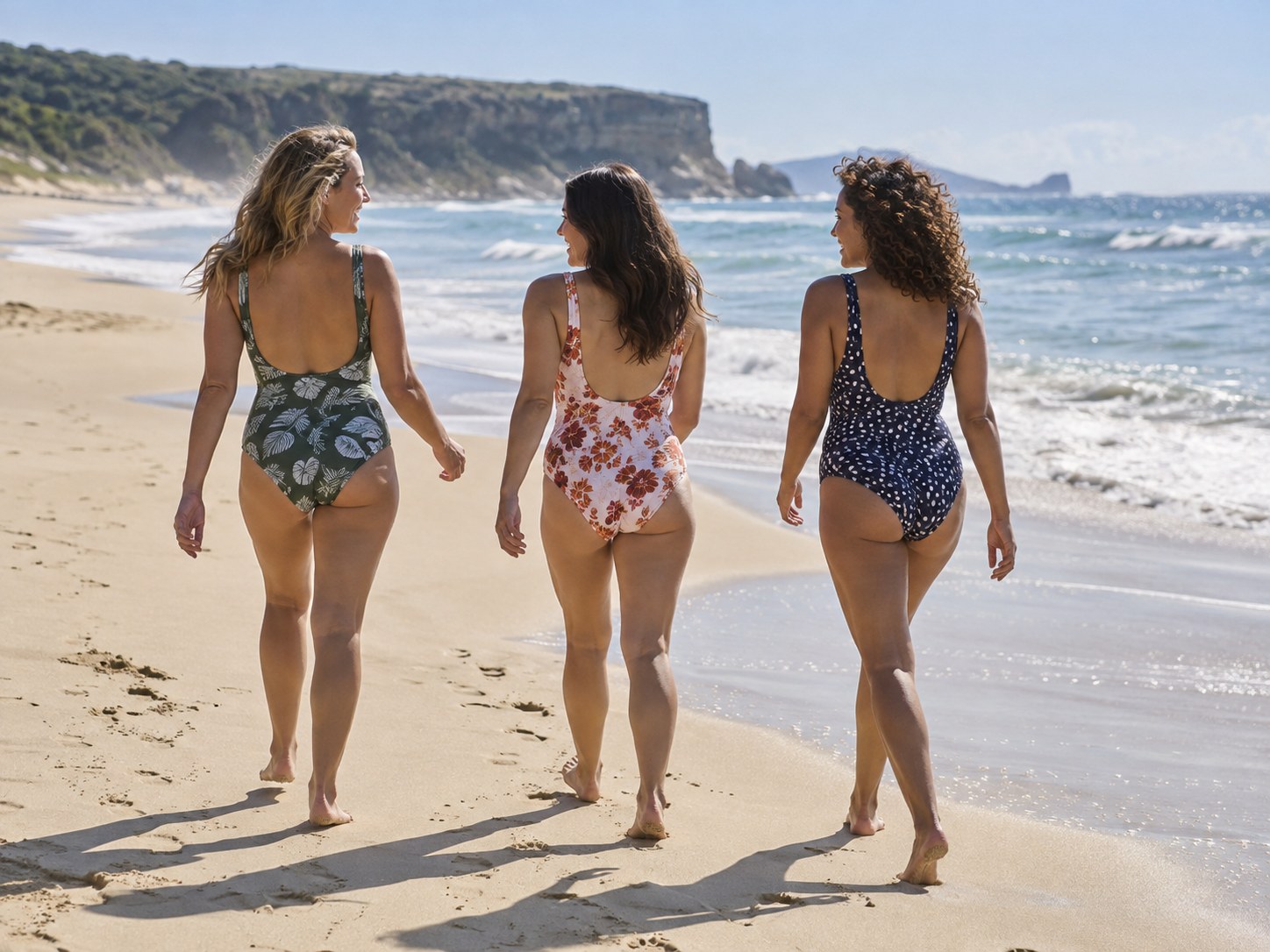
The program reached approval in two sample rounds instead of five. The fit review connected the garment on the body with its measured specification, bringing coverage, opening tension, lining stability and freedom of movement into the same approval round.
The team consolidated comments before the next sample was requested and retained the approved fabric and construction details with the fitting record. Each round therefore addressed a defined list of outstanding decisions. Review apparel sizing and grading.
Phase 4: Carry the Approved Sample into Production QC
The finished-order defect figure fell to 0.5%, while the reported bulk turnaround was 18 days. The production handover connected the accepted measurements, material reference and workmanship criteria with the approved garment, giving the bulk run a physical and written benchmark.
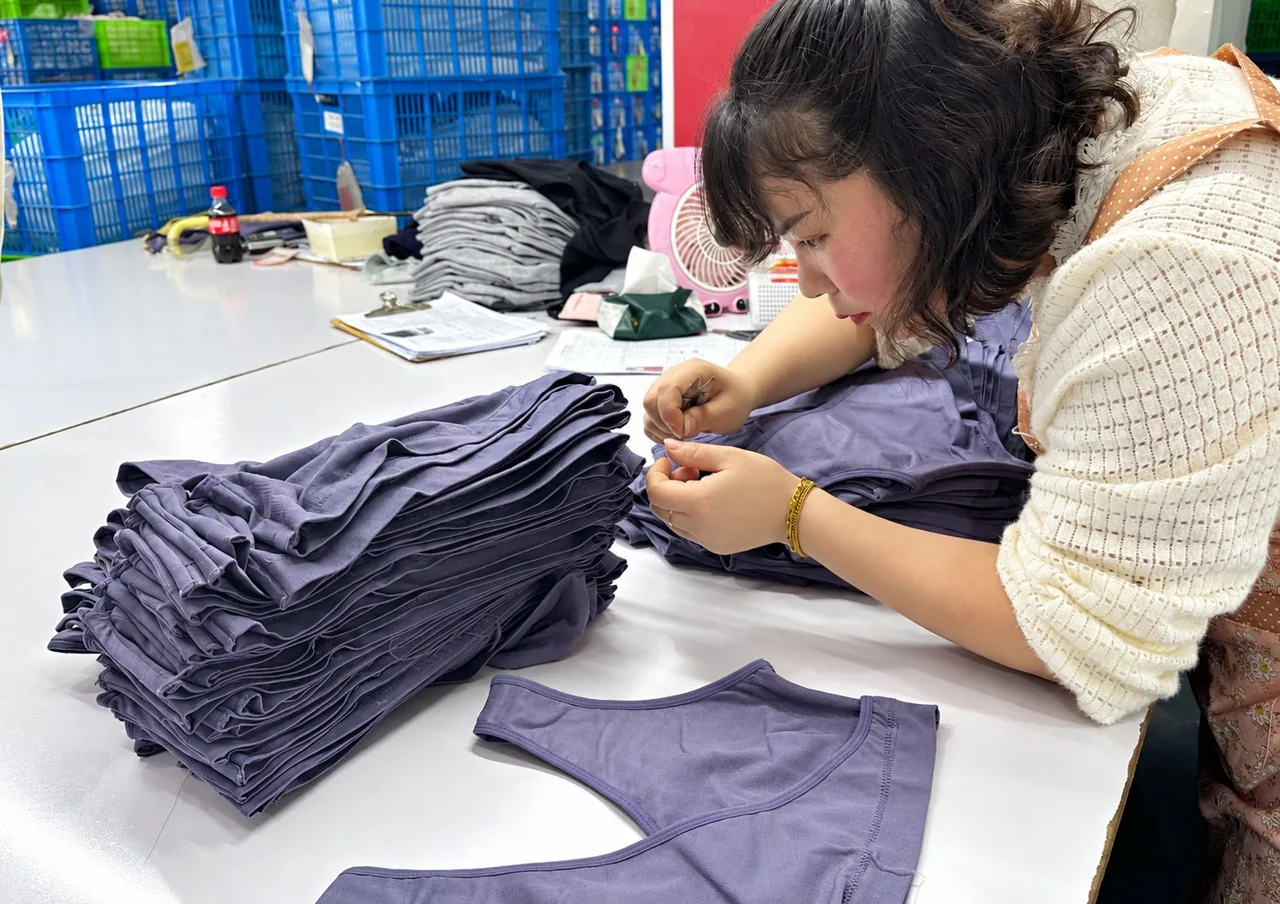
Quality checks covered material readiness, garment assembly and finished-order packing. Inspection criteria and results were tied to the approved specification, with AQL 2.5 used for the agreed final sampling plan. Any corrective work was reviewed against the same garment standard before release.
Phase 5: Plan Backward from the Seasonal Launch
The reported end-to-end sourcing period moved from 60 to 36 days. The project calendar connected sample decisions, material readiness, production, inspection and shipment, so approvals could be considered alongside the next manufacturing milestone.
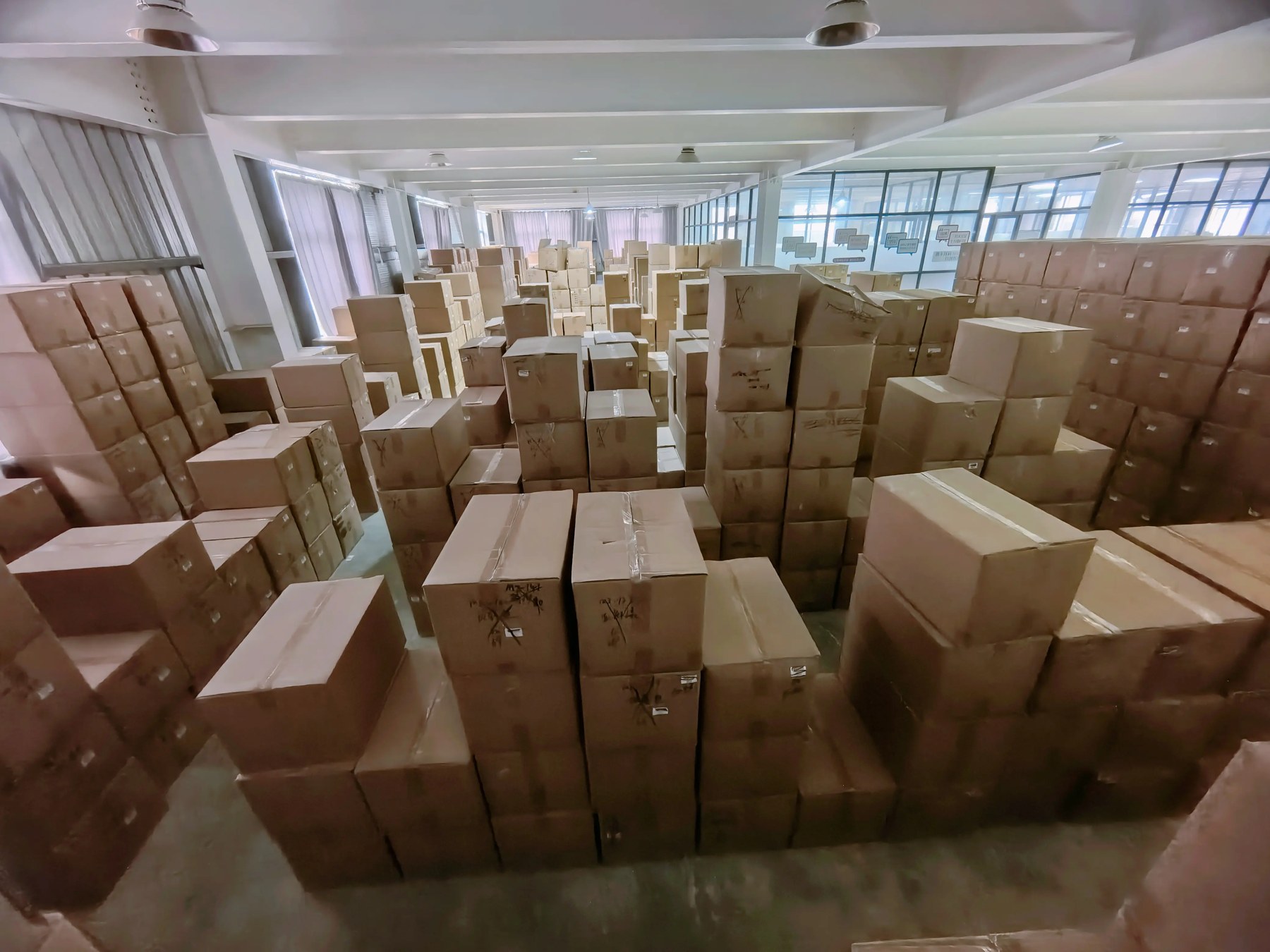
Approval, dispatch and receiving were tracked as distinct milestones. Freight planning was linked to the agreed destination and shipping scope, while final garments, packing information and shipment documents were reviewed together. See packing and dispatch coordination.
The Results
| Measure | Before | After |
|---|---|---|
| Sourcing cycle | 60 days | 36 days |
| Sample rounds | 5 | 2 |
| Defect rate | 15% | 0.5% |
| Bulk turnaround | 40+ days | 18 days |
| Expedited sample freight | US$4,000 / season | US$0 |
| Development approval | — | 22 days |
Project reporting: These are Sportxia’s reported results for this swimwear program. Sourcing, bulk production and development approval describe different tracked milestones. For the review approach and corrections, see our fact-checking process.
Key Takeaways
- Test the fabric before freezing the pattern. A wash result and a stretch-recovery assessment answer different questions. Retain the material identity and test conditions so the approved garment can be reproduced.
- Give the brand and factory one approval record. Use the same measurement chart, artwork and construction notes throughout sampling and production. Clear version ownership makes a correction easier to carry into the finished order.
- Use sample rounds to close decisions. Review fit, lining, seams and material behavior together. A consolidated comment file gives the next sample a defined purpose and prevents unresolved details from resurfacing later.
- Connect production timing with the sales season. Build the launch calendar around material and approval readiness as well as sewing capacity. Keep inspection and the freight route visible when assessing the delivery date.
Planning a similar collection? Contact Sportxia to discuss your technical pack, material review, sample plan and the production records relevant to your project. Any client documents are subject to confidentiality and disclosure permission.
Learn how Sportxia reviews manufacturing information, sources and corrections in our fact-checking process. To report an error, contact our content team with the article link and supporting evidence.
MORE CASE STUDIES
Explore More Production Results
Ice Hockey Jerseys: 500 Uniforms in 14 Days
Corporate Activewear: A 5,000-Unit Rollout