BOUTIQUE SPORTSWEAR MANUFACTURING
Boutique Sportswear Manufacturing.
Small Batches. Premium Craft.
Build a boutique collection around the details your customers feel: technical fabric, a fit that moves and finishing that lasts. Sportxia brings fabric sourcing, pattern development and production together from 100 units per style. Share your technical brief for a production plan within 24 hours, with sample approvals and quality criteria defined before your first drop.
HOW WE SOLVE THEM
Four Sourcing Problems. Four Practical Solutions.
Work through the fabric, fit, sample and finishing decisions before you choose a factory. Open each problem for the records, approvals and physical checks that make a capability reviewable.
01Performance Claims Without Fabric Evidence
SOLUTION #1
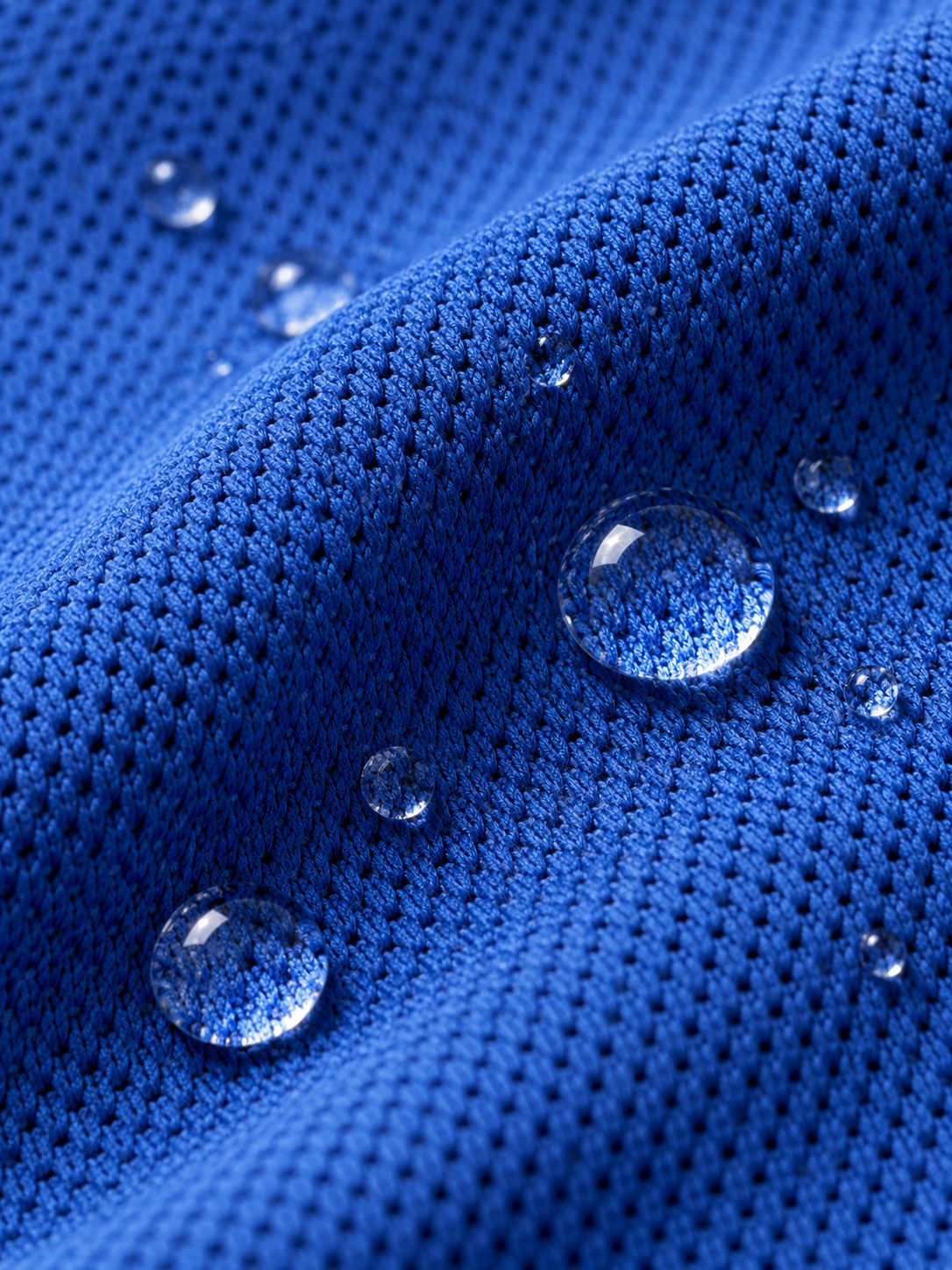
A label can say moisture-wicking, four-way stretch or UPF 50+. The garment still has to deliver those properties during a real workout. Without a matching test record, the claim leaves the brand carrying the risk.
PROCUREMENT INSIGHT
Composition alone does not describe performance. Two polyester knits can differ in structure, finish, weight and recovery. Start by identifying the intended activity and care routine, then request results for the actual material proposed. The report should identify the fabric and test method so the approved specification can be checked against incoming yardage.
Put Measurable Performance into the Fabric Specification
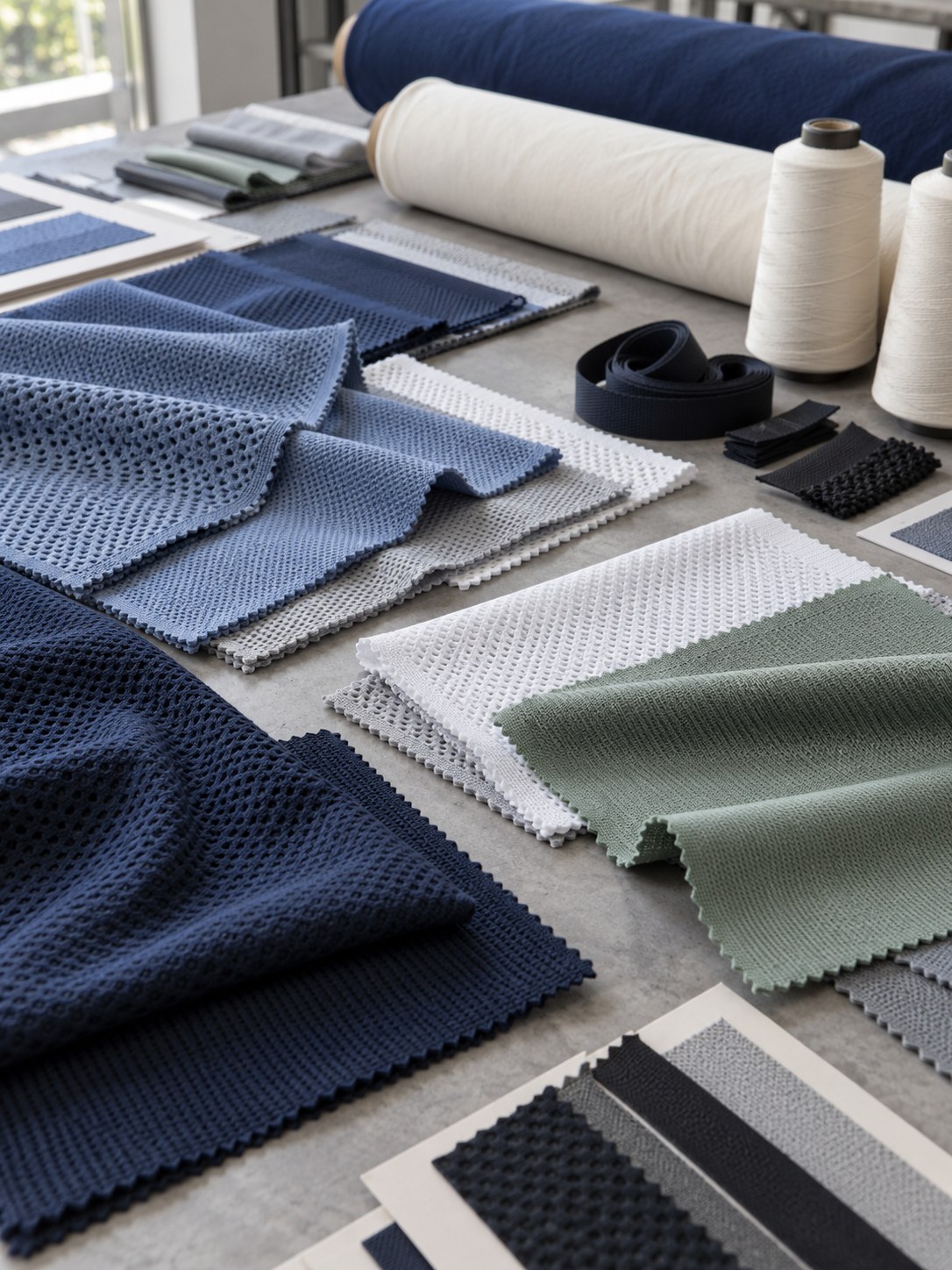
Choose the properties your product needs and give each one an acceptance criterion: moisture management, stretch and recovery, UV protection where required, and colorfastness under the relevant use conditions. Sportxia connects the selected fabric, sample and test documentation before cutting. Explore the fabric board below ↓
- Record moisture-management results, stretch recovery and any required UPF rating.
- Include perspiration or chlorine colorfastness where the activity calls for it.
- Review the applicable report and material identity before releasing the bulk fabric.
02A Static Fit That Fails When the Body Moves
SOLUTION #2
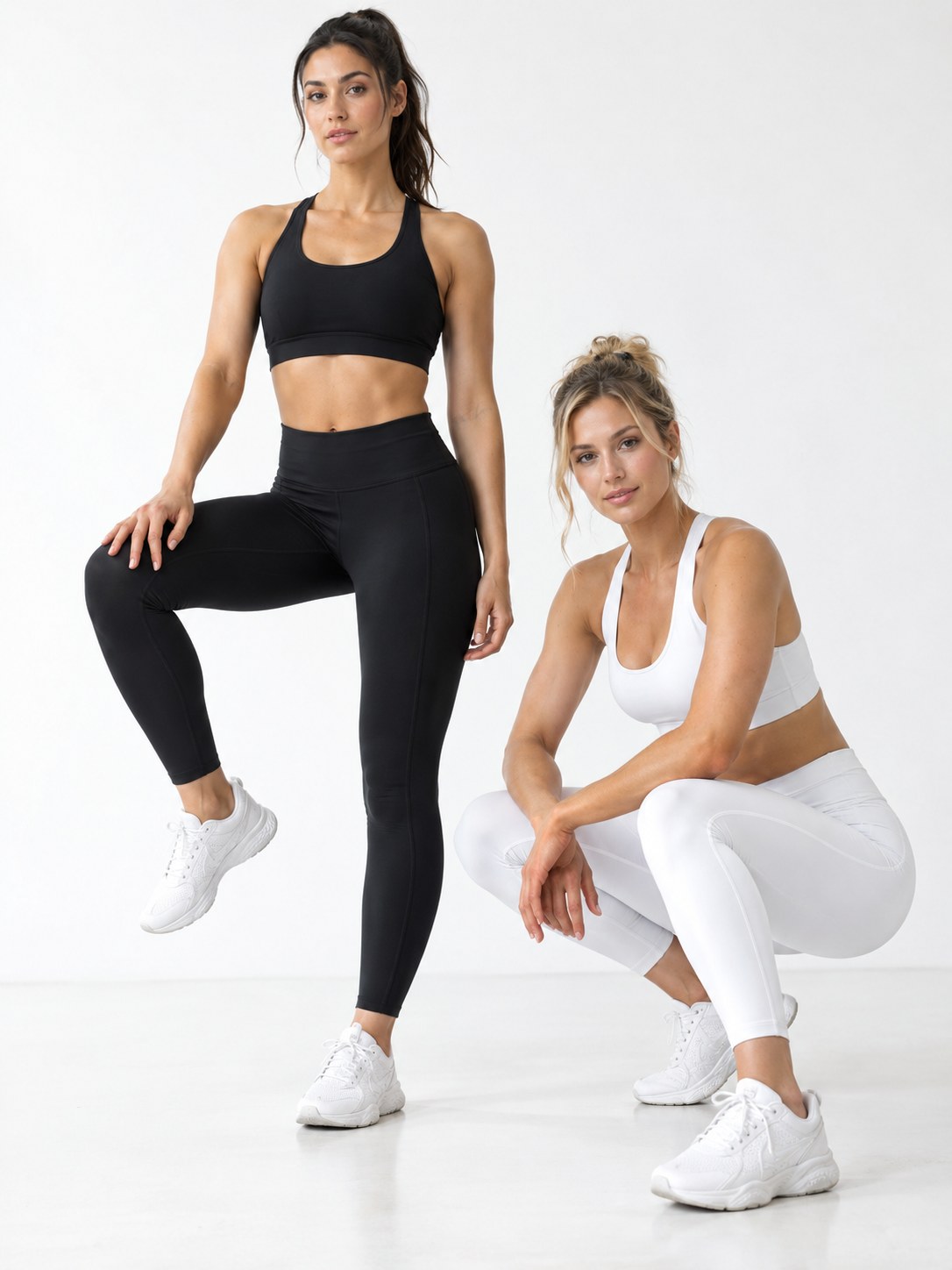
Leggings can look smooth on a standing model and restrict a squat. A sleeve can measure correctly on the table and pull during an overhead reach. The first fitting needs to represent how your customer actually trains.
PROCUREMENT INSIGHT
Movement changes the load on seams and the amount of coverage a garment provides. A gusset, an articulated panel or a different sleeve pitch can solve a problem that simply adding circumference will not. Review these decisions together with fabric stretch, then check the grade across the intended size range. A convincing single-size photograph cannot validate the complete collection.
Develop the Pattern Around Movement and the Full Size Range
Use the approved fit as a controlled starting point for graded measurements. Sportxia reviews construction, seam position, coverage and recovery with the selected material, so the sample can be assessed during the intended exercise. Review apparel sizing and grading →
- Specify gussets, articulated seams, raglan sleeves or shaped hems where needed.
- Check the size range against your customer profile and graded measurement chart.
- Carry approved fit comments into one version of the production specification.
03A Sample Photo Cannot Replace a Wear Test
SOLUTION #3
A late sample or substitute fabric can force a launch decision before the garment has been worn. The difference often becomes clear only when the bulk order reaches a runner, rider or studio customer.
PROCUREMENT INSIGHT
A useful sample must answer a production question. The material, construction and decoration should represent the planned order closely enough for the review to reveal friction, recovery, coverage and care issues. Put sample dates and required inputs into the development plan, then consolidate feedback rather than sending disconnected revisions. An archived approved garment gives production and future reorders a shared reference.
Review a Physical Sample in the Intended Production Fabric
Sportxia develops physical samples for in-hand and on-body review, with a typical 7–15-day sample window after the technical inputs and materials are ready. Use the garment for movement and wash review, record the changes, and approve the finished reference before production. Explore cut-and-sew development →
- Allocate sample development separately in the project schedule.
- Review the actual garment, its material and construction during movement.
- Keep the approved sample and revision record for bulk production and reorders.
04Branding and Trims That Undermine a Premium Garment
SOLUTION #4
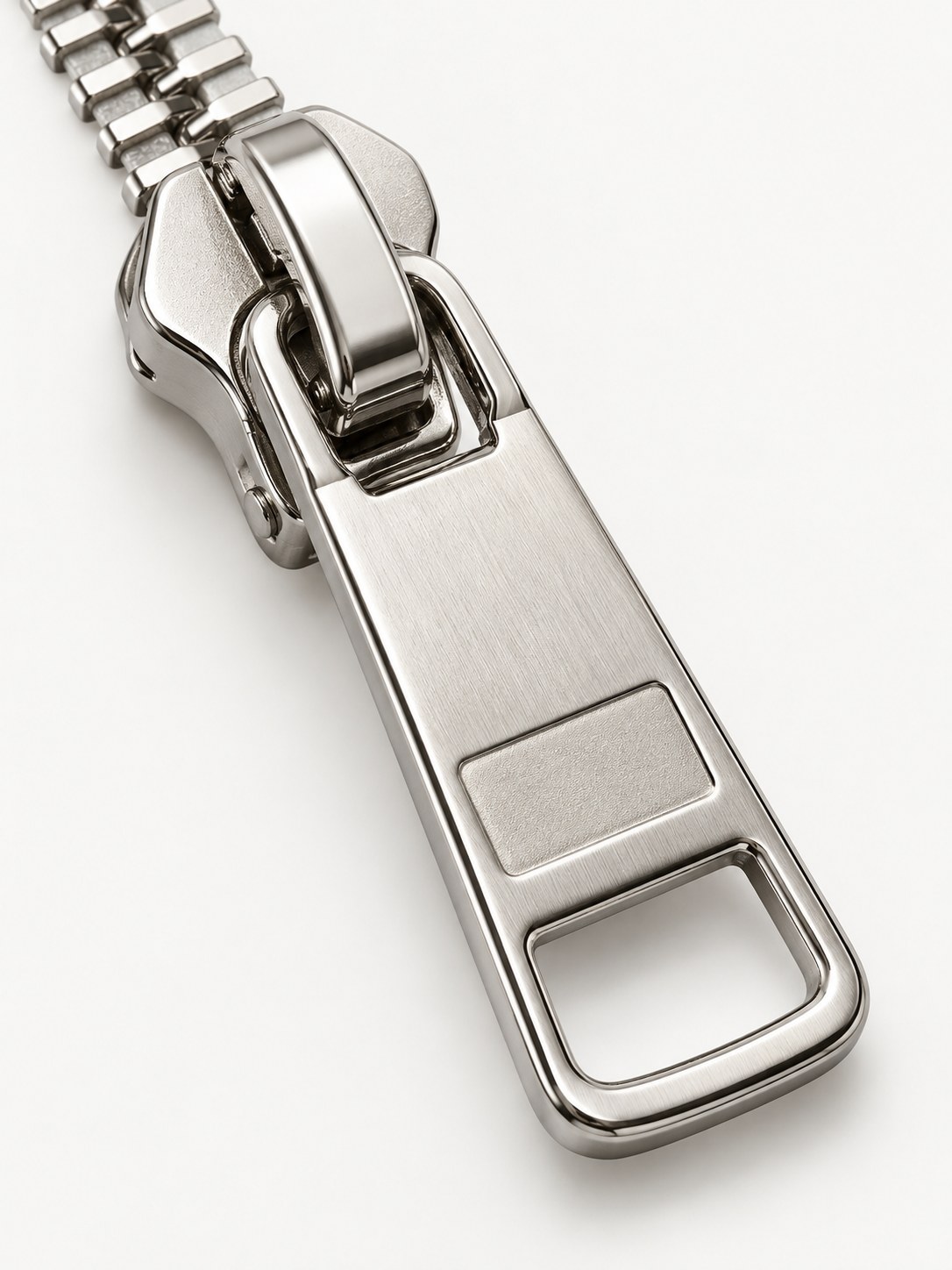
A lifting logo, rough zipper or mismatched hangtag can make an otherwise strong garment feel unfinished. Boutique pricing puts every touchpoint under scrutiny, from the first unboxing to repeated washing.
PROCUREMENT INSIGHT
The component list belongs in the same specification as the garment. Name the zipper, tape, label, transfer and attachment method; approve their dimensions and colors; and record any change before production. Decoration must be suitable for the fabric and stretch level. Coordinating these approvals prevents a finishing substitution from becoming an unexpected difference in the delivered collection.
Coordinate Technical Trims, Durable Branding and Retail Packaging
Select YKK zippers where specified, silicone or heat-transfer branding, reflective details and woven labels to suit the design. Sportxia coordinates their approval with the garment and its retail packaging, including the required care and wash checks. See packaging options → · Explore private label components →
- Approve the branding method and evaluate durability on the finished fabric.
- Track the agreed zipper, technical trims and component references.
- Match labels, hangtags and packaging against one approved color and artwork set.
THE MATERIAL BOARD
Premium Fabric & Finish Library
Choose the fabric by its hand, weight and intended use. These four material families can be developed in boutique quantities, with construction and finishing requirements recorded alongside the selected swatch.
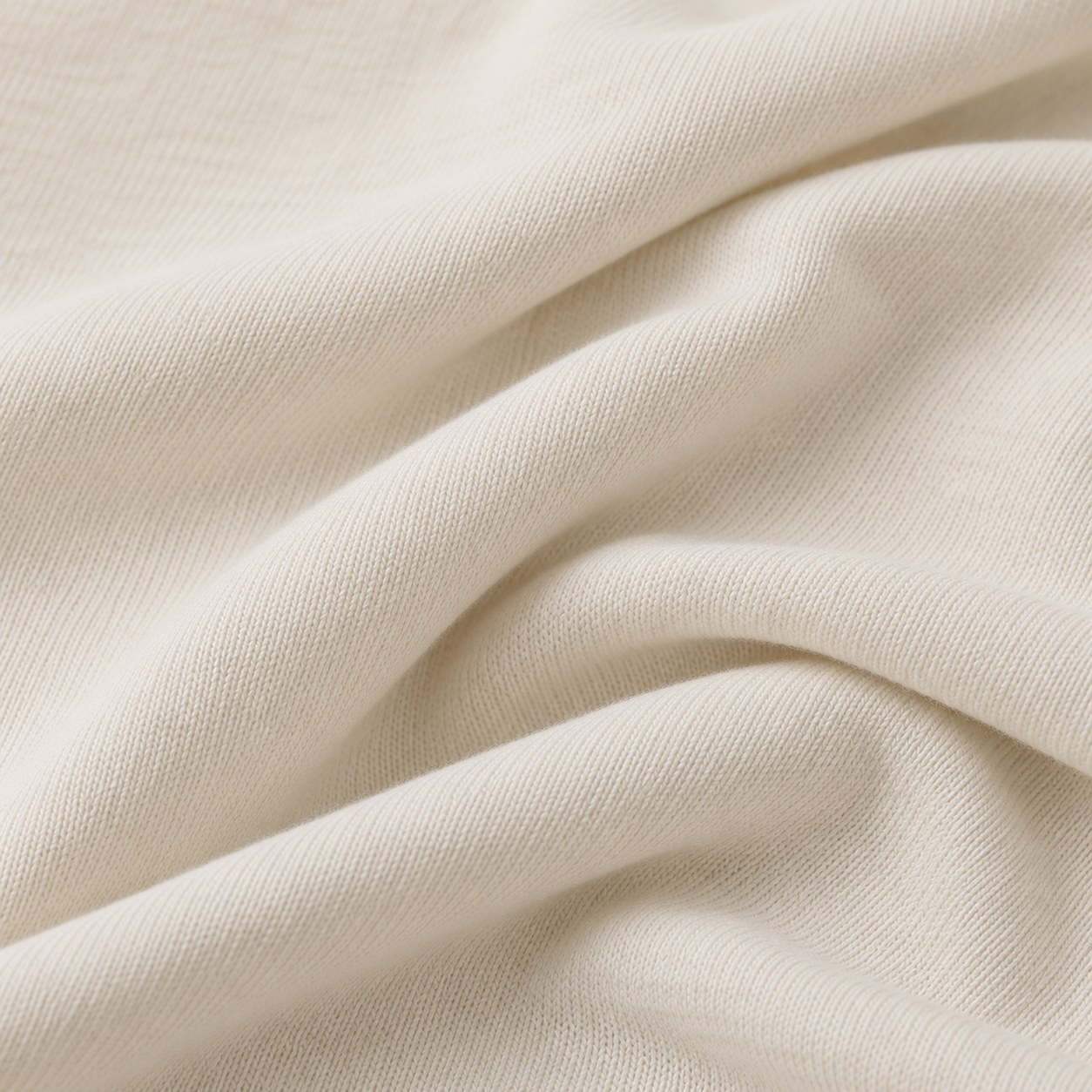
Combed Cotton
180–220 GSMSupima or organic combed cotton, with 60s–120s yarn options. Compare the hand, opacity and shrinkage for premium training tees and warm-up pieces.
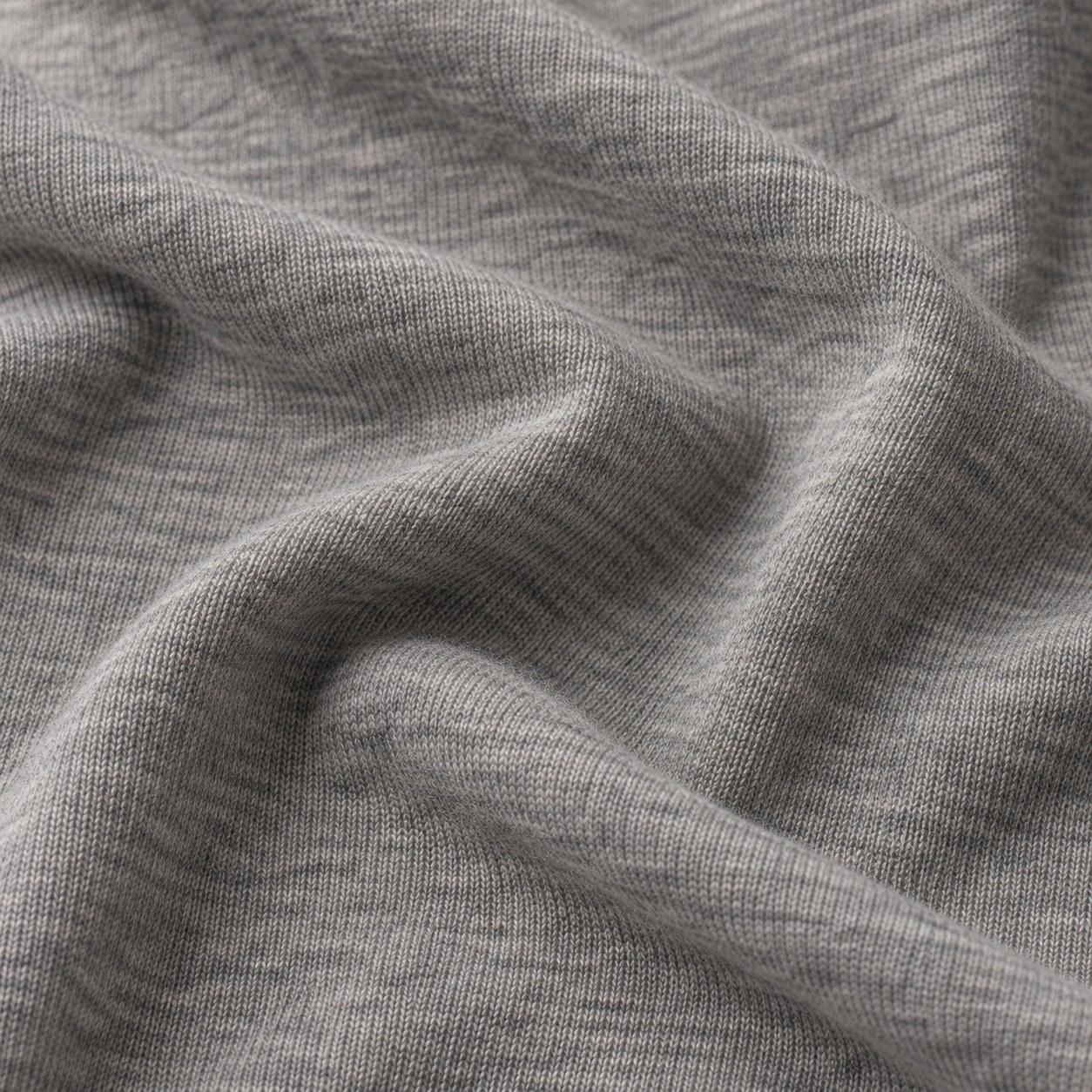
Merino Wool
200–260 GSMFine 17.5–19.5-micron options for temperature-regulating base layers. Review the knit, care requirements and next-to-skin feel.
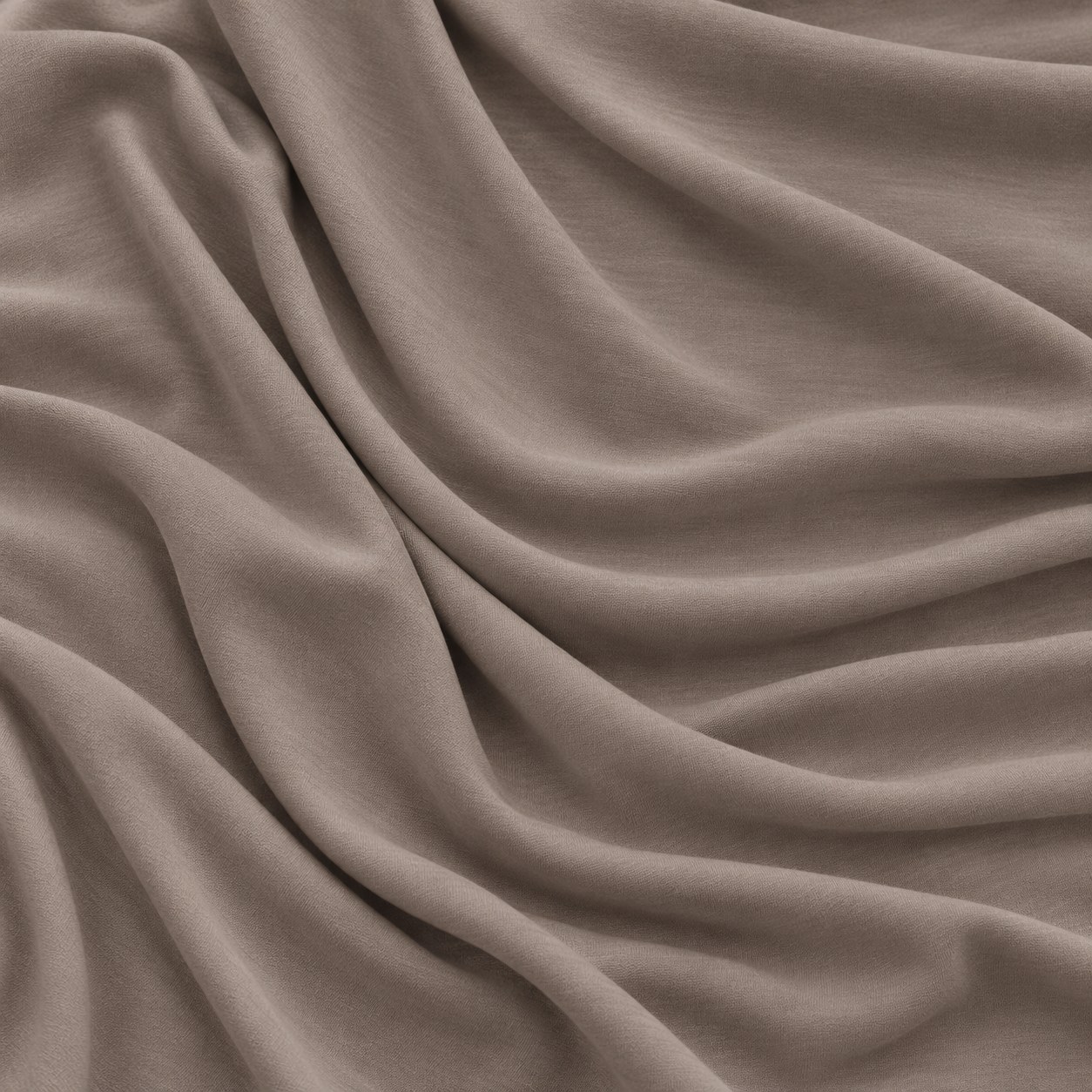
Modal / Tencel Blend
150–180 GSMSmooth, fluid jersey for recovery wear and relaxed layers. Confirm the blend, drape and recovery on a physical swatch.
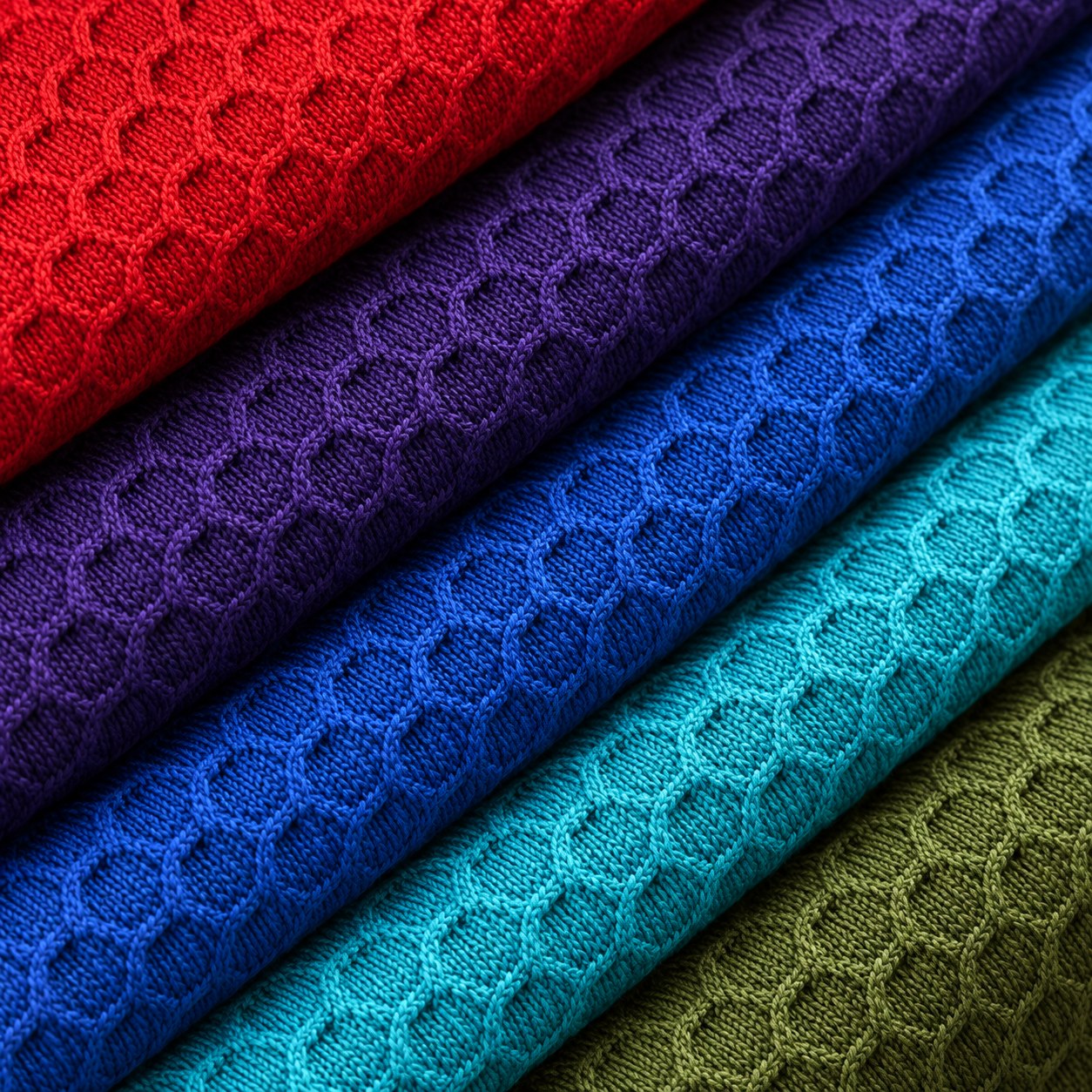
Performance Knit
220–280 GSMStretch knits for active movement, with moisture-management and recovery requirements matched to the design and intended activity.
DOCUMENTED FINISHING STANDARDS
SPI 12–14
Document main-seam stitches per inch, with the stitch type and thread in the technical specification.
Seam Finish
Specify flatlock, felled or overlocked construction by seam and confirm it on the sample.
±0.5 cm
Use the agreed tolerance on key garment measurements and compare the inspection results with the approved chart.
Wash Test
Review shrinkage, pilling, color and decoration durability before the pre-production sample is signed off.
Confirm the fabric lot, seam construction, measurement tolerances and care results together before approving production.
WHY INFRASTRUCTURE MATTERS
The Manufacturing Floor Behind Your Boutique Collection
A small order still needs a complete production process. Sportxia connects sampling, material control, garment construction and finishing so the approved boutique product can be repeated consistently.
Begin with a focused first drop, from 100 units per style.
Physical development after the specifications and materials are confirmed.
Pattern development, cutting, sewing and finishing in one manufacturing workflow.
Capacity for boutique quantities and established repeat programs.
Reported orders shipped on or before the agreed dispatch date.
Reported quality results, with AQL 2.5 inspection against the approved specification.
INDEPENDENT CERTIFICATION & AUDIT RECORDS

ISO 9001
Review the quality-management system and applicable external audit records.

OEKO-TEX® Standard 100
Check the textile certificate and its scope for the selected material and product class.
See the Standard 100 criteria →
BSCI
Review the applicable social-compliance assessment, facility identity and working-condition records.
Review the relevant documents before placing an order. Explore Sportxia’s factory →
IS THIS YOUR BUYING MODEL?
Three Boutique Buying Models. Three Factory Priorities.
These independent market examples illustrate different sourcing needs: distinctive technical drops, carefully developed athletic fit and planned designer collections. Use the matching model to shape your supplier questions.
Satisfy Running
The buying model. A technical running label can make the material itself a reason to buy. SATISFY’s MothTech™ uses mapped perforation, demonstrating how a specific fabric construction becomes part of the product identity.
The factory requirement. A distinctive drop needs a supplier able to develop the specified fabric and construction at a practical order size, with its performance and repeatability checked before launch.
Year of Ours
The buying model. Women-led activewear such as Year of Ours brings close-fitting leggings, sports bras and lifestyle layers into a coordinated collection. The customer experiences the range through comfort, proportion and styling as well as performance.
The factory requirement. For this buying model, fit and recovery need to hold across silhouettes and sizes. The physical sample, measurement record and revision ownership become central procurement decisions.
OpéraSPORT
The buying model. Copenhagen-based OpéraSPORT combines contemporary wardrobe staples with a sourcing agenda that includes recycled or organic materials and manufacturer coordination for made-to-order requests.
The factory requirement. Planned boutique collections depend on material availability, manageable reorder quantities and color continuity. Confirm the retained references and replenishment dates alongside the opening order.
BEFORE YOU SHORTLIST
Ten Questions for a Small-Batch Sportswear Factory
Use the same written brief for every supplier. These questions connect the promise to a material, sample, document or order condition you can review before committing.
How is the minimum split between style, color and size?
Ask for a quantity breakdown for the actual range. A headline minimum is only useful when the proposed color and size mix is included in the quote.
Red flag: A different minimum appears after you describe the collection.
Where does sample development sit in the production schedule?
Confirm the development slot, material readiness and revision dates. Sampling should have a defined plan rather than depend on spare time on a bulk line.
Red flag: The sample date is described only as “when we have a gap.”
Will the sample use the material planned for production?
Request the fabric code, supplier reference and any agreed substitution. A change in weight, stretch or finish can change the fit even when the pattern is unchanged.
Red flag: The supplier cannot identify the sampled material or its replacement.
Which test results support the fabric performance?
Identify the required properties, test methods and matching material report. Compare measurable recovery, moisture-management or UV performance rather than relying on a product description.
Red flag: Only a sales sheet is offered, with no applicable test record.
What changes between the 100-unit and 1,000-unit price?
Request volume tiers with the same composition, decoration and packing brief. Agree how a reorder will be quoted and what can change with the material cost.
Red flag: The quote has no component assumptions or repeat-order basis.
What material minimum applies to each premium fiber?
Ask about stock colors, available yardage and custom-dye minimums for Supima, merino, modal or lyocell. Link these choices to your first-drop quantity before sampling.
Red flag: The fabric can only be purchased in a quantity far above your collection.
Who retains the tech pack and approved measurement record?
Confirm access to the pattern version, graded chart, artwork and sample comments. A repeat order should start from the signed specification rather than reconstructed messages.
Red flag: The approved records cannot be provided to the brand.
How are color references retained for the next season?
Ask for the physical fabric cutting, color reference and decoration files. Confirm how the next lot will be compared and who approves a difference before cutting.
Red flag: Matching depends on photos, with no retained reference.
How are first-order and repeat-order payment terms defined?
Review the deposit, balance milestones and any later credit arrangements in writing. Connect payment stages with the approvals and inspection documents you will receive.
Red flag: Payment obligations are clear but the corresponding delivery and approval milestones are missing.
Which inspection plan applies, and when will I see the report?
Agree the AQL sampling plan, defect categories and measurement checks for the order. Establish the report and photo review before dispatch, with independent inspection where required.
Red flag: The answer is simply “final checks,” with no criteria or report.
Send your fabric and design brief. Sportxia will address the ten decisions with the proposed materials, development schedule and pricing for your order quantity.
STRAIGHT ANSWERS
Small-Batch Sportswear Sourcing Questions
Practical answers on order quantities, premium fabric sourcing, sample consistency and the finishing standard your collection needs.
What is the starting quantity for a boutique collection?
Sportxia starts at 100 units per style. Share the planned colors and size breakdown so the quote can confirm the fabric minimum, garment quantity and volume tiers together. A focused opening range lets you assess demand before planning the next order.
Can you source Supima, merino and modal in small quantities?
Yes. Sportxia supports boutique-quantity sourcing of Supima cotton, merino wool and Modal/Tencel options. Review swatches first, then confirm the selected color, available yardage and any custom material minimum before sample development. The approved fabric reference stays with the project record.
How do you keep the bulk fabric consistent with the sample?
Compare the incoming production lot with the approved material for color, weight, hand and the required performance properties before cutting. Record the lot and retain the reference. Any proposed material change should be reviewed with the brand before production proceeds.
Which finishing details are recorded in the technical specification?
The order specification covers main-seam SPI, seam construction, trim references and key measurements. Sportxia supports 12–14 SPI and an agreed ±0.5 cm tolerance on key measurements, with the appropriate stitch and tolerance confirmed for each style. Wash and decoration checks form part of sample approval.
Can technical construction be produced from 100 units?
Yes. Flatlock seams, bonded hems and silicone grippers can be developed at boutique quantities, subject to the selected material and style specification. Confirm the construction on the pre-production sample, then inspect the order against the same approved standard using the agreed AQL 2.5 plan.
What happens if the order differs from the approved sample?
QC photos and measurement records are reviewed against the signed sample before dispatch. Record the acceptance criteria and the remedy for a confirmed out-of-tolerance manufacturing issue in the production agreement, including the applicable remake, refund or credit arrangement. Sportxia’s reported aggregate defect rate is below 0.3%.
YOUR NEXT COLLECTION STARTS HERE
Send Your Fabric & Design Brief.
Get a Production Plan Within 24 Hours.
Receive fabric options, a documented construction and finishing brief, and unit pricing for your first boutique drop. Share the designs, intended use, quantities and launch date so Sportxia can build the proposal around your collection.