LOW MOQ SPORTSWEAR MANUFACTURING · EMERGING BRANDS
Low MOQ Sportswear Manufacturing.
From First Sample to Your Brand Launch.
Launch your first collection with low MOQ sportswear manufacturing from Sportxia. Start with 100 pieces per style and coordinate fabric sourcing, pattern development, 7–15 day sampling and bulk production. Approve fit and branding before production, then plan packaging and international delivery. For label formats and brand trims, see our private label branding services.
BEFORE YOUR FIRST ORDER
Eight Sourcing Challenges Emerging Brands Face
High MOQs, delayed samples and uncertain costs should not stand between your sportswear idea and its first customers.
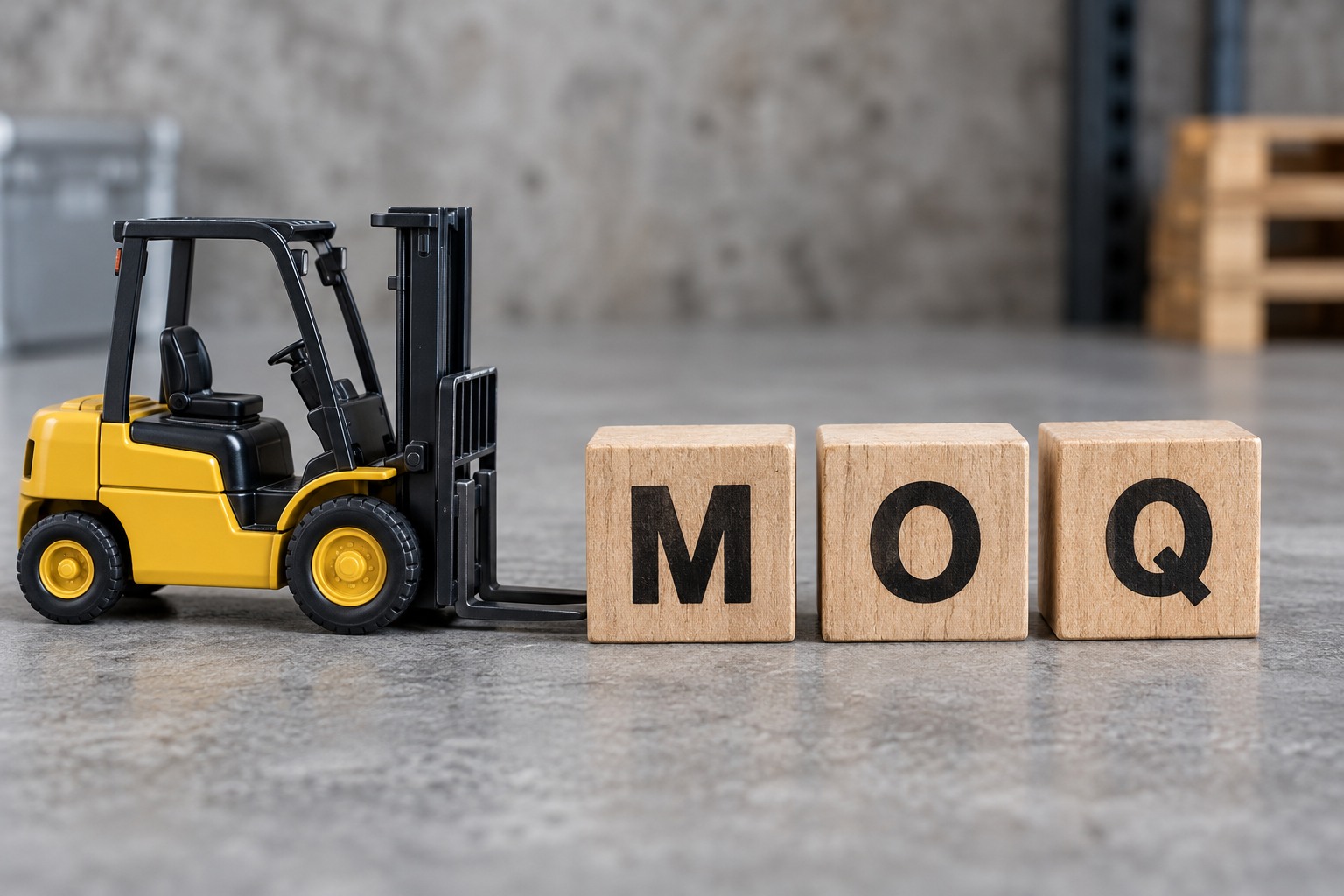
Minimum Orders Beyond Your Budget
A 3,000–5,000-piece minimum per style can absorb your launch capital before demand is proven. Without an established sales channel, that stock becomes a financial burden.
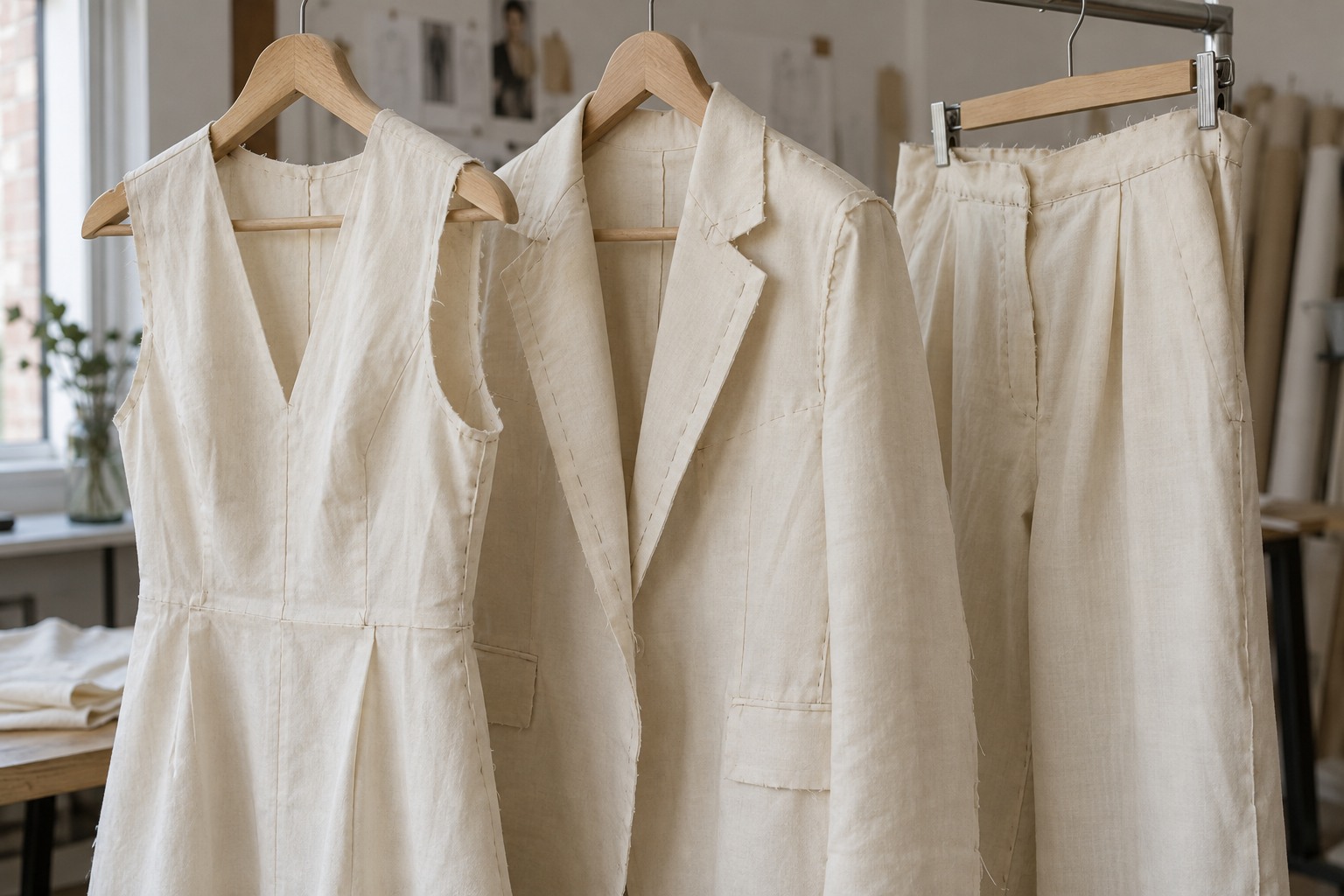
Slow Samples, Missed Launches
A five-week wait is costly when the sample arrives with the wrong fabric or uneven stitching. Another month of revisions can put product photography and your launch date out of reach.
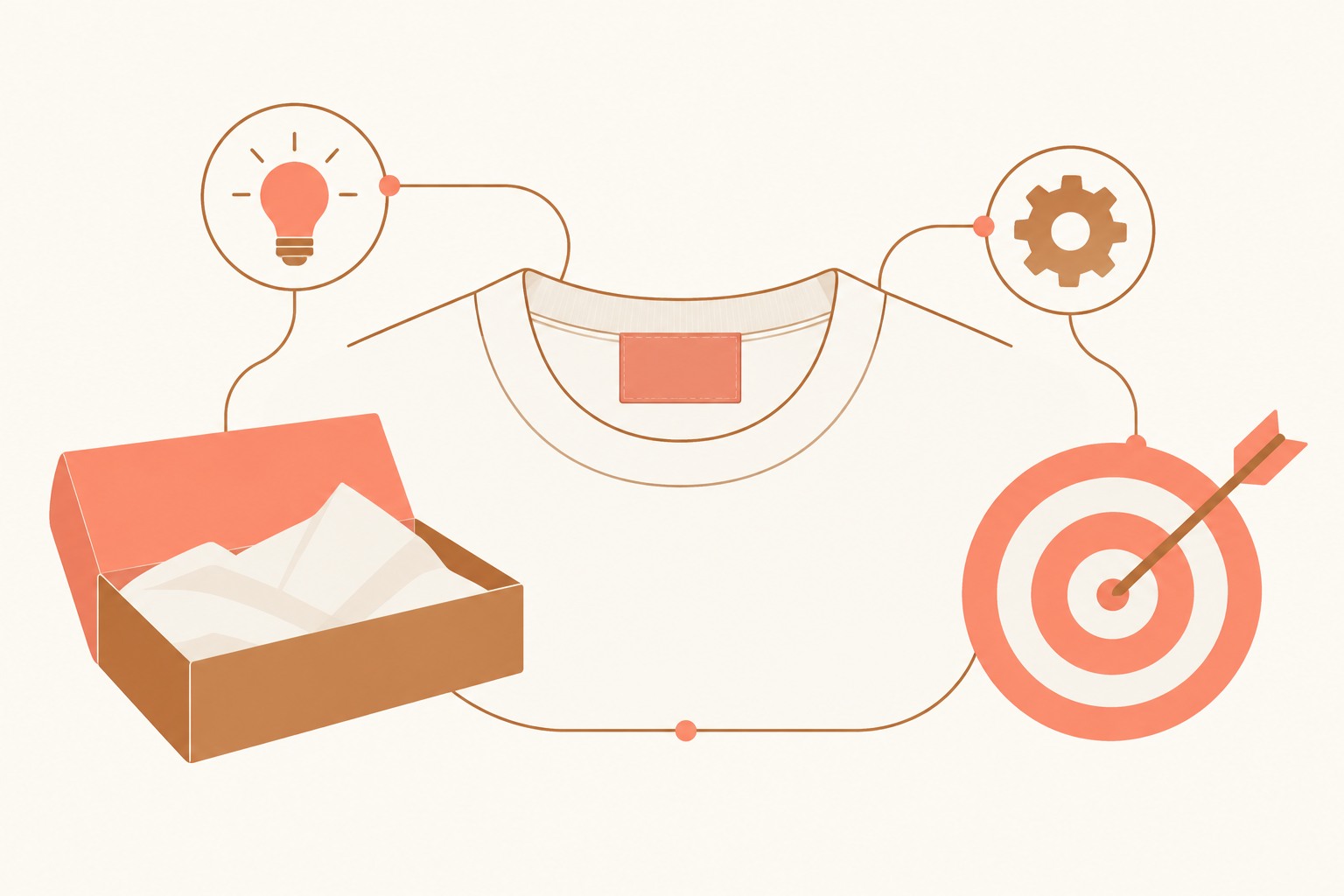
A Product Without Your Identity
Blank garments and generic poly bags leave customers with nothing to remember. Missing neck labels, hang tags and coordinated packaging weaken the brand you are working to build.
Quality That Changes Between Orders
The first delivery meets expectations; the next brings size differences, loose threads or shade variation. Repeat sales depend on every batch matching the standard customers already know.
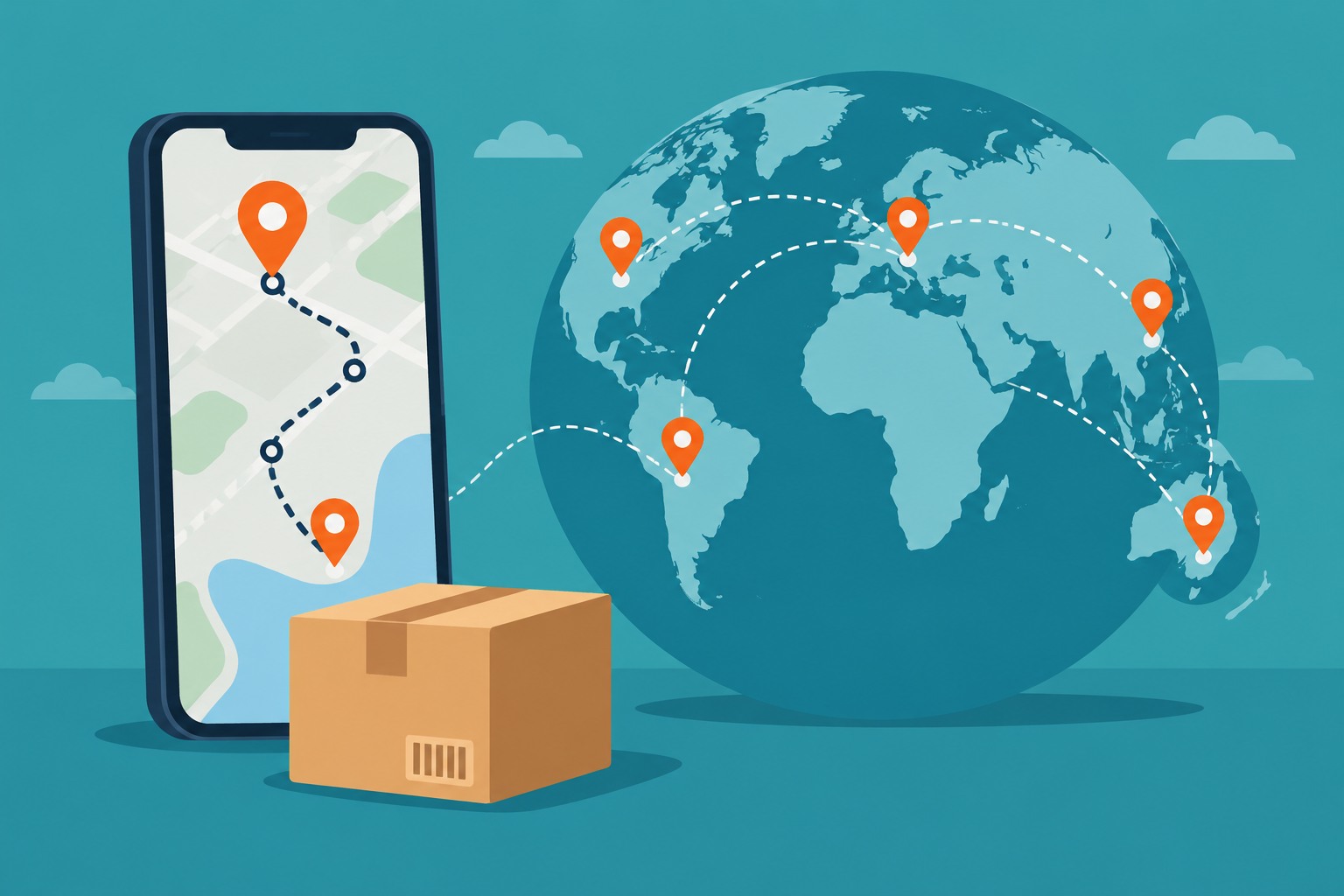
Shipping Without Clear Visibility
Payment is complete, but tracking barely moves. Without clear responsibility for customs, duties and delivery, it is difficult to tell customers when their products will arrive.
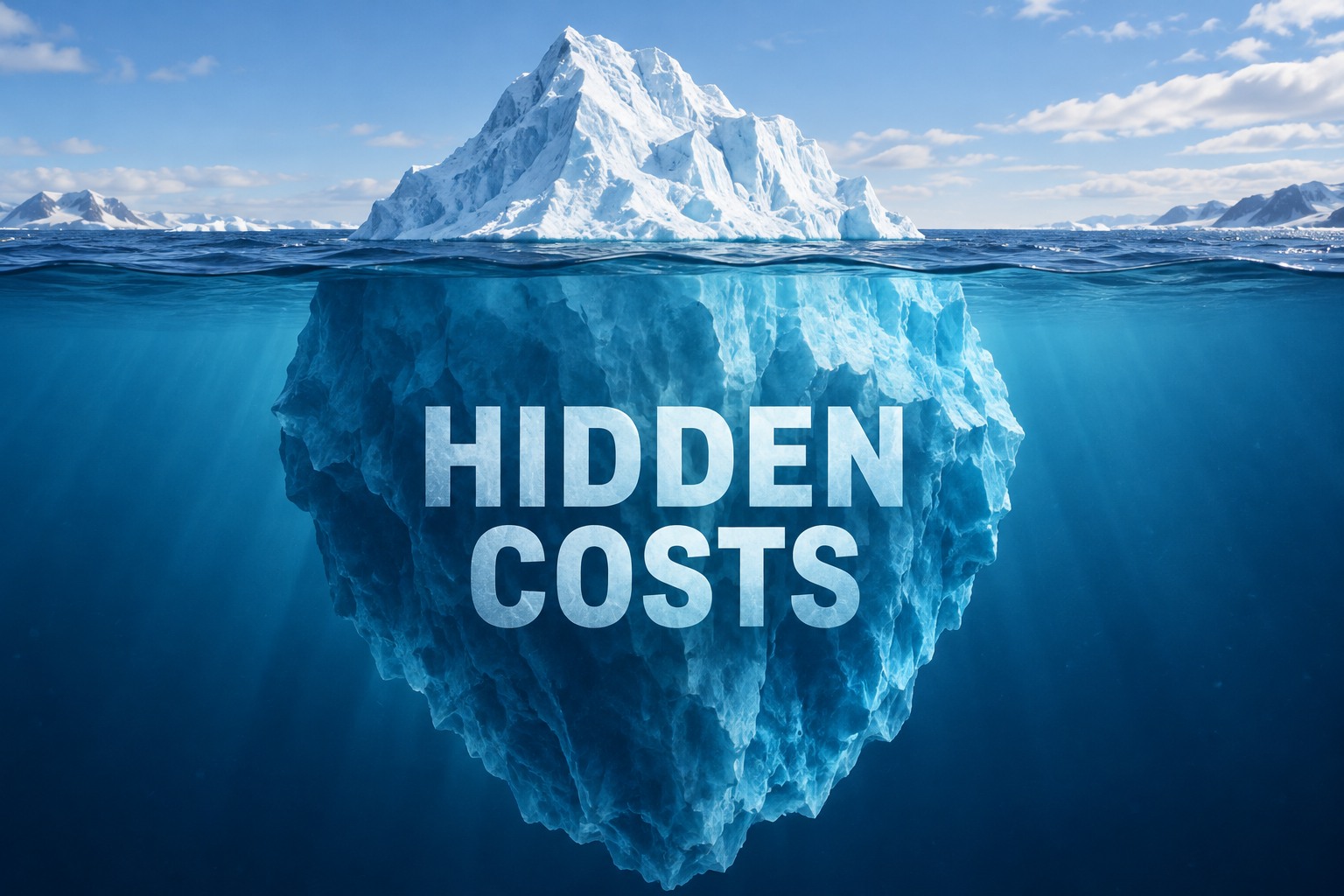
A Low Quote, a Higher Final Bill
Freight, import duties, labels, packaging and extra handling can turn an attractive unit price into an expensive order. Those charges need to be visible before you commit.
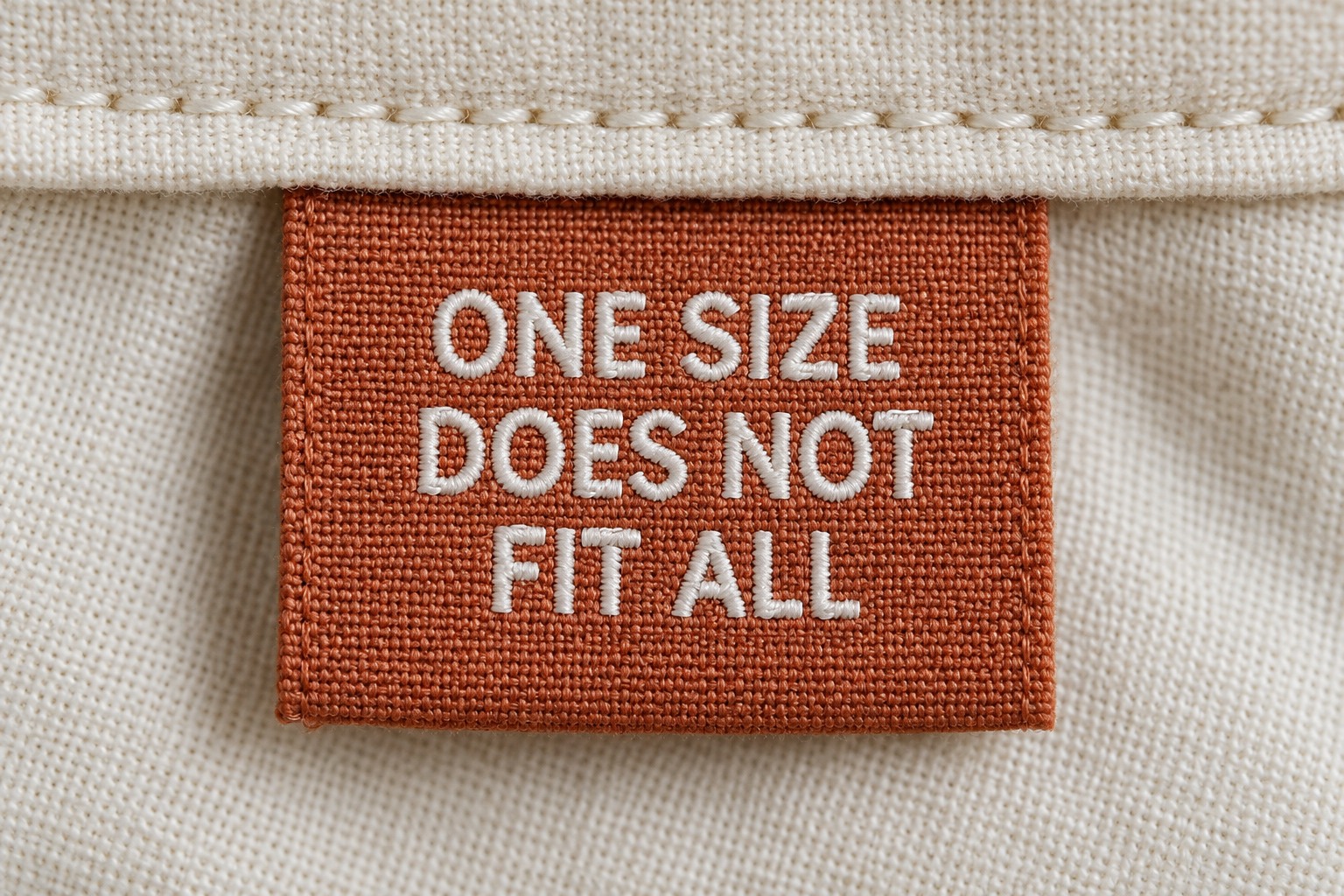
A Big-Order Process for a Small Brand
A startup order should not move through the same inflexible queue as a 50,000-unit program. Smaller collections need responsive sampling, flexible scheduling and room to adjust.

Unanswered Questions, Lost Confidence
Days without a reply and a blurry production photo cannot replace a useful update. Clear English communication, named responsibility and documented decisions keep your project moving.
SPORTSWEAR MANUFACTURING SOLUTIONS
Five Solutions for Your Private Label Sportswear Brand
Start smaller, sample faster and bring garment production, branding, quality control and delivery into one coordinated order.
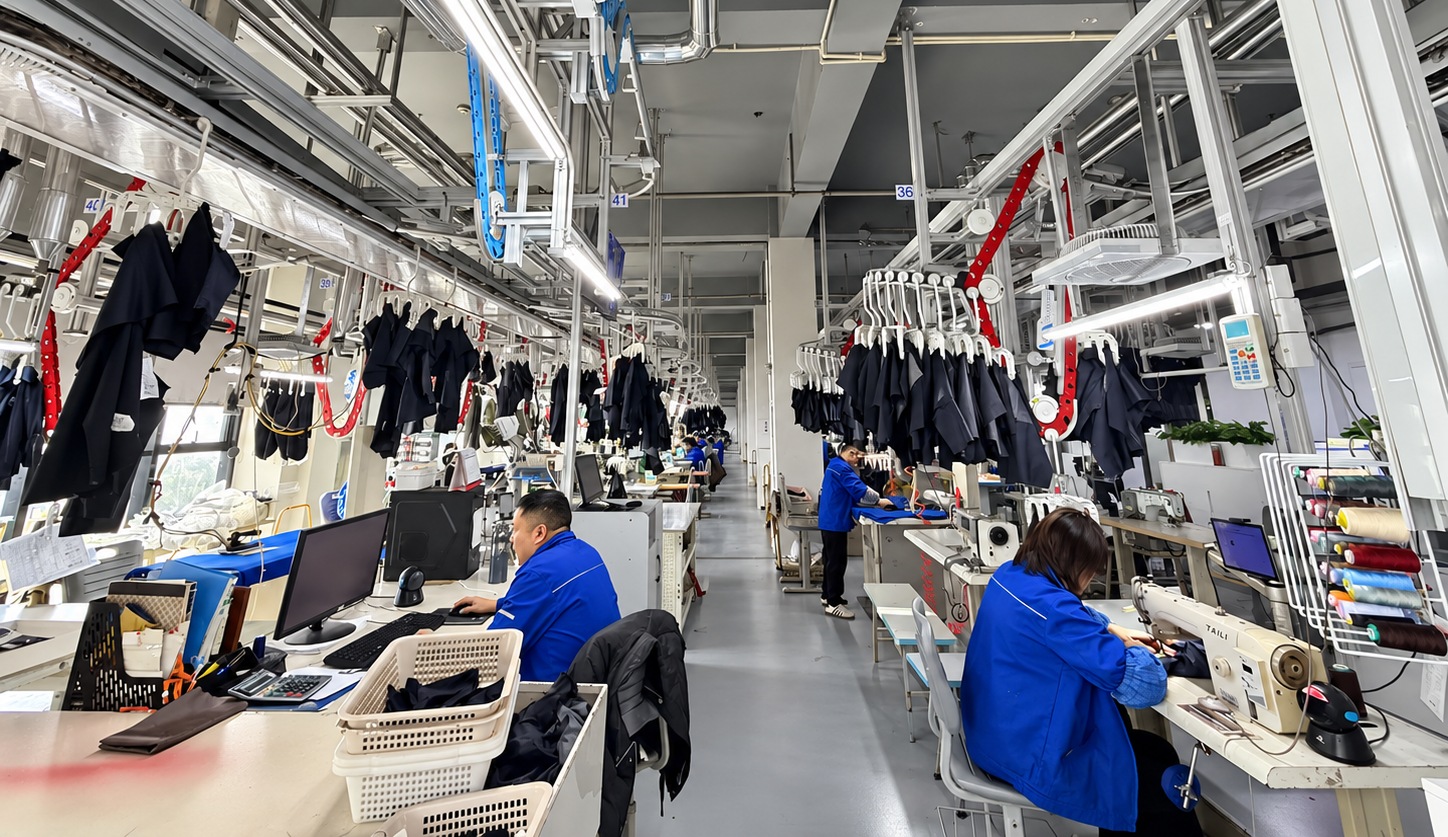
SOLUTION #1
Pattern development, fabric sourcing and machine setup create fixed costs. Large factories spread those costs across long runs; emerging brands need a production approach built around smaller batches. Performance fabrics add another layer: stretch materials require suitable cutting, handling and seam construction.
Source: Sportxia — internal production data
Launch at 100 Pieces per Style, Then Grow with Demand
Start with 100 pieces per style and validate demand before committing to a large stock position. Compare three to five designs instead of investing the entire launch budget in one. Agree fabric availability, the size and color mix, and quantity-based pricing before sampling. Keeping the pattern, approved sample and material references together gives successful products a clear path into larger repeat orders.
- Start at 100 pieces per style, with the material and color breakdown confirmed in your quote.
- Test 3–5 styles and use sell-through by size to guide replenishment.
- Plan small batches around shared material sourcing and appropriate sewing capacity.
- Compare transparent quantity tiers as your collection moves from trial orders to scale.
SOLUTION #2
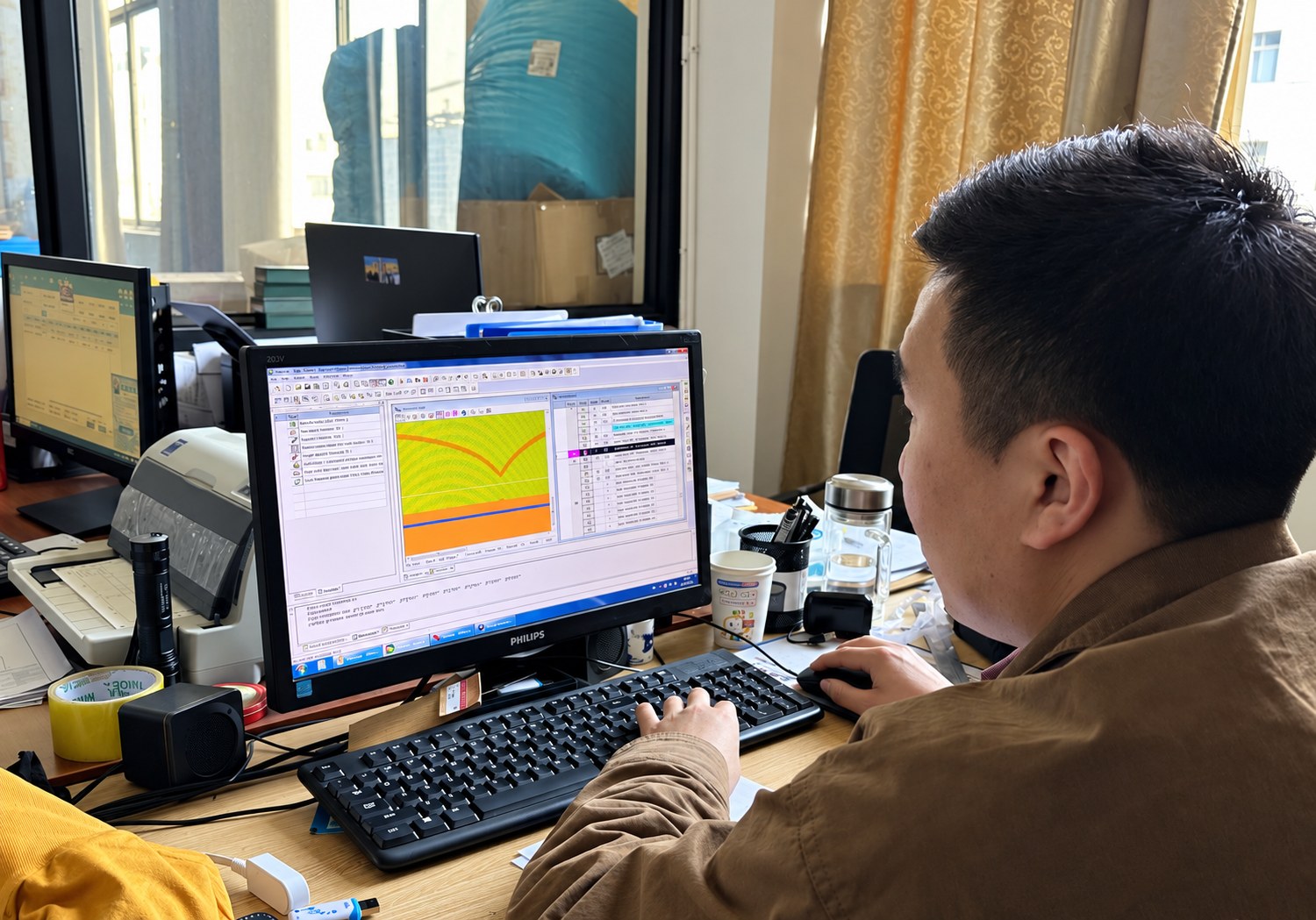
Sampling needs its own schedule and a complete technical brief. When prototypes wait behind bulk production, even a simple fit correction can lose its place in the queue. Digital measurements and artwork reduce avoidable errors, but stretch, recovery, coverage and seam comfort still need a physical garment review.
Fast Sportswear Samples in 7–15 Days
Receive your sample in 7–15 days after the design specifications and materials are confirmed. Establish measurements, fabric, color and branding before cutting begins. Review the finished prototype on the body and on the table, collect corrections in one revision file, and keep the approved version as the production reference. Where you need alternatives, include the fabric and color options in the same sampling brief.
- A defined 7–15-day sampling window after confirmed inputs.
- A digital tech pack that locks measurements, construction and artwork before cutting.
- One consolidated revision record for fit, seams, stretch and logo placement.
- Fabric and colorway comparisons planned together to support a quicker decision.
SOLUTION #3
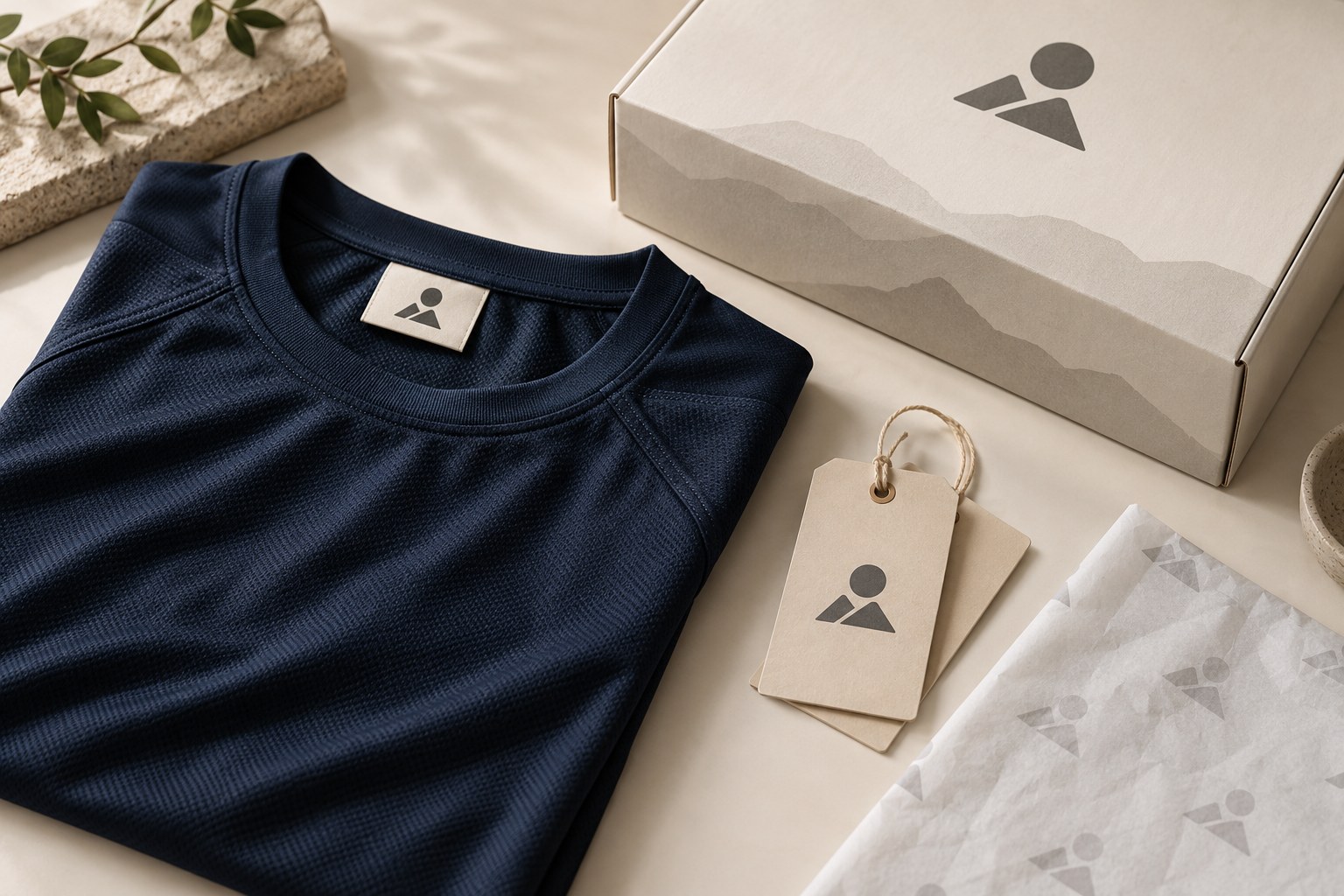
Ordering labels, tags and packaging from separate suppliers creates more handovers. Colors can drift between materials, one delayed component can hold up dispatch, and responsibility becomes unclear. A coordinated artwork set and component schedule help the garment and its branding arrive as one finished product.
Your Brand Identity: Labels, Tags and Packaging Together
Develop the full brand system alongside your sportswear collection: woven or satin labels, heat transfers, hang tags, size and care information, garment bags, tissue and retail boxes. Approve dimensions, artwork, colors and placement before production. If you do not have finished design files, include artwork preparation in the brief and quotation so every component follows the same visual direction.
- Woven labels, satin labels, printed tags and heat-transfer branding coordinated with the garment.
- Custom poly bags, tissue paper and retail boxes with matched artwork and color references.
- Size, care and market-specific information reviewed as part of the component list.
- Artwork preparation and sample approvals defined before production begins.
SOLUTION #4
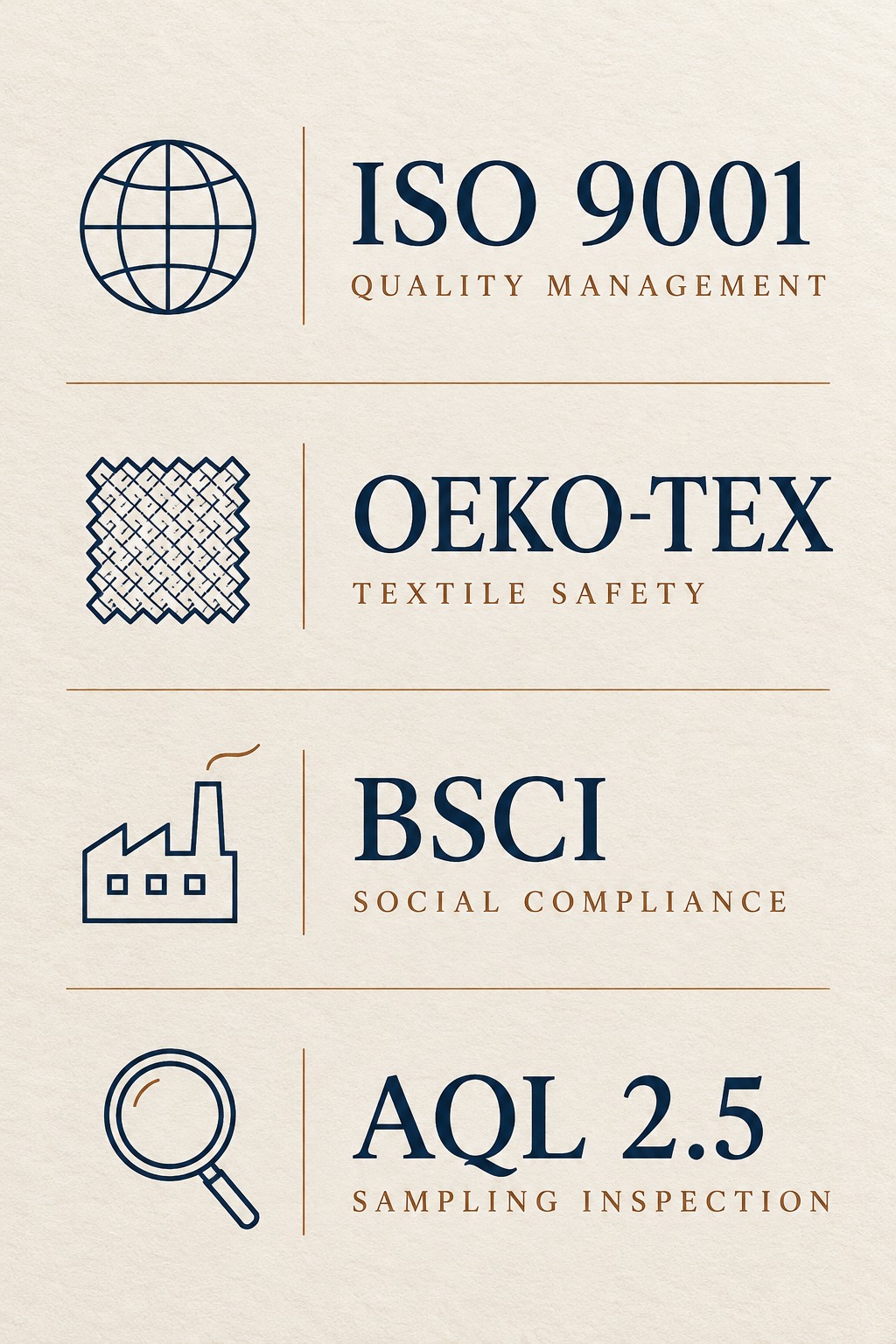
Repeatable quality depends on documented checks, sampling and corrective action. ISO 9001 concerns quality-management systems; OEKO-TEX addresses textile safety within the scope of the relevant standard; BSCI concerns social-compliance assessment. Verify the applicable records and their scope separately from the inspection result for your garments.
Source: Sportxia — internal QC records
Quality Control Built Around Clear Standards and AQL 2.5
Set the inspection criteria against your approved sample and measurement specification before production. Agree the AQL 2.5 sampling plan where required, classify defects and record the corrective actions. Review measurements, construction, shade, decoration and packaging together. Inspection photographs and written findings provide a concrete basis for deciding whether the order is ready for dispatch.
- An agreed sampling plan and acceptance criteria for the finished order.
- Measurements and tolerances checked against your approved size specification.
- Seams, printing, embroidery, shade and label placement included in the inspection record.
- Relevant certification or assessment documents checked for validity and product or facility scope.
AQL 2.5: What Is Checked?
Review garment measurements, seam construction, fabric shade, decoration, labels and packing against the approved specification. Record the sample size and the acceptance limits for critical, major and minor defects. AQL 2.5 is a sampling-plan parameter, not a guarantee that 2.5% of a shipment may be defective.
SOLUTION #5
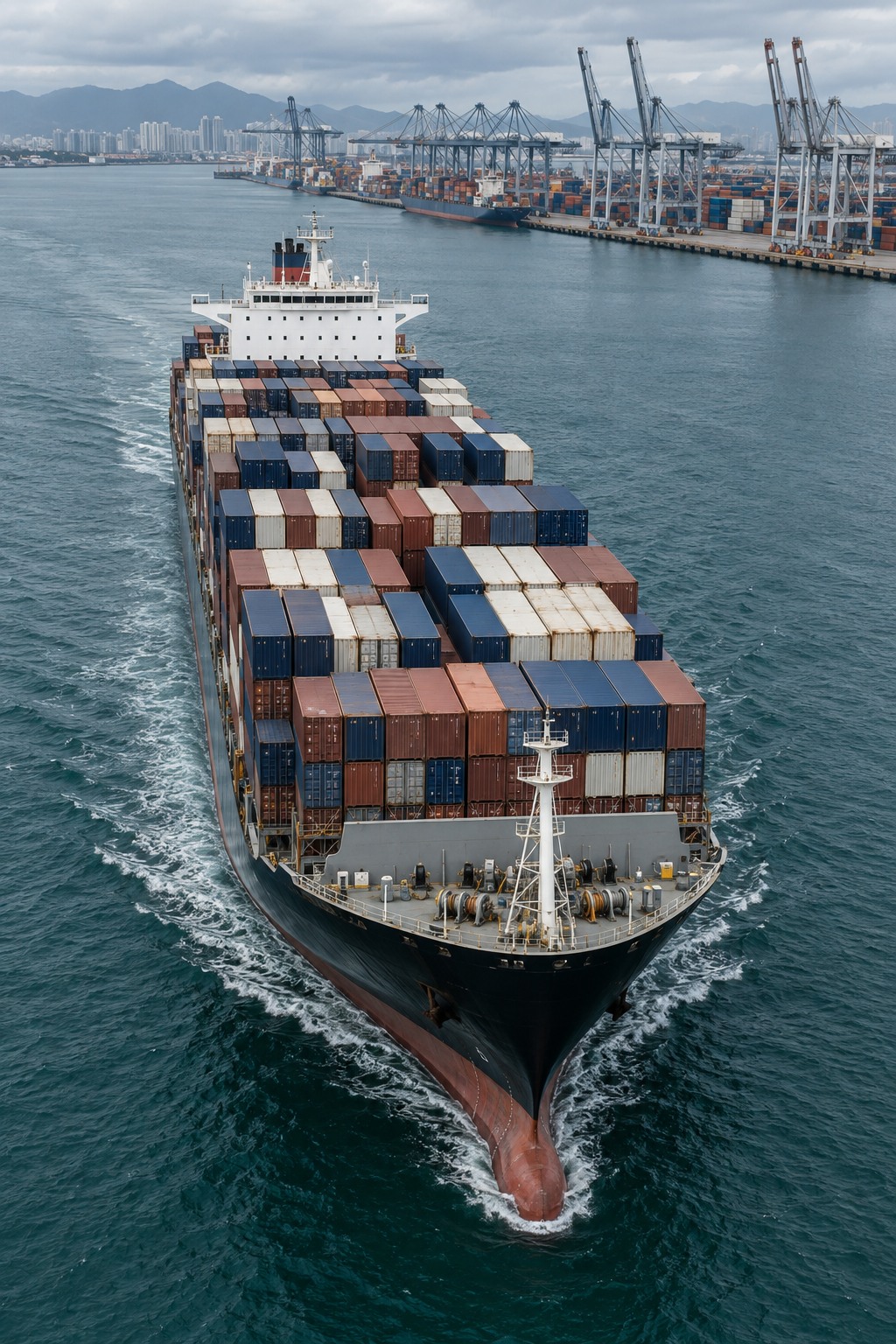
Compare delivery terms before comparing prices. Under EXW, the buyer takes on extensive transport and customs arrangements; DDP places delivery and import-duty responsibilities on the seller under the agreed terms. The quote should identify the named destination, included charges and any exclusions so the total cost is understood before booking.
Global Fulfillment with Clear Costs and Brand-Ready Delivery
Choose a delivery plan that matches your destination and sales channel. Request an itemized landed-cost quotation for the available DDP route, or coordinate the handover with your own forwarder. For direct-to-customer shipments, specify your brand presentation and supplier-neutral packaging. Amazon FBA orders need the agreed unit labels, carton labels and receiving instructions before dispatch.
- Freight, duties, taxes and delivery charges clearly identified in the agreed quotation.
- Your brand packaging and supplier-neutral presentation specified in the packing brief.
- Amazon FBA preparation and fulfillment-center receiving requirements coordinated before shipment.
- Tracking and shipping documents linked to the final packing list.
CLIENT RESULTS
Three Markets. Three Launches. A Shared Path to Growth.
Different products and audiences, with a common approach: validate demand through a smaller opening order, then expand the collection around proven sales.
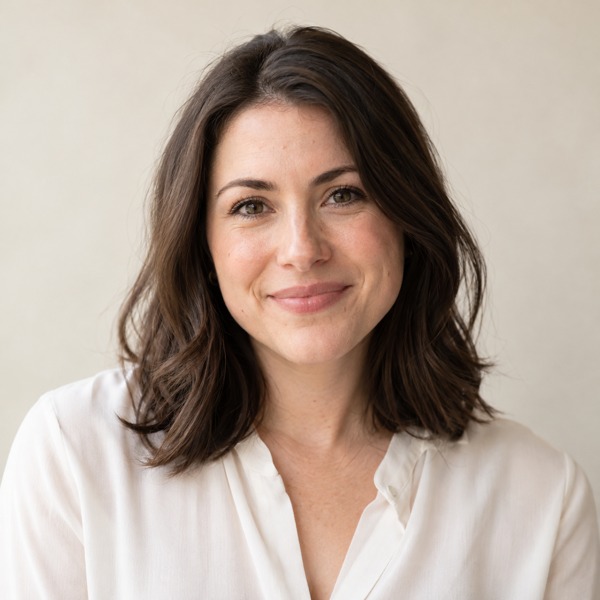
USA · DTC ACTIVEWEAR
A 200-Piece Test Grows into Monthly Reorders
A US activewear founder began with 200 leggings before increasing orders to 5,000 units per month over eight months. The result combines low-volume demand validation with consistent repeat production and a range that developed into four collections per year.
Source: Sportxia — client case · US brand
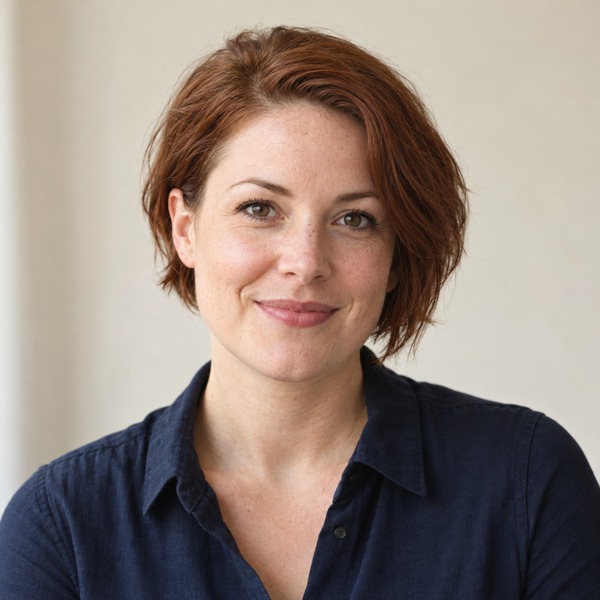
UK · CREATOR-LED LABEL
From an Idea to a Branded First Drop
A UK creator started without finished design files. The project included a sample in 14 days, coordinated labels and packaging, and an initial drop with 83% sell-through. The brand subsequently served customers across 12 countries.
Source: Sportxia — client case · UK brand
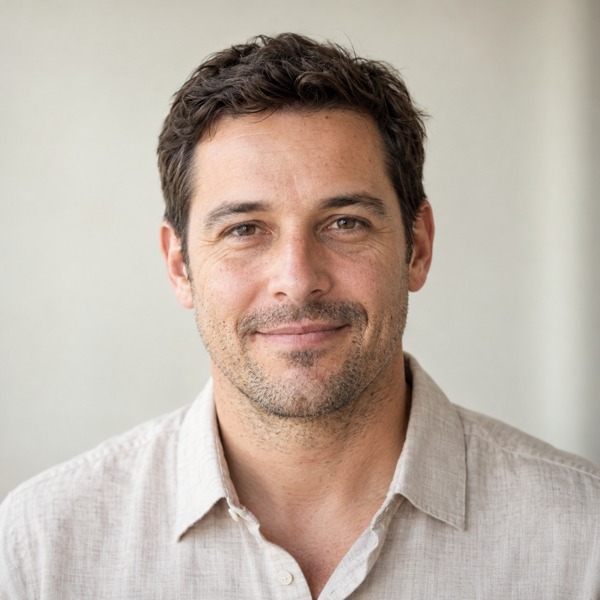
AUSTRALIA · PRIVATE LABEL RETAIL
A Three-Style Range Expands to Twelve
An Australian retailer expanded from three products to twelve over 18 months. The five deliveries arrived on time, with no quality-related returns recorded for 2025. Approved fit and material references supported continuity as the range grew.
Source: Sportxia — client case · Australian brand
MANUFACTURING INFRASTRUCTURE
The Infrastructure Behind a Sportswear Brand Launch
A launch needs more than a finished garment: pattern development, sample capacity, production scheduling, inspection and international delivery must work together. Explore the production capabilities supporting Sportxia collections below.
100
PIECES PER STYLE
A smaller starting quantity reduces the inventory commitment before a style has proven demand.
7–15
DAYS TO SAMPLE
A defined sample window keeps fit, fabric and branding decisions connected to your launch plan.
200+
BRANDS LAUNCHED¹
Startup manufacturing experience brings practical answers to sourcing, sample and first-order decisions.
40+
DESTINATION COUNTRIES¹
Cross-border fulfillment connects garment production with freight, customs and destination requirements.
12
PRODUCTION LINES¹
Production capacity and scheduling determine how small batches can progress alongside larger orders.
94%
FIRST-ORDER PASS RATE¹
This AQL 2.5 inspection result covers first orders of up to 500 units.
¹ Source: Sportxia internal operating and inspection records. Brand figures cover first orders from January 2022 to June 2026. Customer retention means at least one repeat order within 12 months.
QUESTIONS BEFORE YOU START
Emerging Brand Manufacturing FAQ
Practical answers for planning your first private label collection.
Is this solution suitable for my first sportswear collection?
Yes. Start with your intended customer, product references, budget and size range. We can work through the fabric, fit, branding and packing decisions with you, then record the agreed specification for sampling.
How is this different from the Private Label service?
The Private Label service focuses on garment labels and brand components. This solution connects those choices with your first collection: garment development, sample approval, order quantities, inspection and delivery planning.
What if I do not have a tech pack?
Send clear reference images, a reference garment if available, your logo and the changes you want. Add any measurements or fabric preferences you already know. The next step is to turn those inputs into a written development brief before sampling.
What is the starting quantity?
Start the discussion at 100 pieces per style. Include the requested colors and size breakdown so fabric, decoration and component requirements can be reviewed together in the quotation.
How long does a sample take?
Physical sampling takes 7–15 days after the design specifications and materials are confirmed. Send the fit comments, artwork corrections and finishing feedback together so the next sample version has one clear revision brief.
How do I keep my designs and files confidential?
Discuss an NDA before sharing confidential artwork or technical files. Record the permitted use of your designs and the handling of samples in the project agreement, and provide final approved files through the agreed project contact.
What happens if an inspection finds a problem?
Compare the finding with the approved sample and written specification. Record the issue, the affected quantity and the corrective action before dispatch. The order agreement should define how any reported issue after delivery is reviewed and resolved.
How are payment and freight arranged?
Your written quotation should state the deposit, balance milestone, currency and delivery terms before the order is confirmed. Review the packing and inspection requirements alongside these terms so the payment and shipping milestones are clear.
LET’S PLAN YOUR FIRST COLLECTION
Bring Your Brand Brief.
Build the Next Step with Sportxia.
Share your product references, quantities and preferred launch date. We will connect the garment, sample and branding decisions in a clear production discussion.